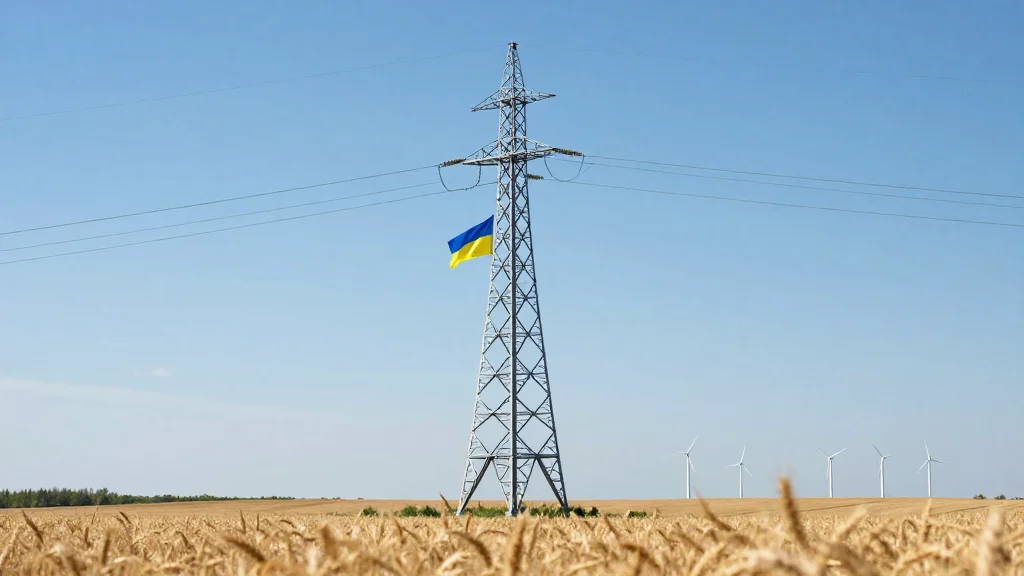
Ukraine’s Legacy Grid and Wartime Agility Could Help Answer Europe’s Energy Problem
Why It Matters
Integrating Ukraine’s grid offers Europe a rapid, resilient source of capacity amid soaring data‑center demand and chronic permitting delays, while reducing reliance on Russian energy influence.
Key Takeaways
- •Ukraine’s grid can add 5‑10% electricity to European market
- •New law links Ukraine’s spot market to ENTSO‑E by 2026
- •US‑Ukraine Defense Framework provides political‑risk cover for energy investors
- •Distributed micro‑generation makes Ukraine’s grid resilient to attacks
- •Europe faces 13‑year connection queues due to legacy grid limits
Pulse Analysis
Europe’s power infrastructure is straining under the surge of AI‑driven data centers, with connection backlogs stretching up to 13 years in major hubs. Legacy grids in cities like Frankfurt and Amsterdam were never designed for such concentrated loads, prompting policymakers to search for external capacity sources. Ukraine’s high‑capacity transmission network, originally built to export Soviet electricity westward, now presents a ready‑made conduit for supplemental power, especially as the country synchronises with the European Network of Transmission System Operators for Electricity (ENTSO‑E).
The legislative overhaul passed in spring 2026 creates a transparent, market‑based spot electricity platform that links Ukraine directly to the pan‑European market. Coupled with the Ukraine Facility’s financing and the 2025 US‑Ukraine Resource and Defense Framework, investors gain political‑risk insurance and access to a diversified technology mix—nuclear, wind, solar, gas‑biomass cogeneration, and peaker plants. This financial architecture accelerates the development pipeline, positioning Ukraine to deliver an estimated 5‑10% of Europe’s total electricity demand within the next two to three years, contingent on rapid project execution.
Beyond sheer capacity, Ukraine’s wartime shift to distributed micro‑generation has unintentionally crafted a grid that mirrors modern, resilient architectures. Small, dispersed units are harder to target and align with the decentralized logic of contemporary AI workloads. As Europe grapples with over‑stressed centralized hubs, Ukraine’s adaptable network offers an immediate relief valve and a strategic counterweight to Russian energy leverage, reshaping the continent’s long‑term energy security landscape.
Ukraine’s legacy grid and wartime agility could help answer Europe’s energy problem
Comments
Want to join the conversation?
Loading comments...