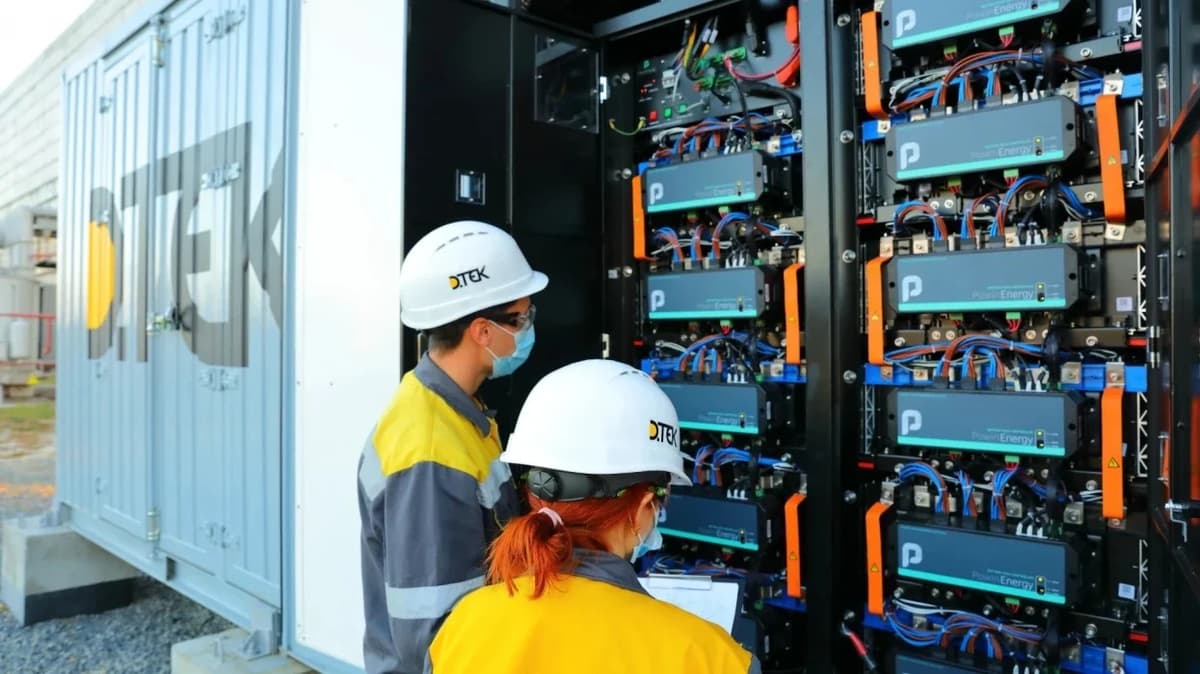
Ukraine’s Strategic Need for Energy Storage
•February 19, 2026
0
Why It Matters
Energy storage underpins Ukraine’s grid resilience during war and its long‑term energy independence, making the market attractive for global investors. The policy package reduces risk, accelerating renewable integration and aligning Ukraine with EU market structures.
Key Takeaways
- •Energy storage critical for Ukraine's wartime grid resilience
- •New incentives include tax exemptions, licensing relief, fast financing
- •Goal: 1.5 GW storage by 2030 supporting 13.6 GW renewables
- •Legislation allows BESS operation without licence for certain users
- •Post‑war plan: smart grids, micro‑grids, demand‑side participation
Pulse Analysis
Ukraine’s energy strategy has shifted from a conventional, centralized model to a decentralized, storage‑centric architecture. By granting tax exemptions on imported BESS equipment and allowing certain operators to run storage without a licence, the government is lowering entry barriers that have traditionally deterred foreign capital. Coupled with accelerated depreciation and five‑year ancillary service contracts, these measures create a financially viable environment for investors seeking stable returns in a high‑risk region.
The storage roadmap is ambitious: 1.5 GW of battery capacity by 2030 is earmarked to balance an anticipated 10 GW of solar and 3.6 GW of wind generation. This scale of deployment will provide fast frequency response, smooth intermittency, and meet ENTSO‑E balancing requirements. Long‑duration storage with four‑hour discharge cycles is prioritized to support evening peak demand, moving Ukraine away from short‑term reserve solutions toward utility‑scale assets that can operate independently of large thermal plants vulnerable to attack.
Beyond immediate wartime needs, the post‑conflict vision emphasizes smart grids and micro‑grids that empower households and businesses to become active market participants. Demand‑side management, coupled with real‑time metering, will enable prosumers to sell surplus stored energy, fostering a resilient, decentralized market aligned with EU regulations. As Ukraine deepens its market coupling with Europe, the strategic role of BESS as the "glue" of the power system will be central to both energy security and economic recovery.
Ukraine’s strategic need for energy storage
0
Comments
Want to join the conversation?
Loading comments...