UN Climate Chief: Fossil Fuel Crisis Accelerates Global Renewable Energy Boom
Why It Matters
The twin pressures of soaring fossil‑fuel costs and inflation are forcing governments to fast‑track decarbonisation, reshaping energy markets and creating growth opportunities for renewables. Closing financing gaps will determine whether this momentum translates into lasting climate progress.
Key Takeaways
- •Middle East war spikes fossil‑fuel prices, boosting renewable demand
- •Global solar output grew ~600 TWh in 2024, record increase
- •Clean‑energy investments now outpace fossil‑fuel spending worldwide
- •Developing nations need pledged climate finance delivered promptly
- •COP33 will assess progress and set tighter climate targets
Pulse Analysis
The recent escalation of the Middle East conflict has sent fossil‑fuel prices soaring, putting pressure on households, businesses, and sovereign budgets worldwide. Inflation‑driven cost spikes are eroding consumer confidence and slowing growth, prompting policymakers to view the energy crisis as a catalyst rather than a setback. In this environment, the United Nations climate secretariat is positioning the renewable boom as a strategic response, emphasizing that energy security and economic stability now hinge on rapid decarbonisation.
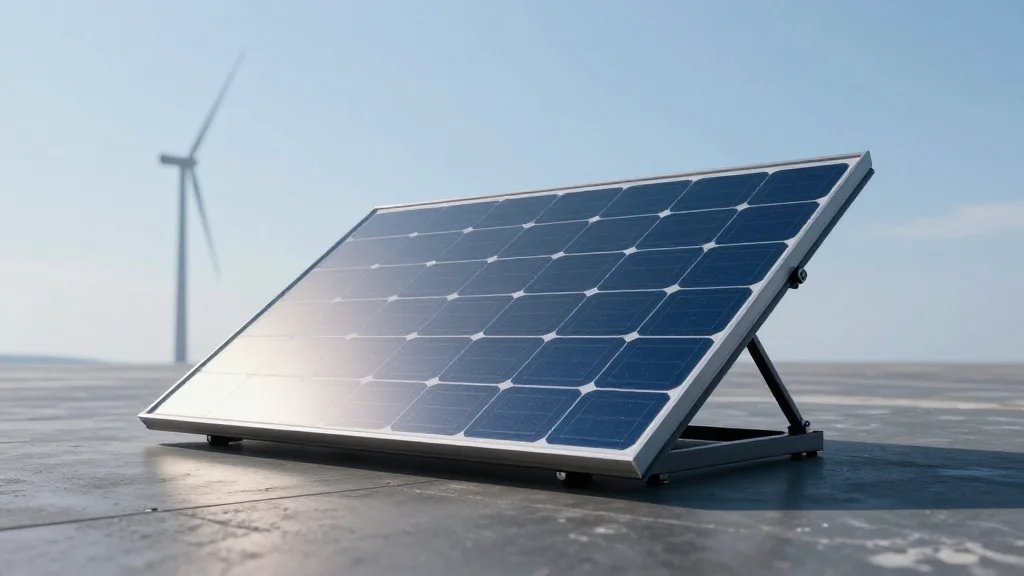
Solar power is at the forefront of this transition. By 2024, global solar generation added roughly 600 terawatt‑hours, a surge that outpaces most other renewables and signals a scaling of utility‑grade projects across both mature and emerging markets. Investment flows have tipped in favour of clean energy, with financing for renewables surpassing that for new fossil‑fuel projects for the first time. Yet, the financing gap remains pronounced in developing economies, where infrastructure deficits and limited access to capital hinder deployment of solar farms, wind turbines, and grid‑storage solutions. Delivering pledged climate finance on schedule is essential to unlock these markets and avoid a new lock‑in of short‑term fossil solutions.
Looking ahead, COP33 will serve as a critical checkpoint for the global climate agenda. The UNFCCC, together with the International Energy Agency, will assess whether the accelerated renewable investments have translated into measurable emissions reductions and enhanced energy resilience. Policymakers are expected to tighten national targets, prioritize grid modernization, and incentivize storage technologies to decouple electricity markets from volatile fossil‑fuel prices. The outcome of these negotiations will shape capital allocation, corporate strategy, and the broader trajectory of the energy transition over the next decade.
UN Climate Chief: Fossil Fuel Crisis Accelerates Global Renewable Energy Boom
Comments
Want to join the conversation?
Loading comments...