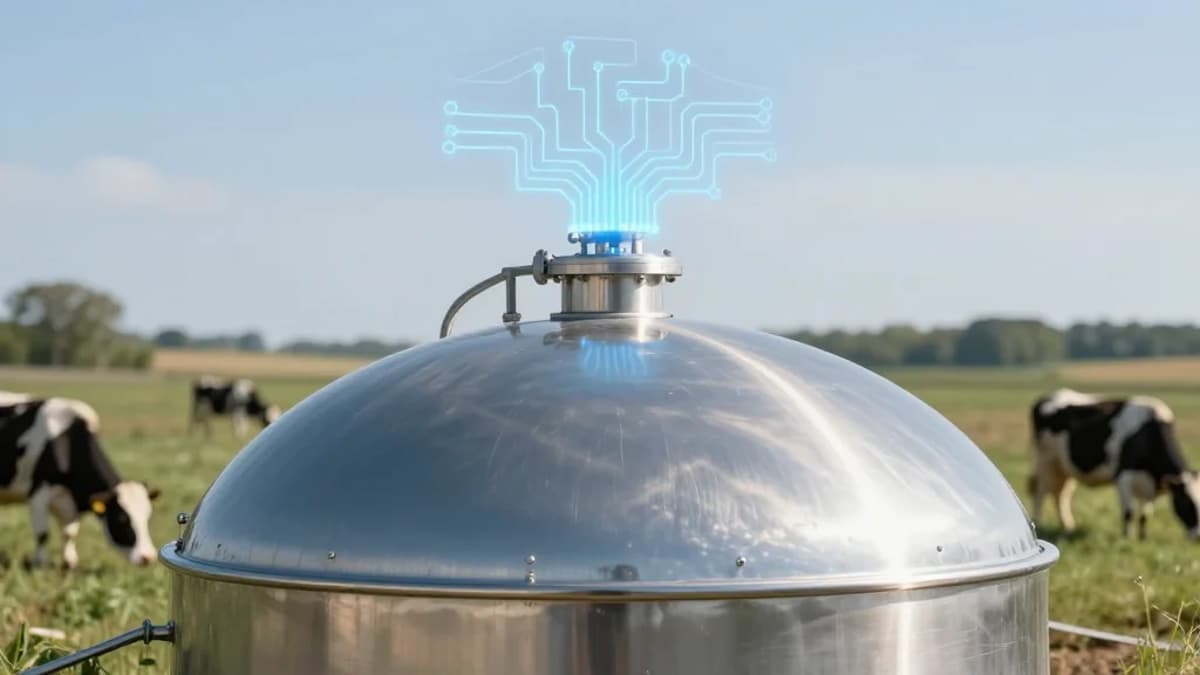
US AI Boom Creates Big Market Opportunity for Renewable Gas
•March 6, 2026
0
Why It Matters
AI‑driven power demand creates a new revenue stream for RNG, accelerating grid decarbonization and offering investors a high‑growth clean‑energy sector.
Key Takeaways
- •AI workloads boost US electricity demand sharply
- •RNG offers carbon‑neutral, dispatchable power for data centers
- •Investment in RNG pipelines and digesters expected to rise
- •Policy incentives align RNG with clean‑energy goals
- •Market could unlock billions in renewable gas revenue
Pulse Analysis
The United States is witnessing an unprecedented rise in artificial‑intelligence workloads, with cloud providers and enterprises scaling GPU‑heavy models at a pace that outstrips traditional computing growth. Analysts project that AI‑driven applications could add up to 30 percent more electricity demand by 2030, pressuring utilities to secure additional baseload capacity. Data centers, the primary consumers of this power, require not only high‑density electricity but also reliable, low‑emission sources to meet corporate sustainability pledges. Grid operators also warn that without flexible resources, peak‑hour pricing could spike, eroding profit margins for AI‑heavy firms.
Renewable natural gas, produced from organic waste streams such as landfills, agricultural residues, and wastewater treatment, emerges as a compelling solution. Unlike intermittent renewables, RNG can be injected into existing natural‑gas pipelines and dispatched on demand, providing a carbon‑neutral alternative that aligns with grid reliability standards. Its lifecycle emissions are up to 80 percent lower than fossil natural gas, and the fuel can be stored for weeks, smoothing out AI‑induced load spikes. Many states count RNG toward renewable portfolio standards, further incentivizing its adoption across the power mix.
The convergence of AI power needs and RNG’s dispatchability is creating a multi‑billion‑dollar market opportunity. Federal tax credits, such as the 45Q carbon‑capture incentive, and state‑level renewable‑fuel mandates are accelerating capital flows into RNG projects, while utilities negotiate long‑term offtake agreements with data‑center operators. Investors see RNG as a hedge against carbon‑pricing risk and a pathway to meet ESG targets, positioning the sector for rapid expansion over the next decade. Industry forecasts anticipate RNG output to exceed 10 billion cubic feet annually by 2035, cementing its place in the clean‑energy transition.
US AI Boom Creates Big Market Opportunity for Renewable Gas
0
Comments
Want to join the conversation?
Loading comments...