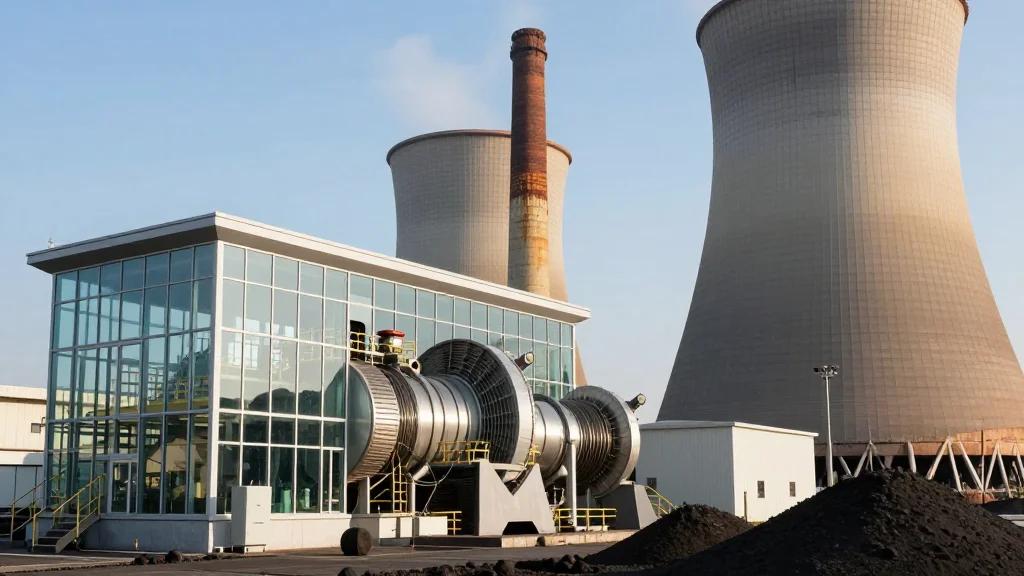
U.S. Coal-Fired Generating Capacity Retired in 2025 Was the Least in 15 Years
Why It Matters
The slowdown in coal retirements delays emissions reductions and reshapes investment in gas‑fired and renewable resources, while highlighting the tension between reliability mandates and climate goals.
Key Takeaways
- •2025 saw only 2.6 GW coal retirements, lowest since 2010.
- •Planned 8.5 GW retirements cut to 3.7 GW after delays/cancellations.
- •DOE emergency orders kept ~3.2 GW of coal capacity online.
- •New 1,017 MW gas plant replaced Intermountain’s retired coal units.
- •2026 plans 6.4 GW retirements, but policy could shift timeline.
Pulse Analysis
The 2025 coal‑retirement dip marks a reversal of the rapid phase‑out observed in 2022, when 13.7 GW—about 6.5% of the fleet—was decommissioned. Analysts attribute the slowdown to a combination of market signals, such as lower natural‑gas prices, and regulatory interventions. The U.S. Energy Information Administration’s latest generator inventory shows that only four plants actually retired, underscoring how operational decisions are increasingly driven by short‑term reliability concerns rather than long‑term decarbonization pathways.
Department of Energy emergency orders under Section 202(c) of the Federal Power Act forced several mid‑size coal units to remain on‑line for up to 90 days, preserving roughly 3.2 GW of capacity. While these measures safeguard the grid during periods of high demand or supply constraints, they also postpone the anticipated emissions cuts from coal retirements. Utilities are balancing the immediate need for firm power against the cost of maintaining aging coal assets, a calculus that influences capital allocation toward gas‑combined cycle projects and, increasingly, battery storage solutions.
Looking forward, the sector’s 2026 retirement schedule of 6.4 GW suggests a rebound in coal phase‑out, yet the outlook remains vulnerable to policy shifts and market dynamics. The conversion of the Transalta Centralia unit to natural gas and the commissioning of new gas plants illustrate a transitional strategy that leverages existing infrastructure while awaiting broader renewable integration. Stakeholders should monitor forthcoming DOE orders and state‑level clean‑energy mandates, as they will dictate the pace at which coal exits the generation mix and shape the competitive landscape for gas, renewables, and emerging storage technologies.
U.S. Coal-Fired Generating Capacity Retired in 2025 Was the Least in 15 Years
Comments
Want to join the conversation?
Loading comments...