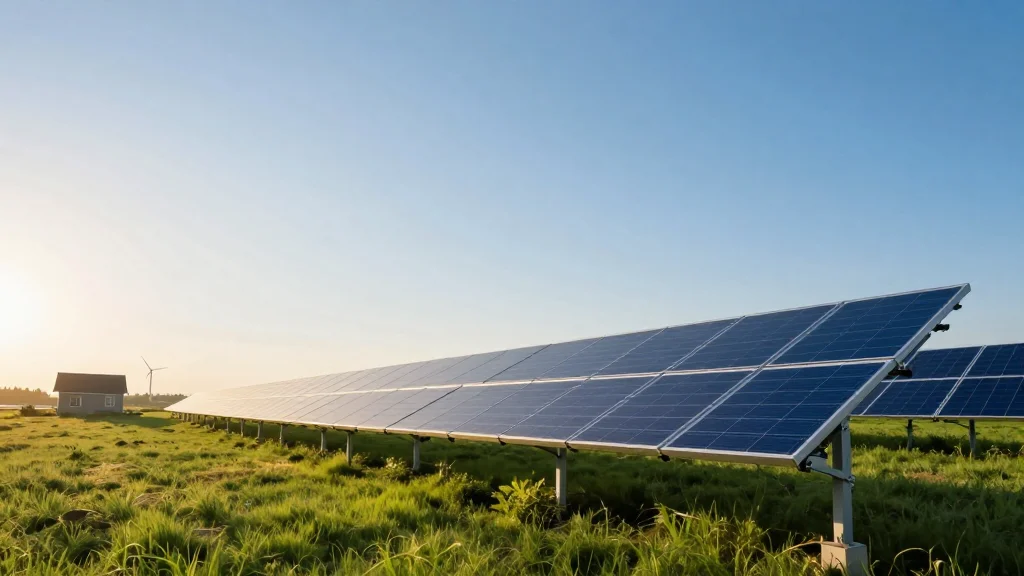
U.S. Distributed Solar Capacity Grows by 6.8 GW in 2025 as Maine Leads on per Capita Basis
Why It Matters
The surge in distributed solar and behind‑the‑meter storage reshapes grid dynamics, accelerates consumer‑owned clean energy, and pressures utilities and policymakers to adapt rate structures and incentives.
Key Takeaways
- •Distributed solar added 6.8 GW in 2025, 20% of total new solar
- •Maine tops per‑capita saturation at 700 W per person
- •Community solar accounts for 53% of Maine’s total solar capacity
- •California leads with 2 GW of distributed solar installations
- •Behind‑the‑meter storage grew 2.1 GW, 14% of new storage
Pulse Analysis
Analysts expect the distributed solar market to keep expanding as state incentives, net‑metering reforms, and declining panel costs converge. Maine’s per‑capita success illustrates how community‑solar programs can accelerate adoption in less‑dense regions, while California’s sheer volume confirms the continued importance of large‑scale residential roll‑outs. The modest but growing share of behind‑the‑meter storage hints at a future where solar‑plus‑storage micro‑grids provide resilience against extreme weather events. Investors and policymakers should therefore monitor policy shifts and utility‑rate designs that could either unlock or constrain this decentralized energy transition. The trend also opens new revenue streams for third‑party installers and financing firms.
Distributed generation is reshaping grid operations by reducing reliance on centralized plants and easing transmission constraints. The 2025 ILSR data also show 15 GW of battery storage added nationwide, with 2.1 GW—14 % of the total—installed behind the meter. Behind‑the‑meter storage pairs naturally with rooftop solar, smoothing intermittency and allowing homeowners to defer peak‑price electricity. Utilities in states such as Tennessee and Idaho, where over 90 % of new solar growth was distributed, are confronting regulatory and revenue‑model challenges as customer‑sited assets proliferate.
The surge in distributed solar and behind‑the‑meter storage reshapes grid dynamics, accelerates consumer‑owned clean energy, and pressures utilities and policymakers to adapt rate structures and incentives. Analysts expect the distributed solar market to keep expanding as state incentives, net‑metering reforms, and declining panel costs converge. Maine’s per‑capita success illustrates how community‑solar programs can accelerate adoption in less‑dense regions, while California’s sheer volume confirms the continued importance of large‑scale residential roll‑outs. The modest but growing share of behind‑the‑meter storage hints at a future where solar‑plus‑storage micro‑grids provide resilience against extreme weather events. Investors and policymakers should therefore monitor policy shifts and utility‑rate designs that could either unlock or constrain this decentralized energy transition. The trend also opens new revenue streams for third‑party installers and financing firms.
U.S. distributed solar capacity grows by 6.8 GW in 2025 as Maine leads on per capita basis
Comments
Want to join the conversation?
Loading comments...