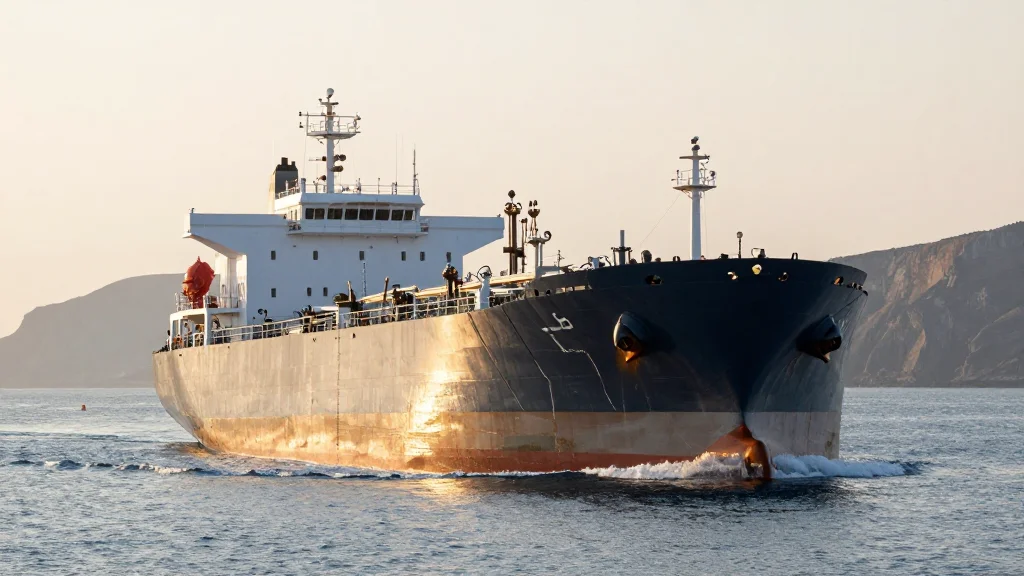
US DOE: Roughly 7mn B/D Moving Through Hormuz
Companies Mentioned
Why It Matters
Accurate flow estimates are critical for oil‑price forecasting and geopolitical risk assessment, as Hormuz remains a chokepoint for global energy supplies.
Key Takeaways
- •DOE estimates 7 mn b/d flowing through Hormuz, half pre‑war level
- •Chevron CEO doubts DOE figure, cites “dark” transits and off‑grid ships
- •Vessel tracking shows only 0.3‑0.5 mn b/d actual exports in June
- •Dark transits average four ships daily, far below pre‑war 130 ships
- •EIA projects Hormuz traffic won’t normalize until early 2027
Pulse Analysis
The Strait of Hormuz has long been a strategic artery for the world’s oil supply, moving roughly 20 million barrels daily before the Iran‑Israel conflict escalated. In June, U.S. Energy Secretary Chris Wright announced a rough average of 7 million barrels per day moving through the waterway, suggesting a gradual rebound despite ongoing hostilities. That figure, however, represents only half of the pre‑war volume and relies on limited visibility into vessel movements, as many tankers now travel with transponders disabled to avoid detection.
Industry analysts and Chevron’s chief executive have pushed back, citing satellite‑based tracking and commercial data from firms like Kpler and Vortexa. Those sources show Gulf crude exports between 226,000 and 330,000 b/d—a fraction of the DOE’s estimate. Windward’s data on “dark” transits indicates an average of four vessels per day, a stark contrast to the pre‑war average of 130 ships. The discrepancy underscores the challenges of measuring flow in a conflict zone where ships deliberately obscure their AIS signals, and it raises questions about the reliability of official statements.
For markets, the uncertainty translates into heightened price volatility and risk premiums. While the U.S. Navy is facilitating safer corridors, it is not escorting vessels, leaving operators wary of attacks that have already claimed 14 seafarer lives. The Energy Information Administration’s outlook that normal traffic won’t resume until early 2027 signals a prolonged supply constraint, prompting traders to factor longer‑term geopolitical risk into pricing models. Stakeholders—from refiners to investors—must monitor diplomatic developments closely, as any breakthrough or setback could swiftly shift the balance of global oil flows.
US DOE: Roughly 7mn b/d moving through Hormuz
Comments
Want to join the conversation?
Loading comments...