US Gas Producer Pens 20-Year Offtake with LNG Project in Louisiana
Why It Matters
The long‑term offtake secures a sizable feedstock source for Expand Energy while expanding U.S. LNG export capacity to markets without free‑trade agreements, reinforcing America’s role in the global gas market.
Key Takeaways
- •Expand Energy signs 20‑year, 1.15 mtpa LNG SPA with Delfin FLNG 1
- •Deal replaces 2024 contracts, boosting volume from 0.5 mtpa to 1.15 mtpa
- •Project targets 2031 start, leveraging deep‑water port and UTOS pipeline
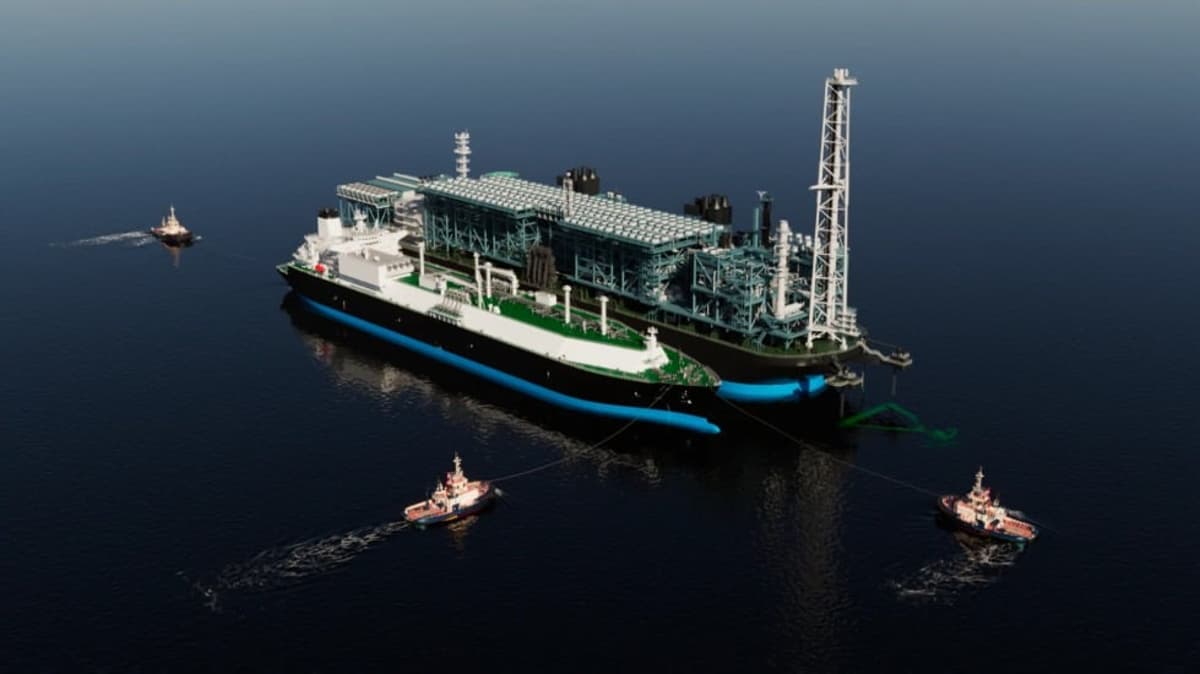
- •FLNG unit enables U.S. export capacity without new onshore infrastructure
- •Approval covers exports to non‑FTA countries, expanding market reach
Pulse Analysis
The United States is accelerating its liquefied natural gas (LNG) export ambitions, and the latest 20‑year offtake agreement between Expand Energy and Delfin FLNG 1 underscores that momentum. Expand Energy, created from the 2024 merger of two major shale producers, is positioning itself as a reliable buyer for the first floating LNG vessel slated for a Louisiana deep‑water port. By tying the price to the Henry Hub benchmark, the deal aligns with domestic gas pricing structures, offering a hedge against volatile Asian spot markets that previously guided the company’s contracts.
From a market perspective, the shift from a 0.5 mtpa contract linked to the Japan Korea Marker (JKM) to a 1.15 mtpa Henry Hub‑based agreement reflects a strategic pivot toward U.S. price signals and broader export flexibility. The long‑term nature of the SPA provides revenue certainty for Delfin’s FLNG project, facilitating the final investment decision and supporting the development of up to three FLNG units capable of producing 13.2 mtpa. The inclusion of the UTOS pipeline— the Gulf’s largest natural‑gas conduit—means the project can tap existing infrastructure, reducing capital expenditures and accelerating time to market.
Regulatory approvals further enhance the project's appeal. A deep‑water port license from MARAD and Department of Energy clearance for exports to non‑FTA nations open new customer segments in regions such as Southeast Asia and Eastern Europe, where demand for reliable, price‑stable LNG is growing. By leveraging floating technology, the United States can expand export capacity without the extensive onshore footprint typical of traditional LNG terminals, positioning the country as a flexible, low‑carbon‑intensity supplier in a tightening global energy landscape.
US gas producer pens 20-year offtake with LNG project in Louisiana
Comments
Want to join the conversation?
Loading comments...