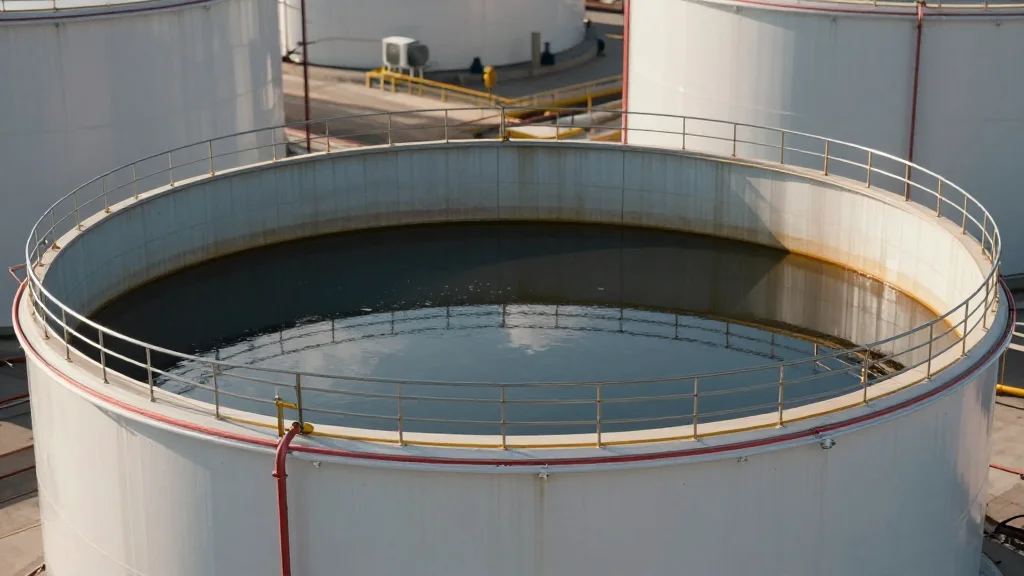
US Gasoline Inventories Face Record Summer Lows
Companies Mentioned

Why It Matters
Tight gasoline supplies are likely to lift retail fuel prices just as consumers grapple with higher costs, and they expose broader supply‑chain vulnerabilities that could feed into inflation and transportation‑sector earnings.
Key Takeaways
- •U.S. gasoline inventories may dip below 200 million barrels by August
- •Current stockpiles are the lowest seasonal level since 2014
- •Tight market could push gasoline crack spread to $40‑$50 per barrel
- •Reduced imports from Europe and Middle East drive domestic shortage
- •Elevated exports and refinery shifts to diesel intensify gasoline scarcity
Pulse Analysis
Summer traditionally drives a surge in U.S. gasoline demand as drivers hit the road, but this year the market faces an unprecedented supply squeeze. The Energy Information Administration reports inventories at 222 million barrels in late April, the lowest for that period since 2014, and analysts attribute the shortfall to geopolitical turbulence—most notably the war in Iran and the effective closure of the Strait of Hormuz. Those disruptions have choked the traditional flow of gasoline cargoes from Europe and the Middle East to the East Coast, leaving domestic stockpiles vulnerable to seasonal peaks.
Morgan Stanley’s latest note projects inventories slipping to 198 million barrels by August under a base‑case scenario, with a worst‑case dip to 190 million barrels. Such levels would widen the gasoline‑to‑Brent crack spread to $40‑$50 per barrel, a margin that historically signals higher futures prices and, ultimately, higher pump prices for consumers. The American Automobile Association already notes an average retail price of $4.48 per gallon, and a further spread expansion could push that figure toward $5.00, intensifying cost pressures on households and freight operators alike.
Refiners are responding by reallocating capacity toward higher‑margin diesel and jet fuel, while U.S. exporters continue to ship gasoline abroad, further draining domestic supplies. This strategic shift, coupled with the lingering import gap, underscores the market’s sensitivity to geopolitical events. A full reopening of the Strait of Hormuz would likely restore some import flow, but until then analysts expect continued volatility, prompting policymakers and industry players to monitor inventory trends closely as a barometer for broader energy‑price inflation.
US Gasoline Inventories Face Record Summer Lows
Comments
Want to join the conversation?
Loading comments...