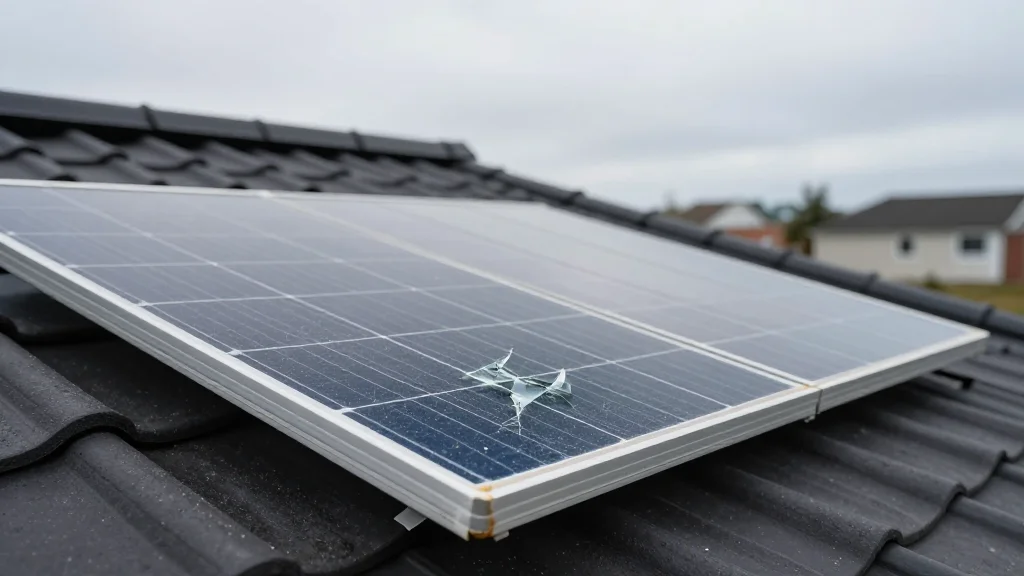
US Home Solar Bust Worsens After Trump Ends Subsidies
Companies Mentioned
Why It Matters
Removing key subsidies erodes the financial case for rooftop solar, threatening jobs and slowing the clean‑energy transition, while battery integration could reshape the residential market and revive demand.
Key Takeaways
- •Freedom Forever files bankruptcy after federal solar tax credit ends
- •Q1 sales dip for Tesla, Enphase, Sunrun; market may shrink 30%
- •Ohm Analytics predicts 22% full‑year decline in residential solar
- •Battery storage adoption rises; 90% of California panels now include batteries
- •SolarEdge gains 40% YTD on European demand despite US slowdown
Pulse Analysis
The Trump administration’s decision to terminate the residential solar Investment Tax Credit and the lease‑subsidy program has stripped away the primary economic incentive that drove the sector’s rapid expansion. Without the credit, the upfront cost of a typical $20,000 system becomes prohibitive for many homeowners, and leasing firms lost a critical source of capital. The policy shock has already triggered bankruptcies at Freedom Forever and contributed to soft quarterly results for industry heavyweights such as Tesla, Enphase and Sunrun, prompting analysts to warn of a 30% market contraction this year.
Beyond policy, the sector faces a perfect storm of macro‑economic headwinds. Rising interest rates increase financing costs, while tariffs on Southeast Asian solar imports have squeezed margins. State‑level incentives, especially in California, have been scaled back, further dampening demand. Consequently, residential‑solar stocks have retreated sharply, with Enphase down nearly 30% and Sunrun off about 40% since early‑year highs. Yet, a silver lining emerges from the battery‑storage segment: costs have fallen dramatically, and federal tax credits for storage extend through 2033. In California, roughly 90% of new solar installations now include a battery, reflecting both consumer interest and utility rate structures that reward stored energy.
Looking ahead, companies that can bundle solar with storage and tap emerging state programs may capture market share despite the downturn. Sunrun, for example, touts the nation’s largest home‑battery network and sees the current dislocation as an opportunity for profitable growth. SolarEdge’s strong performance, driven by European demand, underscores the sector’s geographic diversification potential. As electricity rates continue to rise, the combined solar‑plus‑battery proposition becomes increasingly compelling, positioning the residential clean‑energy market for a gradual rebound once policy and financing conditions stabilize.
US home solar bust worsens after Trump ends subsidies
Comments
Want to join the conversation?
Loading comments...