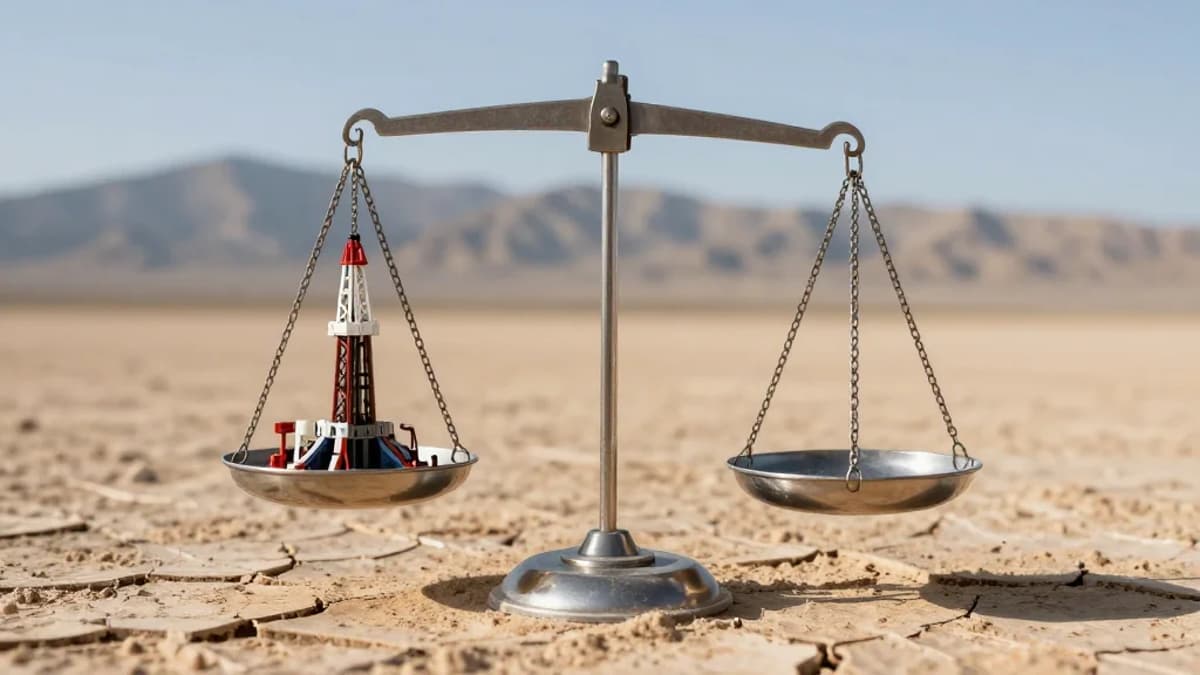
US Interior Guts Environmental Reviews for Oil, Gas Drilling
•February 23, 2026
0
Why It Matters
Faster permits could lift domestic oil and gas supply, reshaping energy markets while intensifying legal and environmental battles.
Key Takeaways
- •Rule cuts permit timelines by up to 90%
- •NEPA reviews limited to 30 days
- •Applies to all federal oil and gas leases
- •Industry expects increased drilling activity
- •Environmental groups likely to sue
Pulse Analysis
The Interior Department’s new rule reflects a broader push to reduce regulatory bottlenecks that have long slowed oil and gas development on public lands. By capping National Environmental Policy Act reviews at 30 days, the agency effectively eliminates the lengthy, multi‑year studies that previously delayed projects. This procedural overhaul aligns with the administration’s goal of expanding domestic energy production to enhance energy security and lower fuel prices, while also signaling a departure from more stringent environmental safeguards that have characterized recent policy trends.
Investors and operators are likely to welcome the streamlined permitting framework, which could unlock billions of dollars in previously stalled capital projects. Shorter approval cycles reduce financing costs and improve project economics, encouraging higher drilling activity across the Permian, Bakken, and other prolific basins that sit on federal acreage. The rule may also stimulate job growth in the energy sector and increase tax revenues for states that benefit from lease royalties. However, the accelerated timeline could pressure companies to expedite environmental assessments, potentially raising operational risks if site‑specific impacts are not fully evaluated.
Environmental advocates warn that the rule compromises thorough review of climate and ecological consequences, increasing the likelihood of litigation. Several NGOs have already signaled intent to challenge the rule in court, arguing that it violates statutory obligations under NEPA and the Clean Air Act. The legal uncertainty could delay projects despite the rule’s intent, while also influencing broader debates on the balance between energy development and climate goals. As the industry adapts, the rule will serve as a litmus test for how quickly policy can shift the trajectory of U.S. fossil‑fuel production in a rapidly decarbonizing global market.
US Interior Guts Environmental Reviews for Oil, Gas Drilling
0
Comments
Want to join the conversation?
Loading comments...