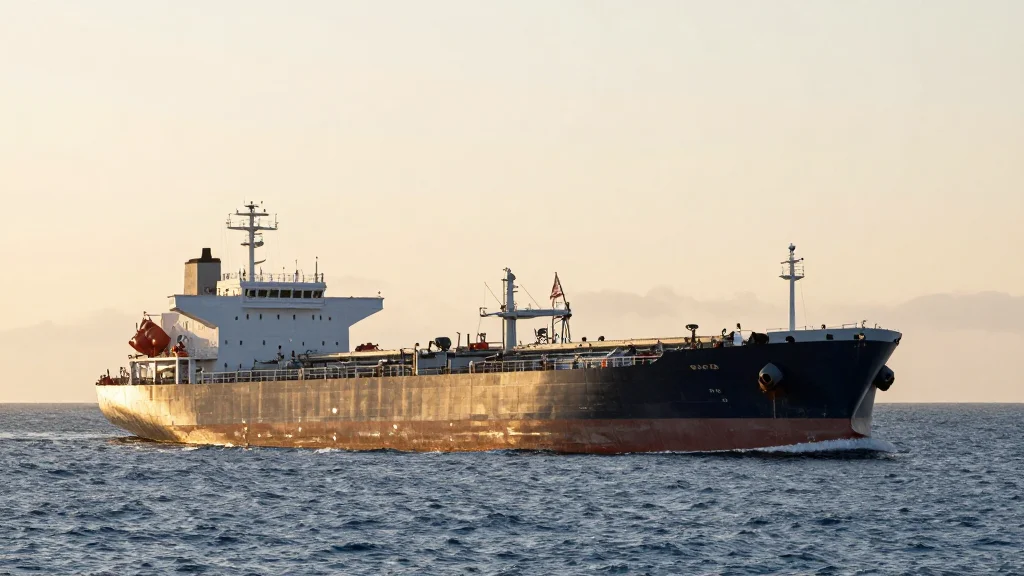
US Is Oil Supplier of Last Resort as Hormuz Disruptions Worsen
Companies Mentioned
Why It Matters
U.S. export dominance cushions global oil markets but threatens domestic supply security and fuels inflation‑sensitive political backlash, reshaping energy‑policy calculations.
Key Takeaways
- •U.S. exported over 250 million barrels in nine weeks, topping Saudi Arabia
- •Domestic oil inventories fell 52 million barrels in four weeks
- •Asian refiners, especially Japan, increased U.S. crude purchases amid Hormuz shutdown
- •Export capacity may cap around 6 million barrels per day due to logistics
- •Rising U.S. gasoline prices exceed $4.40 per gallon, fueling political pressure
Pulse Analysis
The surge in American crude shipments reflects a convergence of long‑term shale production gains and short‑term geopolitical shockwaves. Since the 2015 lift of the export ban, the United States has built a robust infrastructure that can move oil from Texas, Louisiana and Alaska to distant markets. The current Hormuz bottleneck, caused by the Iran‑U.S. conflict, has forced Asian refiners to replace traditional Middle‑Eastern supplies with U.S. grades, accelerating export volumes to unprecedented levels.
While the export boom provides a vital stop‑gap for global demand, it is eroding the United States’ strategic stockpiles. Four weeks of inventory draws have shaved 52 million barrels from combined crude and product reserves, tightening the domestic market just as gasoline prices climb above $4.40 per gallon. This depletion limits the buffer that policymakers have historically relied on to temper inflation and could force a rapid policy shift if domestic shortages intensify.
Looking ahead, the sustainability of the export surge hinges on logistical and political constraints. Vessel availability, offshore lightering costs, and port capacity suggest a realistic ceiling near 6 million barrels per day, despite headline figures of 10 million. Traders are already pricing in the risk of a sudden export curtailment, with options positions betting on a potential WTI‑Brent spread widening. As the Trump administration continues to champion "energy dominance," any move to protect domestic fuel prices could reshape global oil flows and re‑ignite debates over the balance between export revenue and energy security.
US Is Oil Supplier of Last Resort as Hormuz Disruptions Worsen
Comments
Want to join the conversation?
Loading comments...