U.S. Oil Can’t Fill the Middle East Supply Hole
Companies Mentioned
Why It Matters
The gap underscores the limits of U.S. oil as a global backstop, threatening domestic price stability and strategic reserve readiness.
Key Takeaways
- •Exports reached 5.2 mb/d, a historic high
- •SPR drawdown exceeds design limits, risking cavern integrity
- •Domestic gasoline prices stay above $4 per gallon
- •Port and pipeline capacity already maxed out
- •Middle East shortfall remains larger than U.S. surplus
Pulse Analysis
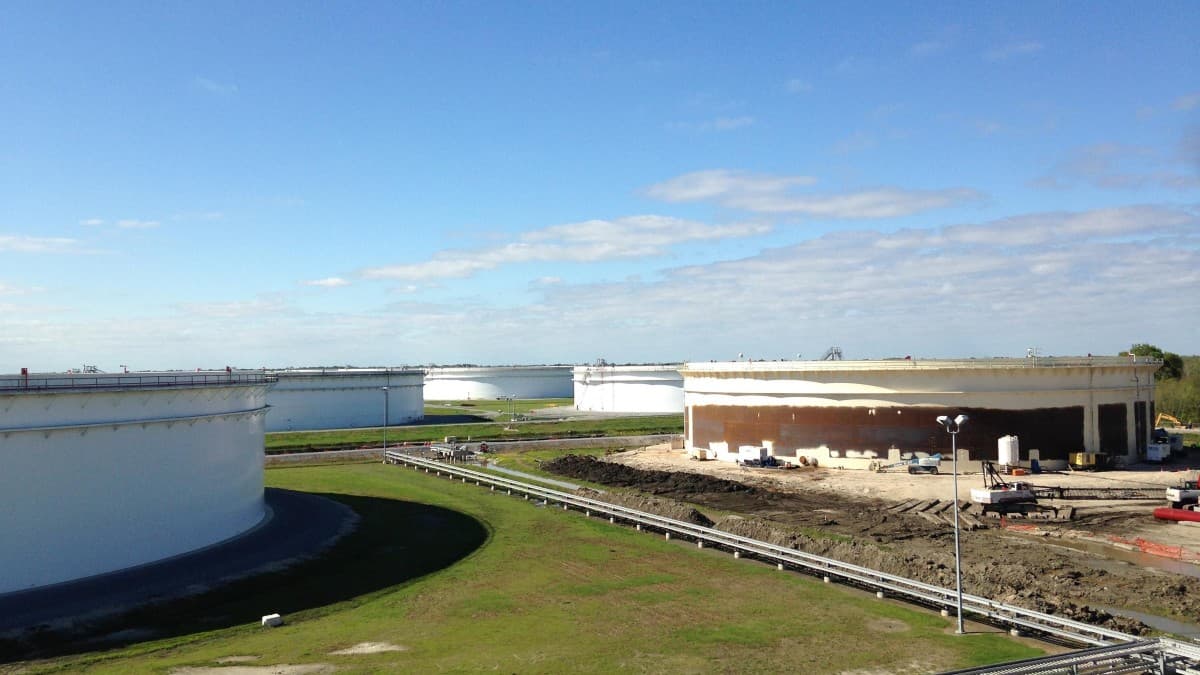
The war in the Middle East has abruptly cut off a sizable share of the world’s oil flow, prompting buyers to turn to the United States for relief. Since early April, U.S. crude shipments have surged to roughly 5.2 million barrels per day, a level not seen since the early 2000s. Data from Kpler and port officials show that the Corpus Christi hub alone has handled double its pre‑crisis volume. While this surge temporarily eases the global supply crunch, it also highlights how quickly the U.S. can mobilize its surplus when geopolitics shift.
The rapid export ramp‑up is draining the Strategic Petroleum Reserve, which was already depleted after a 180‑million‑barrel release in 2022. Engineers warn that repeated drawdowns stress the salt‑cavern system, potentially compromising its structural integrity and limiting future emergency releases. At home, the tighter market has pushed the national average gasoline price above $4 per gallon for more than a month, squeezing consumers and raising political pressure. Moreover, existing port infrastructure and pipeline capacity are operating at full tilt, leaving little room for additional shipments without costly new investments.
Analysts argue that U.S. oil alone cannot plug the Middle East hole; the shortfall exceeds the incremental supply the United States can sustainably provide. Policymakers may consider temporary export caps, accelerated SPR replenishment, or strategic partnerships to diversify import sources once the conflict eases. In the longer run, the episode underscores the vulnerability of a market that relies heavily on a single region for baseline production. Building more resilient logistics, expanding domestic refining capacity, and encouraging alternative energy adoption could reduce future exposure to similar geopolitical shocks.
U.S. Oil Can’t Fill the Middle East Supply Hole
Comments
Want to join the conversation?
Loading comments...