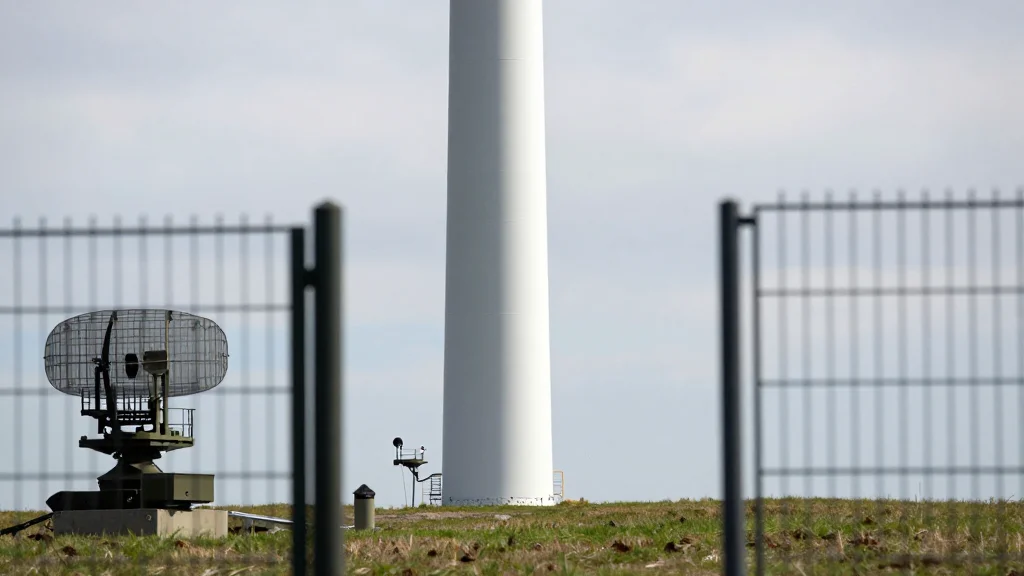
US Onshore Wind Halt Deals Latest Blow for Project Cargo
Why It Matters
Stalling wind projects deprives the break‑bulk cargo sector of its largest demand source, threatening revenue and capacity utilization. It also underscores how policy decisions can quickly destabilize emerging clean‑energy supply chains.
Key Takeaways
- •165 US onshore wind projects stalled by DoD security review
- •Wind cargo makes up >90% of turbine orders, now delayed
- •Logistics firms face rate cuts and capacity shifts to data centers
- •Permitting bottlenecks risk future supply‑chain bottlenecks like 2020
- •Industry calls for reform, citing conflict with energy affordability goals
Pulse Analysis
The on‑shore wind sector has long been the engine of heavy‑haul activity, with turbine blades, towers and nacelles requiring specialized transport, permits and escorts. When the Department of Defense placed 165 projects on hold, logistics providers suddenly lost the bulk of their forecasted cargo, forcing them to slash rates and reallocate trucks and vessels to alternative loads such as data‑center hardware. This abrupt shift not only squeezes profit margins but also erodes the predictability that heavy‑haul operators need to maintain safety standards and crew readiness.
Policy uncertainty compounds the logistical challenges. The Trump administration’s recent actions—cancelling offshore projects, tightening permitting, and invoking national‑security reviews—run counter to bipartisan calls for streamlined approvals that would keep America’s energy infrastructure competitive. Critics argue that the current approach creates a paradox: while officials tout permitting reform to modernize infrastructure, they simultaneously block projects that could deliver affordable, clean power to consumers. The resulting regulatory gridlock adds a layer of risk for investors and developers, who must now factor in potential delays into project economics.
Looking ahead, the cargo industry is adapting. With wind shipments stalled, firms are pivoting to high‑value, lower‑volume cargo like data‑center components, but this is a temporary band‑aid. If stalled wind projects resume within the next two years, the sector could face a repeat of the 2020 supply‑chain crunch, where insufficient trucks and vessels drove up costs and caused project overruns. Stakeholders are therefore urging a clear, consistent permitting pathway to restore confidence, stabilize logistics demand, and prevent a future bottleneck that could hinder the United States’ clean‑energy transition.
US onshore wind halt deals latest blow for project cargo
Comments
Want to join the conversation?
Loading comments...