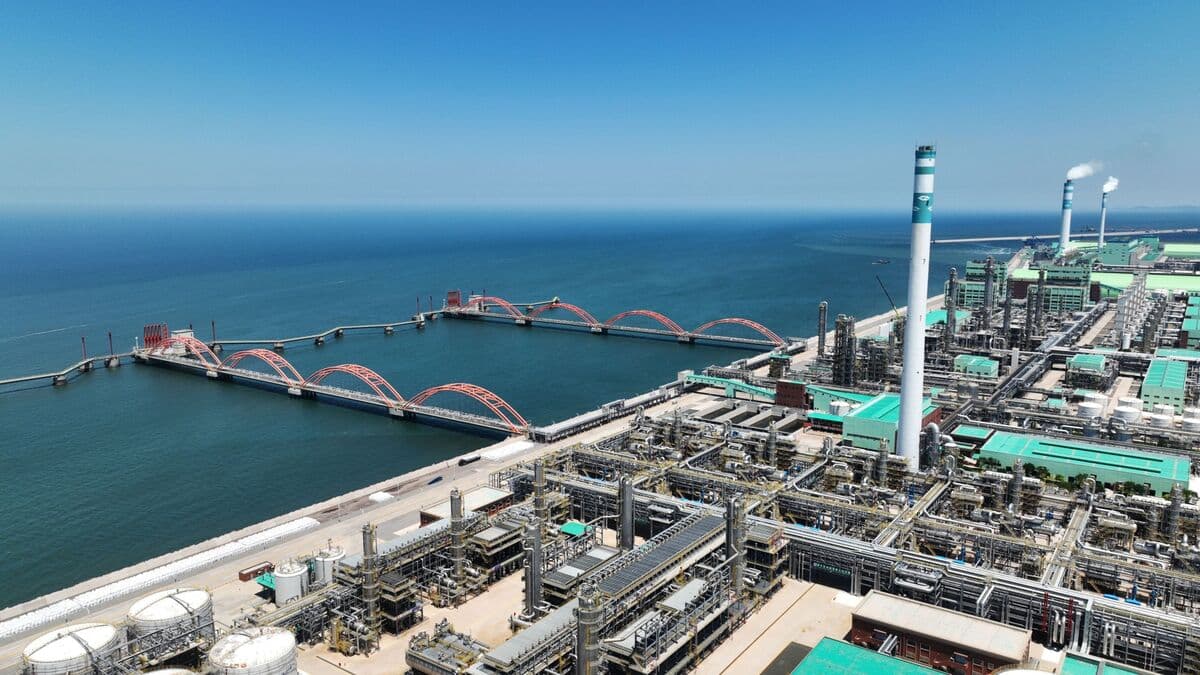
US Sanctions Giant Chinese Refiner Hengli Over Iran Links
Why It Matters
The sanction adds economic pressure on Iran’s war‑funding while testing U.S.-China ties ahead of a pivotal summit, potentially reshaping trade and energy flows in the region.
Key Takeaways
- •OFAC added Hengli Petrochemical to the U.S. sanctions list.
- •Sanctions cite purchases of Iranian crude and refined products.
- •Move heightens U.S. pressure on Tehran amid regional tensions.
- •Could strain U.S.-China relations before the upcoming leaders’ summit.
- •Chinese firms may face tighter compliance checks and supply disruptions.
Pulse Analysis
The United States has escalated its strategy to curb Iran’s oil exports by targeting foreign entities that help sustain Tehran’s clandestine shipping network, often called the “shadow fleet.” By sanctioning Hengli Petrochemical, a major private refiner in Liaoning province, Washington aims to cut a critical revenue stream that funds Iran’s regional activities and its ongoing conflict dynamics. The move underscores a broader policy shift that leverages financial tools to disrupt illicit oil flows rather than relying solely on naval interdiction.
Hengli Petrochemical operates a modern complex capable of processing millions of barrels of crude annually, making it a valuable conduit for Iranian oil seeking access to Asian markets. The OFAC designation freezes any U.S.-linked assets, bars American firms from doing business with Hengli, and forces global banks to conduct heightened due‑diligence on transactions involving the refinery. Chinese companies, already navigating a complex sanctions environment, now face tighter compliance requirements and potential supply chain disruptions as they reassess trade relationships with sanctioned partners.
Beyond the immediate impact on Iran’s oil earnings, the sanction carries geopolitical weight. It arrives just weeks before a scheduled U.S.-China leaders’ summit, testing the resilience of bilateral ties amid competing strategic interests. Market participants are watching for spillover effects on crude pricing, as reduced Iranian export capacity could tighten global supply, while Chinese refiners may seek alternative sources, reshaping trade flows in the Asia‑Pacific. The episode highlights how financial sanctions continue to serve as a potent lever in the intersecting arenas of energy security and great‑power diplomacy.
US Sanctions Giant Chinese Refiner Hengli Over Iran Links
Comments
Want to join the conversation?
Loading comments...