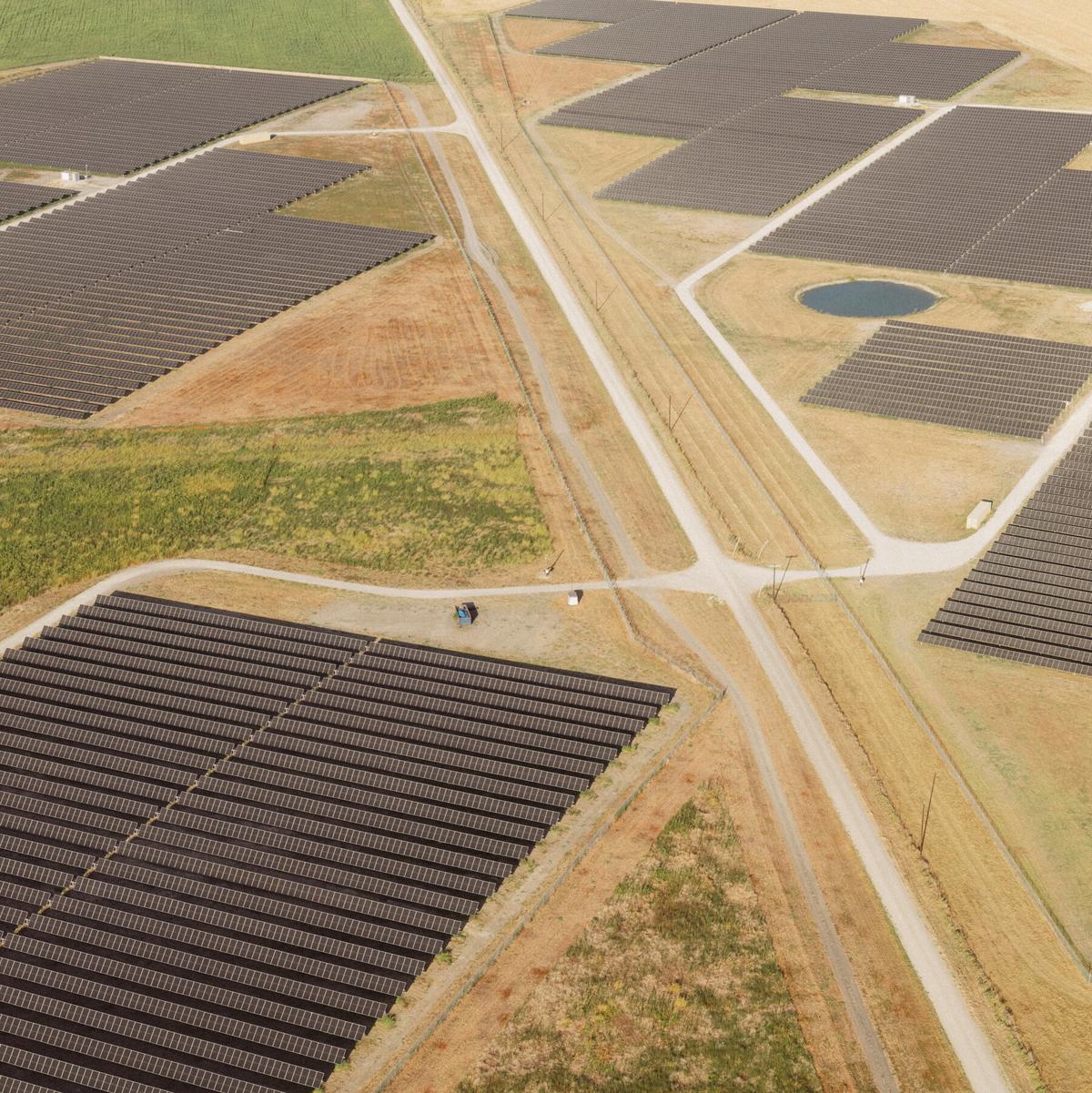
U.S. Solar Installations Fell in 2025 as Trump Attacked Clean Energy
•March 10, 2026
0
Why It Matters
The drop signals how federal policy can quickly suppress renewable growth, affecting climate goals and industry investment. Continued policy volatility may reshape the U.S. energy transition trajectory.
Key Takeaways
- •Solar installations dropped 14% year‑over‑year in 2025.
- •Solar still supplied over half of new generation capacity.
- •Federal cuts slashed funding for solar and wind programs.
- •Battery storage hit record‑high annual installations in 2025.
- •Rising fossil prices may boost future renewable investments.
Pulse Analysis
The United States has long been a leader in solar deployment, with the technology accounting for the majority of new generation capacity each year. In 2025, however, the sector experienced a 14% contraction, the first notable decline since the early 2010s. Analysts attribute the slowdown primarily to the Trump administration’s aggressive rollback of federal renewable incentives, including deep cuts to Department of Energy grant programs and prolonged environmental reviews that stalled dozens of large‑scale projects.
While solar faced headwinds, battery storage surged to an all‑time high in 2025, driven by falling lithium‑ion costs and growing corporate demand for grid resilience. Energy firms increasingly pair storage with intermittent renewables to smooth output, a trend that investors are rewarding with higher valuations. The divergent policy treatment—softening support for solar while leaving storage largely untouched—highlights a strategic pivot toward technologies that can be more readily integrated into existing fossil‑fuel‑centric grids.
External factors add further complexity. The ongoing war with Iran has pushed oil and natural‑gas prices to multi‑year peaks, creating a potential economic incentive for businesses and households to adopt solar and storage solutions. Yet policymakers may respond by bolstering fossil‑fuel subsidies to temper inflation, which could dampen the renewable upside. For stakeholders, the key takeaway is that policy volatility, not just market economics, will dictate the pace of the U.S. clean‑energy transition in the coming years.
U.S. Solar Installations Fell in 2025 as Trump Attacked Clean Energy
0
Comments
Want to join the conversation?
Loading comments...