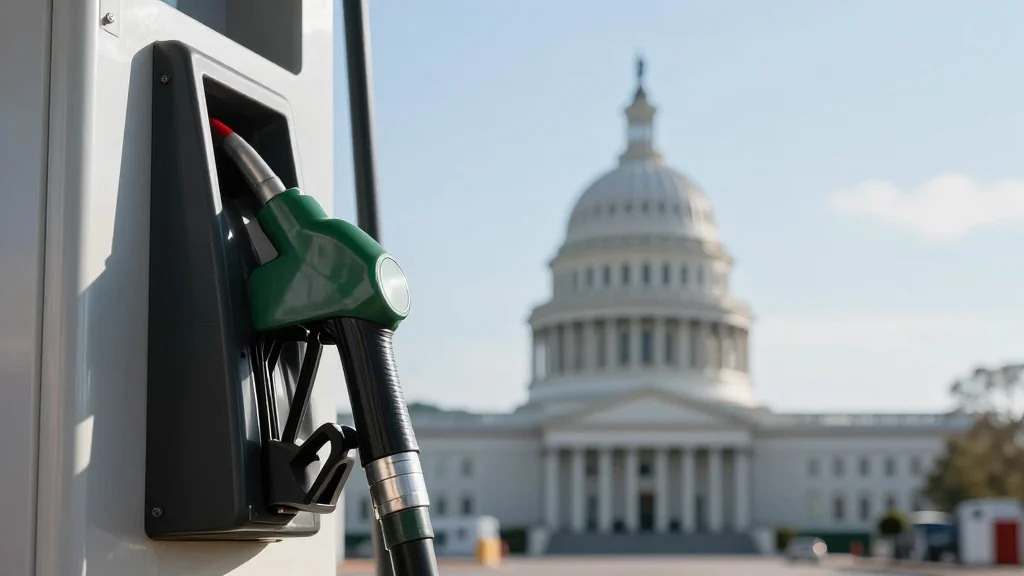
US States Eye Fuel Tax Relief to Curb Pain at the Pump
Why It Matters
Fuel‑tax relief directly affects household budgets and state budgets, influencing both consumer spending and infrastructure funding. The policy choices made now will shape the balance between immediate price relief and long‑term fiscal health.
Key Takeaways
- •Eight states propose temporary gasoline tax suspensions
- •Relief could reduce pump prices by up to $0.10 per gallon
- •Tax cuts may shrink state revenue by billions annually
- •Critics warn reduced taxes could fund less infrastructure
- •Federal relief unlikely as Congress focuses on broader energy policy
Pulse Analysis
The current surge in gasoline prices stems largely from disruptions in Middle East oil supplies, sending pump prices to multi‑year highs. Consumers are feeling the pinch, especially in regions where commuting costs dominate household expenses. State policymakers, under intense political pressure, are looking to their tax codes for quick fixes, arguing that a temporary reduction in the per‑gallon excise tax could provide immediate, tangible relief at the pump.
Across the nation, at least eight states have introduced legislation to suspend or lower fuel taxes for a limited period. Proponents claim a modest $0.05‑$0.10 per‑gallon discount could translate into significant savings for drivers while preserving market stability. However, these tax cuts also threaten to shave billions from state coffers, potentially jeopardizing road repair programs, bridge maintenance, and other critical infrastructure projects that rely on fuel‑tax revenue. Lawmakers must weigh short‑term consumer appeasement against long‑term fiscal sustainability.
Federal action remains limited, as Congress focuses on broader energy security measures rather than targeted tax relief. This vacuum leaves states to navigate the trade‑off alone, prompting debates over the efficacy of tax policy versus alternative solutions such as strategic petroleum reserves releases or subsidies for alternative fuels. The outcome will signal how U.S. jurisdictions balance immediate economic pain with the need to fund essential public assets, setting a precedent for future energy‑price shocks.
US States Eye Fuel Tax Relief to Curb Pain at the Pump
Comments
Want to join the conversation?
Loading comments...