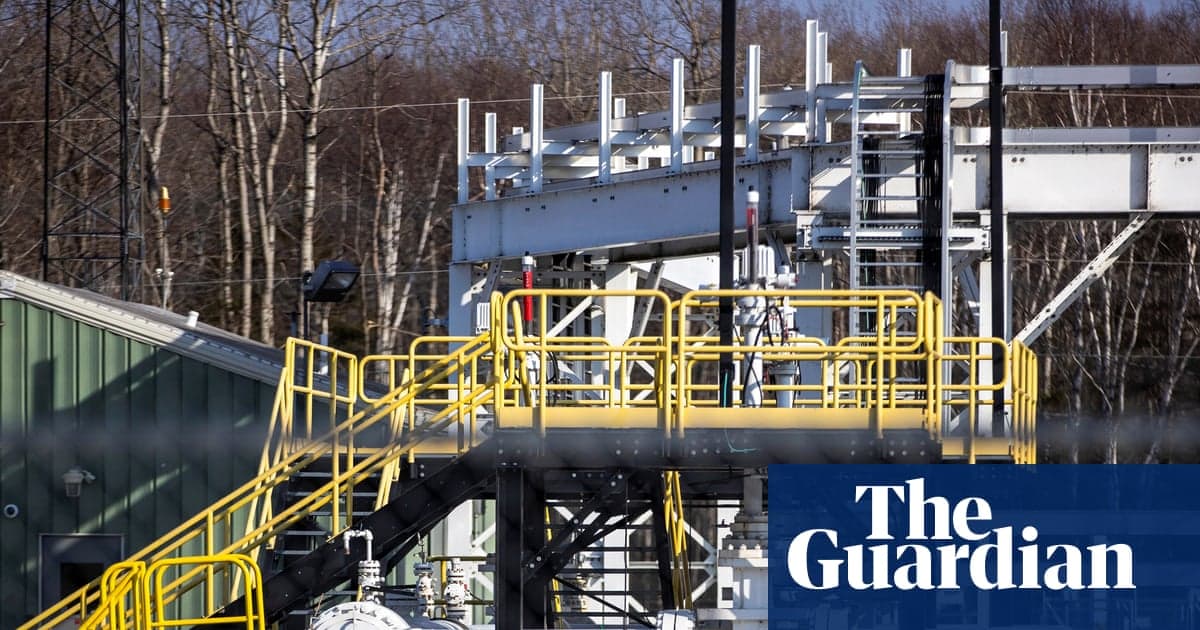
US Supreme Court Sides with Michigan in Its Fight to Shut Down Ageing Pipeline
Why It Matters
Keeping the case in Michigan courts empowers state regulators and environmental advocates to potentially halt a high‑risk, decades‑old pipeline, reshaping regional energy infrastructure and liability precedents. The decision also signals judicial scrutiny of corporate attempts to sidestep state oversight on critical infrastructure.
Key Takeaways
- •Supreme Court keeps Line 5 case in Michigan state court
- •Enbridge missed 30‑day deadline to move case to federal court
- •Michigan aims to revoke easement for 4.5‑mile pipeline segment
- •Environmental groups push for tunnel permit reversal
- •Wisconsin lawsuits could force more Line 5 shutdowns
Pulse Analysis
Line 5, an aging conduit built in 1953, carries crude oil and natural‑gas liquids across the Great Lakes, linking Superior, Wisconsin, with Sarnia, Ontario. Its 4.5‑mile stretch beneath the Straits of Mackinac has drawn scrutiny after Enbridge disclosed protective‑coating gaps dating back to 2014 and a 2018 anchor incident that heightened spill fears. By refusing to let Enbridge shift the dispute to federal court, the Supreme Court reaffirmed the importance of state jurisdiction in evaluating environmental risk and easement validity.
Michigan’s Attorney General Dana Nessel, who filed the original state‑court suit in 2019, seeks to void the easement that permits the pipeline’s operation under the straits. The state’s revocation in 2020, coupled with a pending challenge to the tunnel‑encasement permits, underscores a broader strategy to replace the vulnerable segment with a protected tunnel. Environmental coalitions and tribal groups argue that the tunnel permits were granted without adequate scrutiny, and they continue to press for a comprehensive safety review that could halt construction pending further analysis.
The ruling carries ripple effects beyond Michigan. Enbridge’s Line 5 is a critical artery for U.S.–Canada energy trade, and the decision sets a precedent for how corporations may—or may not—navigate jurisdictional hurdles to protect infrastructure projects. Simultaneously, the parallel Wisconsin litigation, which mandates a shutdown on the Bad River reservation, illustrates a growing judicial willingness to intervene in aging pipeline operations. Stakeholders across the energy sector are now watching closely as legal outcomes could accelerate a shift toward newer, safer transport methods or, conversely, trigger costly retrofits for existing pipelines.
US supreme court sides with Michigan in its fight to shut down ageing pipeline
Comments
Want to join the conversation?
Loading comments...