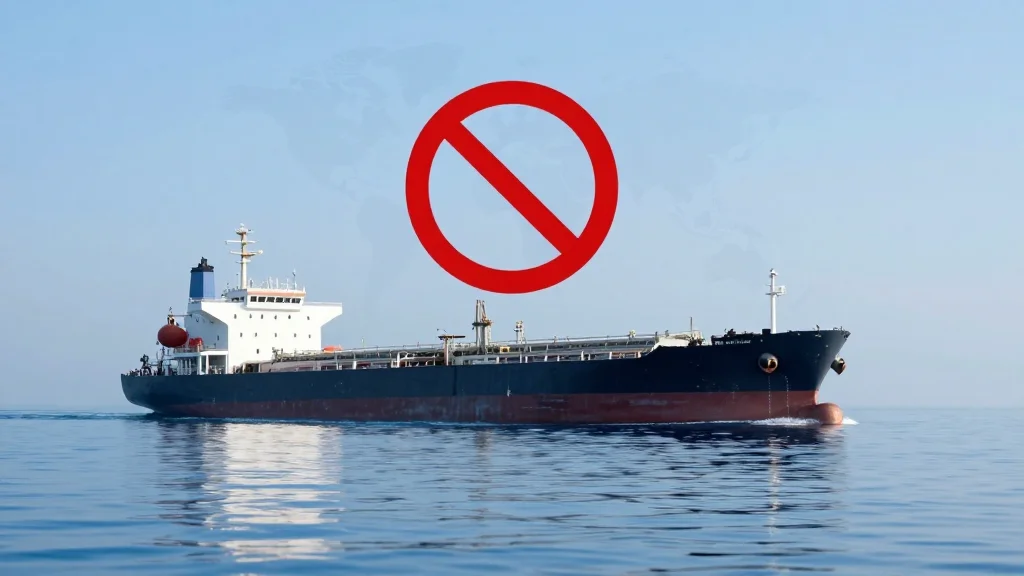
US Targets Iran's Oil Transportation Infrastructure with Sanctions
Why It Matters
The sanctions aim to choke revenue streams that fund Iran's nuclear and proxy activities, raising pressure on Tehran ahead of diplomatic negotiations. They also demonstrate heightened U.S. resolve to disrupt illicit oil‑gold trades.
Key Takeaways
- •Over 24 entities sanctioned for Iran oil transport links
- •Target includes Mohammad Hossein Shamkhani, son of slain official
- •Seyed Moosavi accused of financing Hezbollah
- •Three firms tied to oil‑for‑Venezuelan‑gold laundering
- •Treasury calls strategy “Economic Fury” against regime elites
Pulse Analysis
The United States has escalated its long‑standing pressure campaign on Tehran by zeroing in on the logistics that move Iranian crude abroad. By sanctioning more than two dozen actors—individuals, vessels and companies—the Treasury is extending the reach of its “Economic Fury” doctrine, which seeks to isolate Iran’s energy sector from global finance. This latest wave builds on previous rounds of sanctions that targeted refineries, tankers and export financing, reinforcing a pattern of punitive measures whenever Tehran advances its nuclear or regional ambitions.
Central to the new sanctions is Mohammad Hossein Shamkhani, a prominent oil‑shipping figure whose family ties link him directly to Iran’s security elite. The Treasury also named Seyed Naiemaei Badroddin Moosavi, alleging he channels funds to Hezbollah, and three entities implicated in a money‑laundering operation that trades Iranian oil for Venezuelan gold. By disrupting these networks, Washington aims to cut off a critical source of hard currency that fuels both Tehran’s missile programs and its proxy militias across the Middle East, while also curbing a shadow trade that undermines international sanctions regimes.
The broader market impact could be modest but notable. While Iran’s official oil exports have already been constrained by earlier sanctions, the targeting of transportation infrastructure may further tighten supply, nudging global crude prices upward in the short term. For multinational energy firms and compliance officers, the move underscores the need for heightened due‑diligence on vessel registries and third‑party financiers linked to the Middle East. Strategically, the sanctions serve as a bargaining chip in upcoming diplomatic talks, signaling that the U.S. will continue to leverage economic tools to extract concessions on Iran’s nuclear roadmap and regional behavior.
US targets Iran's oil transportation infrastructure with sanctions
Comments
Want to join the conversation?
Loading comments...