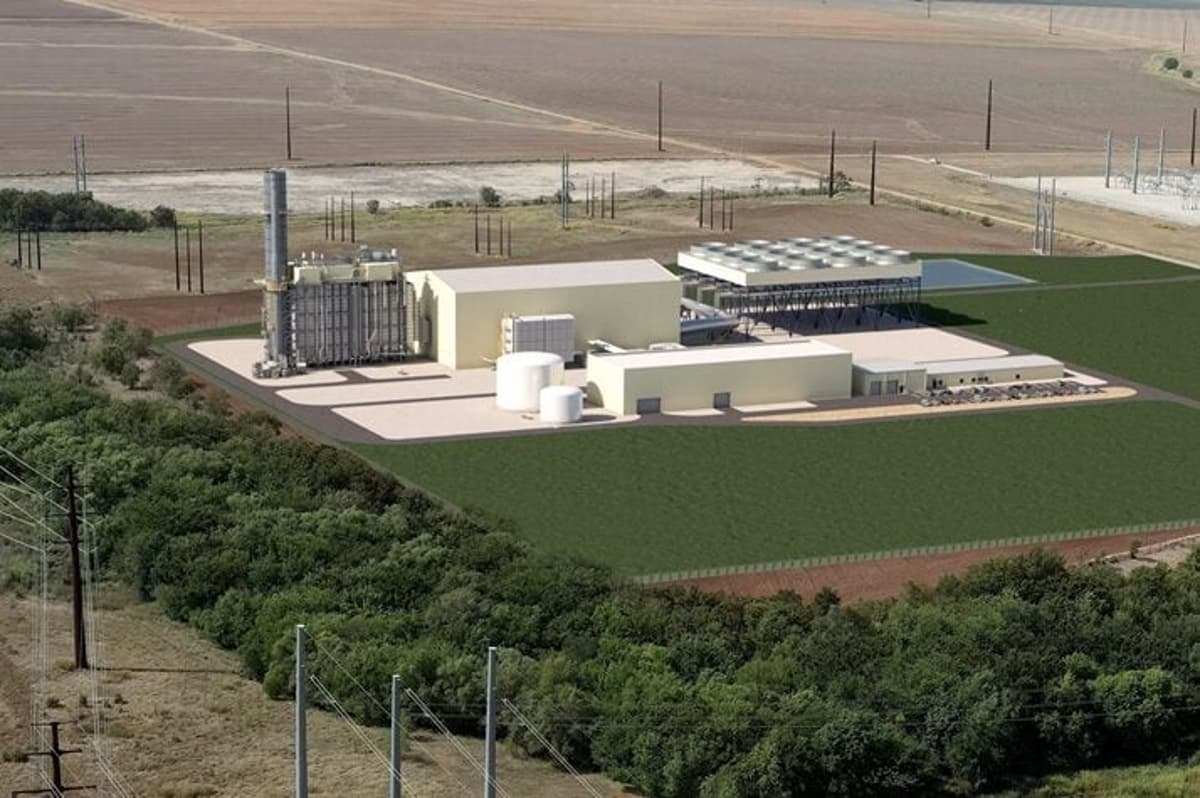
Utilities Advance Combined-Cycle Projects Across Midwest and Southeast
Why It Matters
The surge in gas‑fired capacity restores baseload reliability, supports growing industrial load, and reshapes investment away from solely renewable builds.
Key Takeaways
- •Duke Energy adds 470 MW combined‑cycle capacity in Indiana
- •Evergy's 710 MW Chisholm Trail plant starts construction, first Kansas baseload in decades
- •Dominion and Santee Cooper seek 2,200 MW gas plant on former coal site
- •Combined‑cycle projects total over 3.3 GW, addressing rising demand
- •Gas plants use waste‑heat recovery, improving efficiency and cutting water use
Pulse Analysis
The United States power sector is witnessing a renewed focus on large‑scale, dispatchable generation as utilities respond to upward‑trending electricity demand forecasts. While renewable installations have dominated recent years, natural‑gas combined‑cycle plants offer a pragmatic bridge: they can be ramped quickly, provide firm capacity, and integrate smoothly with intermittent wind and solar resources. This strategic pivot reflects both market economics—fuel costs remain competitive—and policy incentives that reward higher efficiency and lower emissions relative to older coal units.
Duke Energy’s Cayuga Energy Complex in Indiana will add 470 MW of combined‑cycle capacity, leveraging waste‑heat recovery to boost thermal efficiency and reduce water consumption. Evergy’s 710 MW Chisholm Trail Energy Center in Kansas, built with Mitsubishi Power’s M501JAC turbines and Nooter Eriksen heat‑recovery steam generators, marks the first new baseload plant in the state in four decades and will use less than 1% of the water typical of conventional plants. Meanwhile, Dominion Energy and Santee Cooper’s approved 2,200 MW Canadys Station will sit on a former coal site, reusing transmission corridors and minimizing land disturbance while delivering power for over a million homes.
These projects collectively signal a shift in capital allocation toward flexible, high‑efficiency gas generation that can complement renewables and support industrial growth in the Midwest and Southeast. Regulators are increasingly scrutinizing environmental safeguards, prompting developers to incorporate advanced emissions controls and water‑saving technologies. As the grid evolves, combined‑cycle assets are likely to play a pivotal role in ensuring reliability, managing peak loads, and providing a cost‑effective pathway toward a lower‑carbon electricity system.
Utilities advance combined-cycle projects across Midwest and Southeast
Comments
Want to join the conversation?
Loading comments...