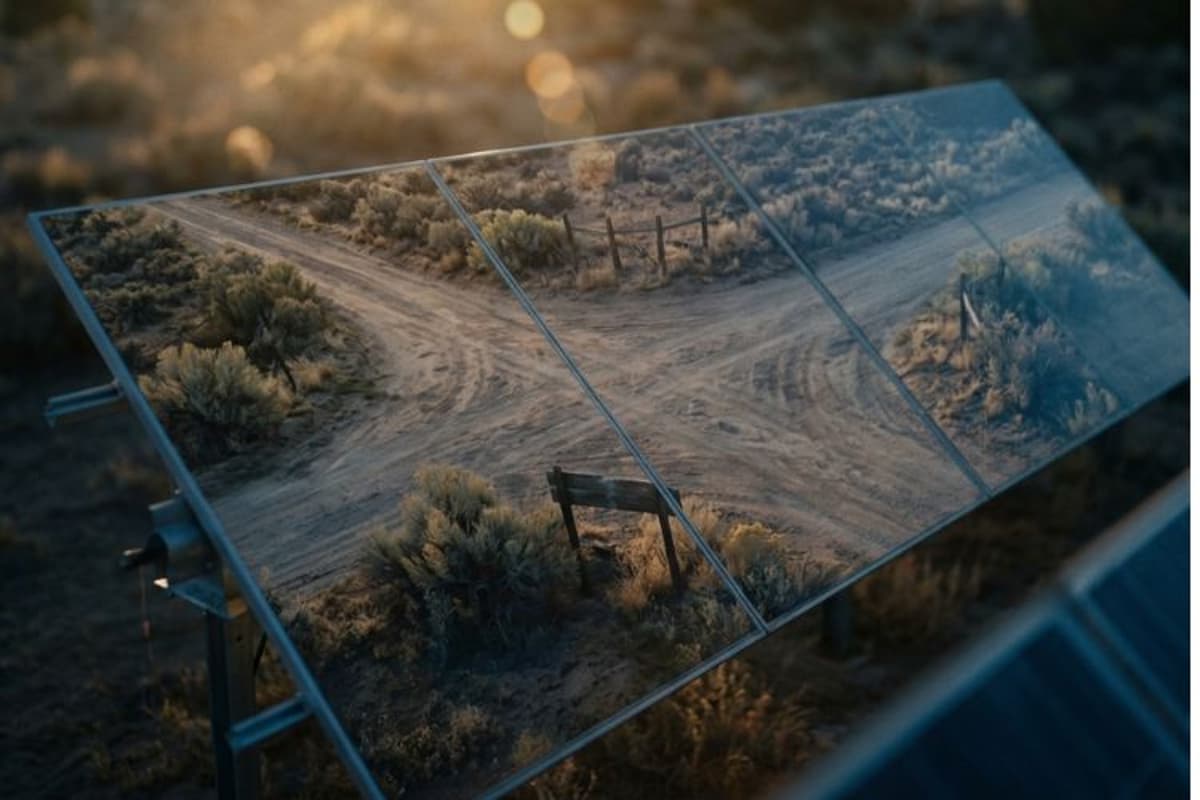
Utilities at a Crossroads: Adopt Distributed Solar or Risk Becoming a Backup Plan
Why It Matters
Adopting distributed solar reshapes utility revenue models and accelerates climate targets, while delays could erode competitiveness and grid resilience.
Key Takeaways
- •xAI adds 19 gas turbines for AI data center power
- •Ford rebuilds EV program amid market pressure
- •NERC Category 2 expands oversight to inverter resources
- •Hull Street acquires FirstLight hydro assets
- •MISO launches $1.6 B Illinois transmission projects
Pulse Analysis
The utility sector stands at a crossroads, with distributed solar emerging as both a threat and an opportunity. Traditional utilities built on centralized generation now confront a proliferation of rooftop and community solar installations that can shave load from the grid and reduce wholesale electricity purchases. Companies that integrate these resources into their planning can capture new revenue streams through grid‑services contracts, demand‑response programs, and renewable‑energy credits, while those that cling to legacy models risk becoming mere backup providers in a market that increasingly values flexibility and sustainability.
Compounding the strategic dilemma are regulatory and technological shifts that accelerate change. The recent NERC Category 2 deadline brings inverter‑based resources—solar, wind, and storage—under stricter compliance, forcing owners to invest in monitoring, reporting, and cyber‑security measures. Simultaneously, advances in battery storage, highlighted by Fluence’s claim that storage underpins the AI economy, provide utilities with tools to balance intermittent solar output and support data‑center loads. Adaptive AI solutions for grid inspection further enhance operational efficiency, reducing outage costs and enabling faster integration of distributed assets.
Infrastructure investments signal that the grid’s backbone is still evolving. MISO’s $1.6 billion, 200‑mile transmission projects in Illinois illustrate a commitment to high‑voltage corridors that can transport renewable power across regions. Meanwhile, corporate moves like Hull Street Energy’s acquisition of FirstLight’s hydro and pumped‑storage assets diversify utility portfolios with firm, low‑carbon generation. For utilities, the imperative is clear: blend large‑scale transmission upgrades with distributed solar and storage to stay relevant, meet climate mandates, and deliver reliable power in an increasingly decentralized energy ecosystem.
Utilities at a crossroads: Adopt distributed solar or risk becoming a backup plan
Comments
Want to join the conversation?
Loading comments...