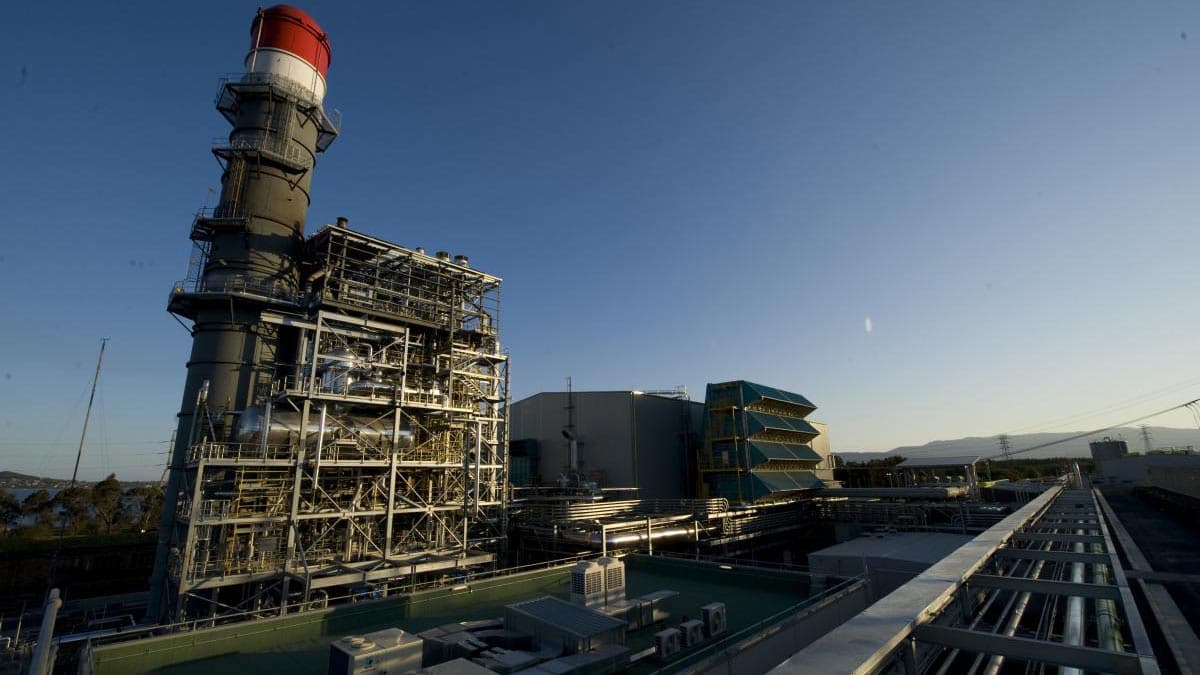
Utility Giant Bets Big on Data Centre Demand with Plans to Build Australia’s Biggest Gas Plant
Companies Mentioned
Why It Matters
The expansion provides critical dispatchable power to support a high‑renewables grid, reducing the risk of supply shortfalls as coal exits the market. It also signals continued reliance on gas despite the growth of batteries and firmed renewables, shaping Australia’s long‑term energy mix.
Key Takeaways
- •EnergyAustralia seeks 1.43 GW gas plant at Marulan, NSW
- •Plant will operate as fast‑start OCGT peaking unit
- •Project targets grid reliability amid coal retirements and data‑centre demand
- •AEMO forecasts up to 15 GW new gas capacity needed by 2050
- •EnergyAustralia aims to commission plant by 2032 despite rising gas costs
Pulse Analysis
Australia’s power system is at a crossroads, with coal retirements accelerating and data‑centre clusters demanding ever‑greater electricity. The National Electricity Market (NEM) now relies heavily on wind and solar, but their variable output creates periods of low supply that must be bridged by fast‑acting resources. Gas‑fired generators, especially open‑cycle turbines, can start within minutes, offering the kind of firming capacity that batteries and solar‑plus‑storage struggle to match at scale. EnergyAustralia’s proposal to expand the Marulan site to 1.43 GW directly addresses this need, positioning the plant as a strategic back‑stop for peak demand and renewable dips.
The proposed plant marks a significant shift from the original mixed‑technology design, abandoning combined‑cycle baseload in favor of pure peaking capability. While the project is described as a "multi‑billion‑dollar" venture—roughly $2‑3 billion USD—it faces a cost paradox: gas fuel prices have surged, yet the unit cost of firmed renewables and large‑scale batteries continues to fall. EnergyAustralia’s existing battery portfolio, including the 350 MW Wooreen BESS, demonstrates its recognition of storage’s growing role, but the firm believes that only gas can reliably deliver megawatt‑hour bursts when the sun isn’t shining and the wind isn’t blowing. This stance underscores the industry’s view that a hybrid approach—combining storage, renewables, and flexible gas—remains essential for grid stability.
Policy makers and investors are watching the Marulan bid closely, as it could set a precedent for future gas projects in a market increasingly focused on decarbonisation. The Australian Energy Market Operator projects a need for up to 15 GW of new gas capacity by 2050, but that figure assumes gas will be used sparingly, primarily for emergency firming. If the Marulan plant proceeds, it may encourage other utilities to pursue similar fast‑start assets, potentially locking in additional gas infrastructure at a time when climate targets demand rapid emissions reductions. Conversely, successful integration of battery storage and firmed renewables could diminish the economic case for new gas, prompting a re‑evaluation of long‑term investment strategies in the NEM.
Utility giant bets big on data centre demand with plans to build Australia’s biggest gas plant
Comments
Want to join the conversation?
Loading comments...