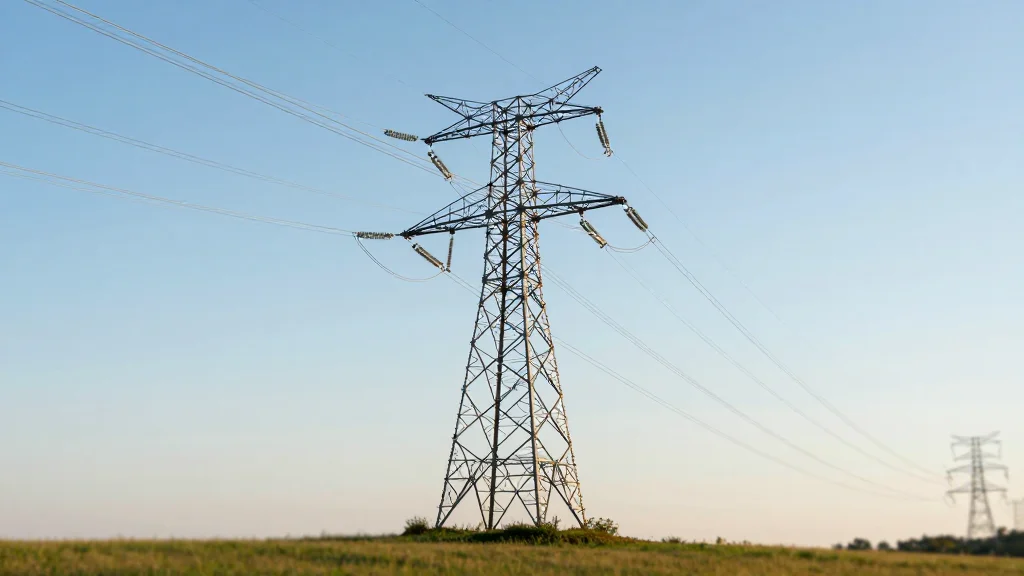
Utility Investment Plans Jump 21%, Further Threatening Affordability: PowerLines
Why It Matters
The expanded capex and higher rate‑increase requests threaten household electricity bills, especially in the South, and could reshape regulatory and investment strategies across the U.S. power sector.
Key Takeaways
- •IOU capex rises 21% to $1.4 trillion through 2030.
- •Southeast utilities plan $572 billion, double any other U.S. region.
- •Rate‑increase requests jumped to $31 billion, over twice 2024 demand.
- •Data centers and AI workloads drive 224 GW peak demand growth.
- •Duke Energy leads with $103 billion five‑year investment plan.
Pulse Analysis
Utility capital spending is accelerating at an unprecedented pace, with investor‑owned utilities announcing a 21% jump in five‑year plans to $1.4 trillion by 2030. This surge reflects the need to modernize aging grids, expand transmission capacity, and fund wildfire mitigation, but it also signals a potential shift in cost allocation to ratepayers. Analysts note that while utilities claim these projects will spread costs over decades, the immediate impact is a steep rise in rate‑increase requests, which have already doubled to $31 billion for the upcoming year.
The geographic distribution of the spending underscores a regional affordability challenge. The Southeast, home to fast‑growing data centers, AI hyperscalers, and crypto mining operations, is slated for $572 billion in capex—more than any other U.S. region. This concentration amplifies rate‑hike pressure on a population already uneasy about energy bills, with 73% of Americans expressing concern about future increases. Utilities such as Duke Energy, with a $103 billion five‑year plan, argue that larger customer bases will dilute fixed‑cost burdens, yet critics argue that speculative load forecasts risk overbuilding and inflating costs.
For investors and policymakers, the data suggest a delicate balancing act. Higher utility spending may attract infrastructure‑focused capital, but regulators must scrutinize cost recovery mechanisms to protect consumers. States in the South, historically slower to shield residents from rate spikes, may face heightened political pressure to implement rate caps or targeted subsidies. Meanwhile, the broader industry must reconcile the need for resilient, low‑carbon grids with the imperative of keeping electricity affordable for the average American household.
Utility investment plans jump 21%, further threatening affordability: PowerLines
Comments
Want to join the conversation?
Loading comments...