Valaris’ Batch of Rig Deals Lifts Total Contract Backlog to $4.9 Billion
Companies Mentioned
Why It Matters
The surge in backlog strengthens Valaris’ revenue visibility and positions the upcoming merger with Transocean to create a dominant offshore drilling player, while the new contracts reflect renewed upstream investment amid improving market fundamentals.
Key Takeaways
- •Valaris backlog rises to $4.9 billion, highest in a decade
- •DS‑4 drillship extension adds $447 million, runs through 2030
- •Jack‑up contracts contribute $107 million across Brazil, Indonesia, North Sea
- •All‑stock merger with Transocean aims to create $17 billion entity
- •Strategic partnership with Petronas and Halliburton targets Suriname offshore development
Pulse Analysis
The offshore drilling sector has been edging out of the pandemic‑induced slump, driven by higher oil prices and renewed capital spending by major producers. In that environment, Valaris’ latest backlog of roughly $4.9 billion marks its strongest position in nearly ten years, providing a clear revenue runway through 2026 and beyond. Backlog growth signals that customers are locking in day‑rate contracts to secure vessel availability, especially for deep‑water drillships that are in short supply. This uptick also reflects broader market confidence that geopolitical tensions are translating into higher demand for domestic energy security.
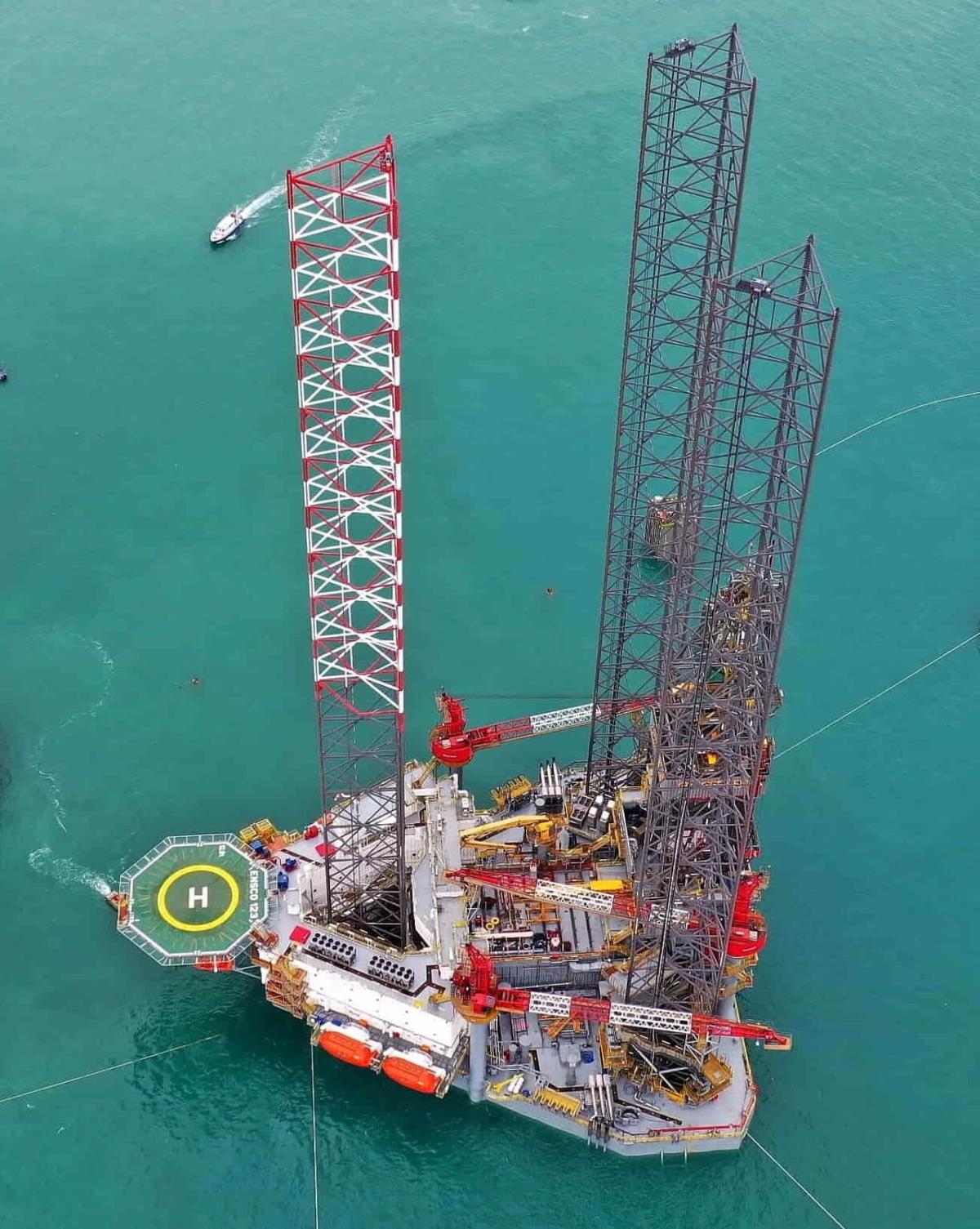
Valaris secured a 1,064‑day extension for its DS‑4 drillship with Brazil’s Petrobras, a deal worth about $447 million and extending work into 2030. Complementary jack‑up contracts in Brunei, Indonesia and the North Sea add another $107 million, while a series of accommodation‑support contracts diversify revenue streams into offshore wind projects. The company’s strategic narrative is reinforced by an all‑stock merger with Transocean, which would combine roughly 73 rigs into a $17 billion offshore drilling powerhouse. A parallel collaboration with Petronas and Halliburton aims to unlock Suriname’s offshore reserves, further broadening Valaris’ asset base.
For investors, the expanded backlog reduces earnings volatility and improves cash‑flow predictability, key metrics in a capital‑intensive industry. The pending Transocean merger promises cost synergies, a larger fleet footprint, and the ability to service any water depth, positioning the combined entity to capture market share as offshore activity rebounds. Meanwhile, Valaris’ focus on strategic partnerships and diversified contract types, including wind‑related work, hedges against oil‑price swings and aligns the firm with the energy transition. Overall, the moves suggest a more resilient and growth‑oriented offshore drilling landscape.
Valaris’ batch of rig deals lifts total contract backlog to $4.9 billion
Comments
Want to join the conversation?
Loading comments...