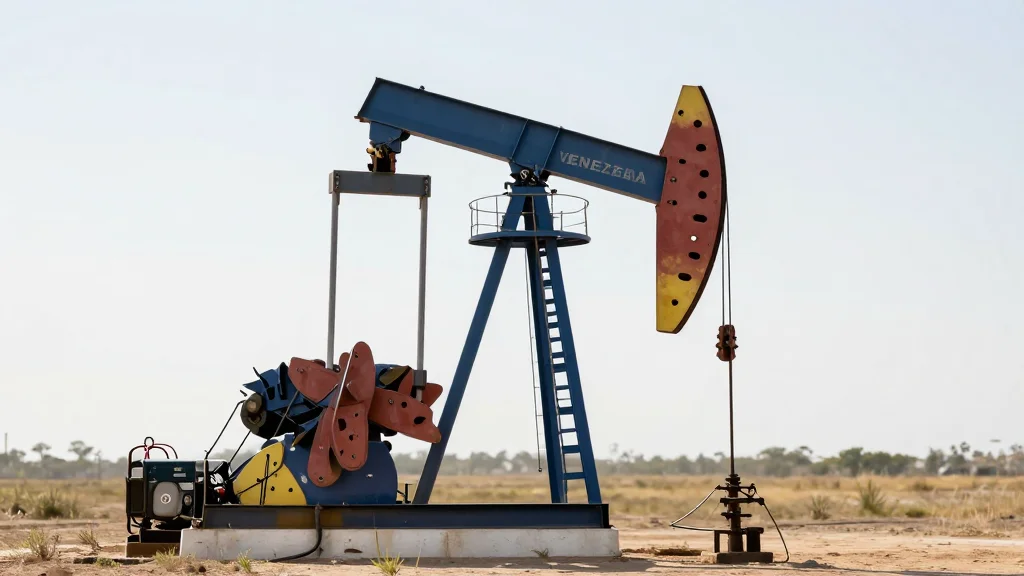
Venezuela Wants Oil Firms to Supply Their Own Power for Projects
Companies Mentioned
Why It Matters
Self‑generated power will protect oil output from grid failures, making Venezuelan crude more dependable for investors, while adding significant cost and infrastructure demands on companies operating in the country.
Key Takeaways
- •Draft oil law forces firms to generate power on site.
- •Over 95% of Chevron's Orinoco wells depend on unreliable national grid.
- •Hydro plants at 60% capacity; thermoelectric at 20%, leaving 2,000‑3,000 MW shortfall.
- •Private generators currently power less than 5% of oil rigs.
- •Self‑generation could protect the public grid from further overloads.
Pulse Analysis
Venezuela’s oil revival is being hampered by a chronically weak electricity system. Decades of under‑investment and corruption have left hydroelectric plants operating at roughly 60 % of capacity and thermoelectric facilities at just 20 %, creating a nationwide shortfall of 2,000‑3,000 megawatts. Frequent blackouts disrupt not only households but also the electric motors that drive oil‑field equipment, forcing wells to shut down until power stabilises. The problem became starkly visible in April when a grid failure halted production at Chevron’s 827 wells in the Orinoco Belt, underscoring the urgency of a reliable power supply for any expansion of output.
In response, a draft amendment to Venezuela’s oil law now obliges foreign and domestic operators to become self‑sufficient in electricity generation within oil and gas fields. The regulation explicitly permits private firms to install and run their own power plants, effectively taking critical assets off the national grid. For investors, this creates both a cost hurdle and an operational safeguard: while less than 5 % of current rigs rely on on‑site generators, the new rule could push that figure dramatically higher. Companies such as Chevron, which already see over 95 % of their wells tied to the unreliable grid, must now budget for generators or dedicated mini‑plants to avoid costly production downtime.
The shift toward off‑grid power has broader market ramifications. By insulating oil production from Venezuela’s electricity woes, self‑generation could make the country’s crude more attractive to global buyers, potentially accelerating the flow of investment that followed the easing of U.S. sanctions earlier this year. However, the added capital expense may deter smaller players lacking deep pockets, concentrating activity among major oil majors and state‑linked partners. Moreover, diverting fuel and equipment to private plants risks further straining the already scarce domestic energy resources, raising questions about the long‑term sustainability of a model that relies heavily on imported generators and diesel.
Venezuela Wants Oil Firms to Supply Their Own Power for Projects
Comments
Want to join the conversation?
Loading comments...