Vesper Energy Breaks Ground and Secures $236 Million for Another Huge Solar Project in Texas
Companies Mentioned
Why It Matters
The financing and rapid start‑up underscore growing investor confidence in large‑scale U.S. solar, while the project’s local economic commitments and agrivoltaic model illustrate how renewable developments can deliver both clean power and regional benefits.
Key Takeaways
- •Vesper secured $236 M debt financing for 201 MW Nazareth Solar.
- •Construction started in Tulia; completion slated for fall 2027.
- •Project will power ~53,000 homes and generate 409,248 modules.
- •$34 M pledged for local services and landowner income.
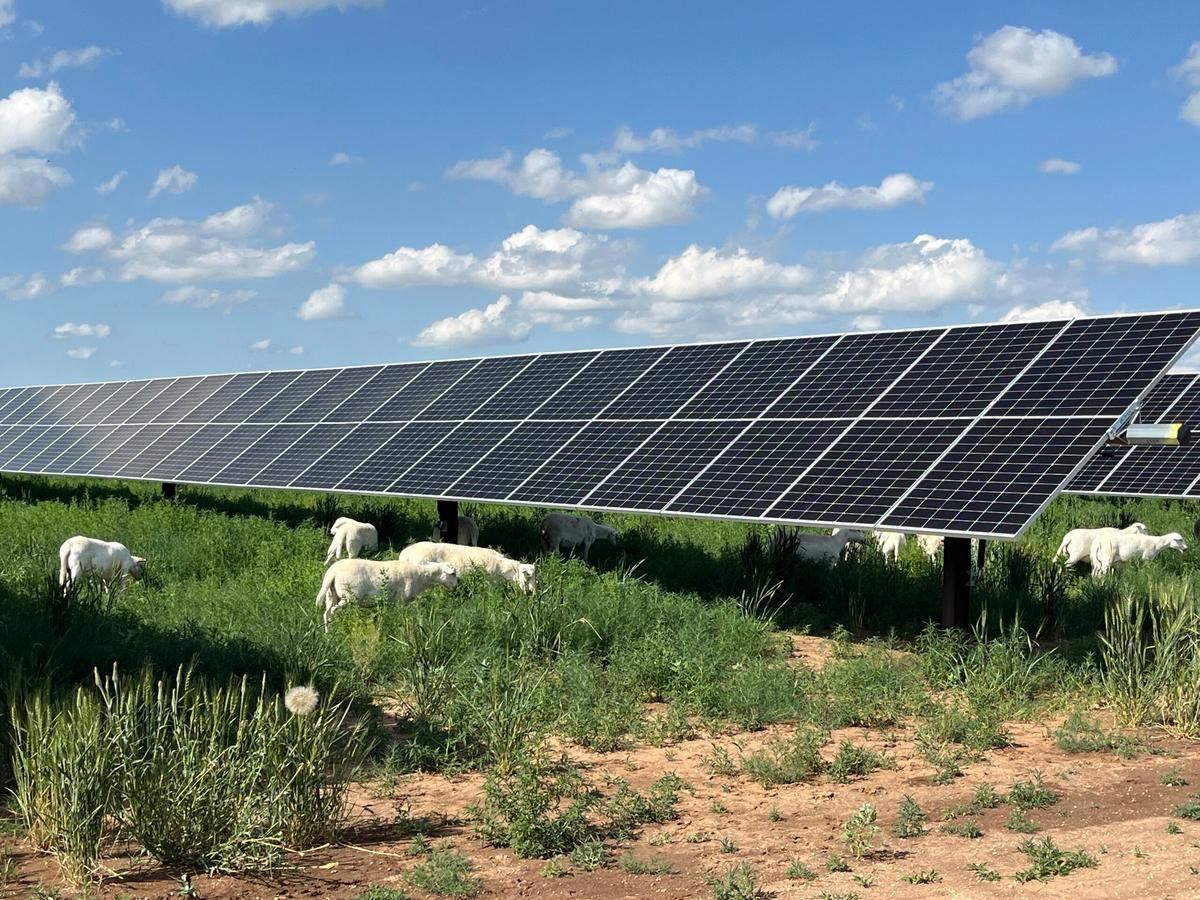
- •Vesper explores agrivoltaics, integrating sheep grazing on private land.
Pulse Analysis
Texas continues its rapid ascent as a hub for utility‑scale solar, driven by abundant land, strong transmission access and a business‑friendly regulatory climate. Vesper Energy’s latest financing round, led by MUFG, Associated Bank, Bayern LB and equity from GCM Grosvenor, reflects a broader trend of diversified capital sources—both debt and equity—supporting projects that exceed 200 MW. By locking in a 15‑year power purchase agreement, Vesper mitigates market risk and secures a steady revenue stream, a model that investors increasingly favor for its predictability and alignment with ESG mandates.
The Nazareth Solar site, adjacent to Vesper’s 600 MW Hornet agrivoltaics project, showcases how developers can leverage existing relationships and infrastructure to accelerate new builds. With 409,248 photovoltaic modules spread across 2,400 acres, the plant will inject roughly 1.2 GW of clean capacity into the ERCOT grid via ONCOR’s Ozark Trail Switchyard. Beyond electricity, the project commits $34 million over its lifetime to local services and guarantees income for landowners, reinforcing the economic case for private‑land solar development in rural communities.
Looking ahead, Vesper’s pipeline—including the Hornet II 200 MW solar‑plus‑storage venture—signals a strategic shift toward hybrid assets that pair generation with battery storage to enhance grid reliability. The integration of agrivoltaic practices, such as sheep grazing, further differentiates Vesper by adding ancillary revenue streams and promoting sustainable land stewardship. As financing mechanisms evolve and policy incentives persist, projects like Nazareth set a benchmark for how large‑scale solar can simultaneously meet energy demand, attract capital, and deliver tangible community benefits.
Vesper Energy breaks ground and secures $236 million for another huge solar project in Texas
Comments
Want to join the conversation?
Loading comments...