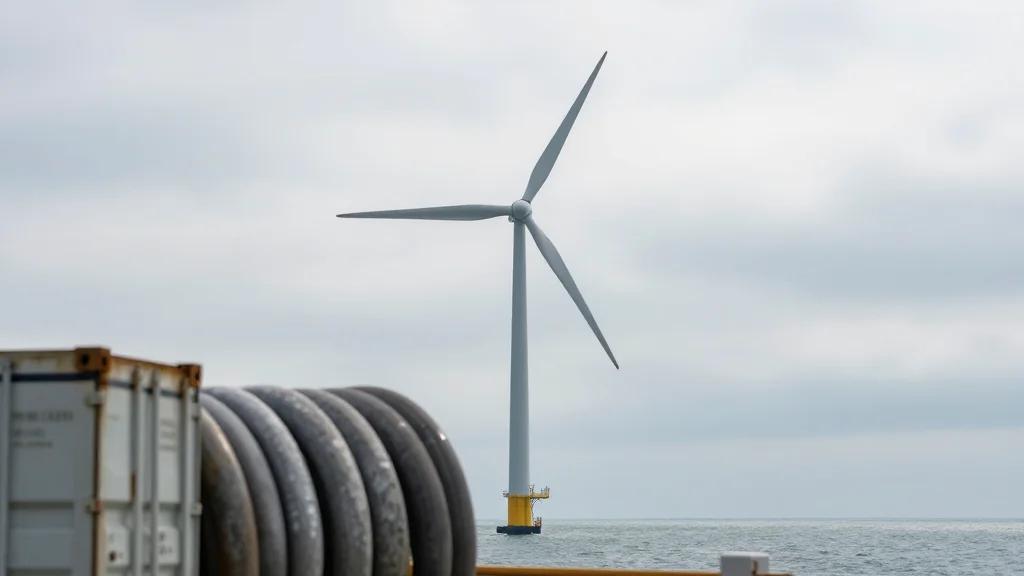
Vestas CEO Warns of 'Real Killers and Poison' To Offshore Wind in Impassioned Remarks
Why It Matters
If unaddressed, these constraints could erode offshore wind’s cost advantage and delay Europe’s net‑zero timeline, prompting investors to reconsider exposure to the sector.
Key Takeaways
- •Supply‑chain bottlenecks add $2‑3 billion annual cost to offshore projects
- •Iran’s energy crisis amplifies geopolitical risk for renewable financing
- •Danish permitting delays risk slowing Europe’s 2030 wind capacity goal
- •Rising steel prices threaten to push turbine CAPEX above $1,200/kW
- •Andersen calls for industry‑wide standardisation to cut project complexity
Pulse Analysis
The offshore wind market, now worth over $150 billion globally, is at a crossroads. Vestas CEO Henrik Andersen’s stark warning at the WindEurope summit underscores how supply‑chain fragilities—particularly the surge in steel and composite prices—are inflating turbine capital expenditures. When a single turbine’s cost climbs past $1,200 per kilowatt, developers must either secure higher equity or accept longer payback periods, a dynamic that could deter new financing and slow pipeline growth. By flagging these "real killers," Andersen is urging manufacturers, developers, and policymakers to lock in long‑term material contracts and streamline logistics, a move that could shave millions off project budgets.
Geopolitical turbulence adds another layer of uncertainty. The ongoing Iran energy crisis has rippled through global commodity markets, tightening credit conditions and prompting investors to scrutinise exposure to regions with heightened political risk. For offshore wind, which relies heavily on cross‑border financing and multinational supply chains, such volatility can translate into higher risk premiums and stricter loan covenants. Andersen’s call for coordinated policy responses—such as harmonised permitting frameworks and stable subsidy regimes—aims to insulate the sector from external shocks and maintain its trajectory toward cost parity with fossil fuels.
Finally, Andersen’s personal embarrassment about Denmark’s permitting pace highlights a broader European challenge: regulatory inertia. While the EU targets 300 GW of offshore capacity by 2030, many member states still grapple with lengthy approval processes that add months, if not years, to project timelines. Accelerating these procedures through digital permitting platforms and shared best practices could unlock billions in economic activity and job creation. In short, addressing supply‑chain, geopolitical, and regulatory hurdles is essential for offshore wind to remain a cornerstone of the continent’s clean‑energy transition.
Vestas CEO warns of 'real killers and poison' to offshore wind in impassioned remarks
Comments
Want to join the conversation?
Loading comments...