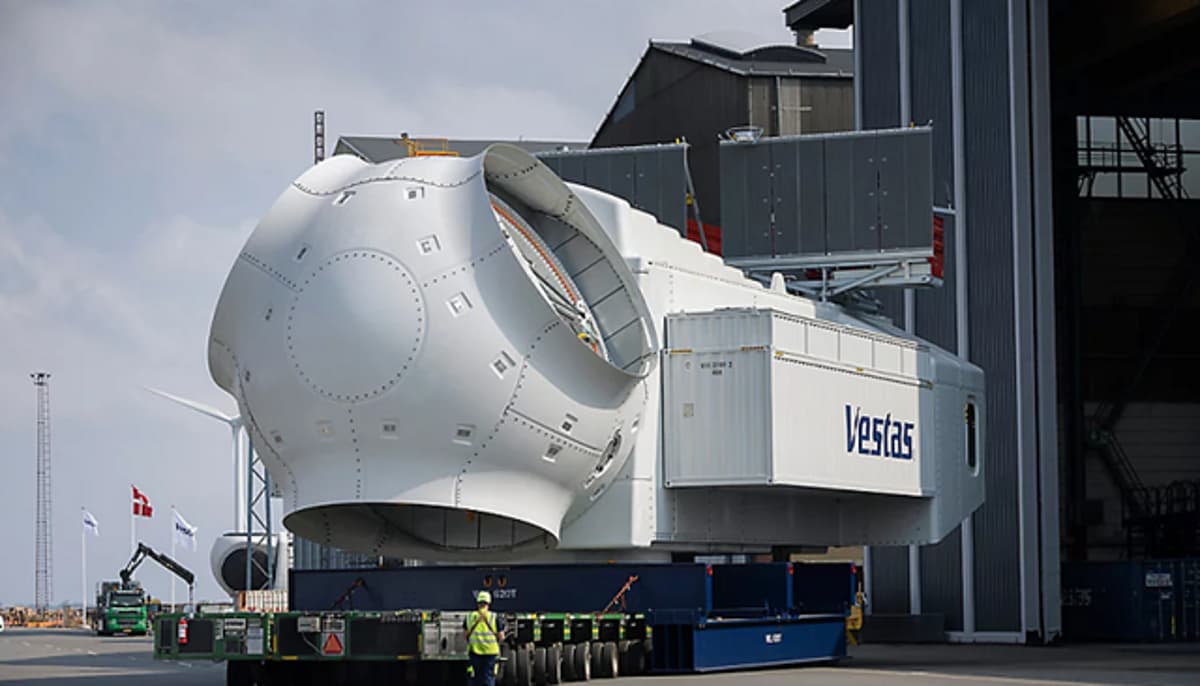
Vestas Signs Japan Nacelle Factory MoU
•March 9, 2026
0
Why It Matters
The deal accelerates Japan’s push for large‑scale onshore and offshore wind, reducing reliance on imports and bolstering energy security while creating a home‑grown turbine supply chain.
Key Takeaways
- •Vestas and METI target 2029 final nacelle assembly in Japan
- •Full nacelle production roadmap aims for 2039 completion
- •MoUs with Nippon Express and DENZAI boost logistics and engineering
- •Project depends on firm orders via Japan’s wind auction system
- •Partnership strengthens Japan’s domestic wind supply chain
Pulse Analysis
Japan’s renewable energy roadmap has set ambitious wind capacity targets, but domestic manufacturing has lagged behind demand. By partnering with Vestas, the world’s leading wind turbine supplier, METI aims to close this gap, leveraging Vestas’ technical expertise to fast‑track nacelle production. The 2029 milestone for final‑stage assembly signals a shift from reliance on imported components toward a more resilient, locally sourced value chain, aligning with the government’s broader energy‑security objectives.
The MoUs with Nippon Express and DENZAI add critical depth to the supply‑chain strategy. Nippon Express will handle logistics and operations‑and‑maintenance services, ensuring that heavy turbine components move efficiently across Japan’s archipelago. DENZAI’s engineering capabilities, from crane allocation to installation planning, address the practical challenges of scaling up both onshore and offshore projects. Together, these agreements create a coordinated ecosystem that can respond quickly to auction‑driven order flows, a prerequisite for meeting the aggressive deployment timelines outlined in the Vestas‑METI roadmap.
For investors and industry observers, the partnership signals a maturing Japanese wind market with clearer pathways to profitability. Domestic nacelle assembly reduces import tariffs and currency exposure, while fostering local job creation and technology transfer. As Japan’s auction system begins to allocate sizable contracts, Vestas’ early foothold positions it to capture a substantial share of future turbine orders, reinforcing its global market leadership and supporting Japan’s transition to a low‑carbon energy mix.
Vestas signs Japan nacelle factory MoU
0
Comments
Want to join the conversation?
Loading comments...