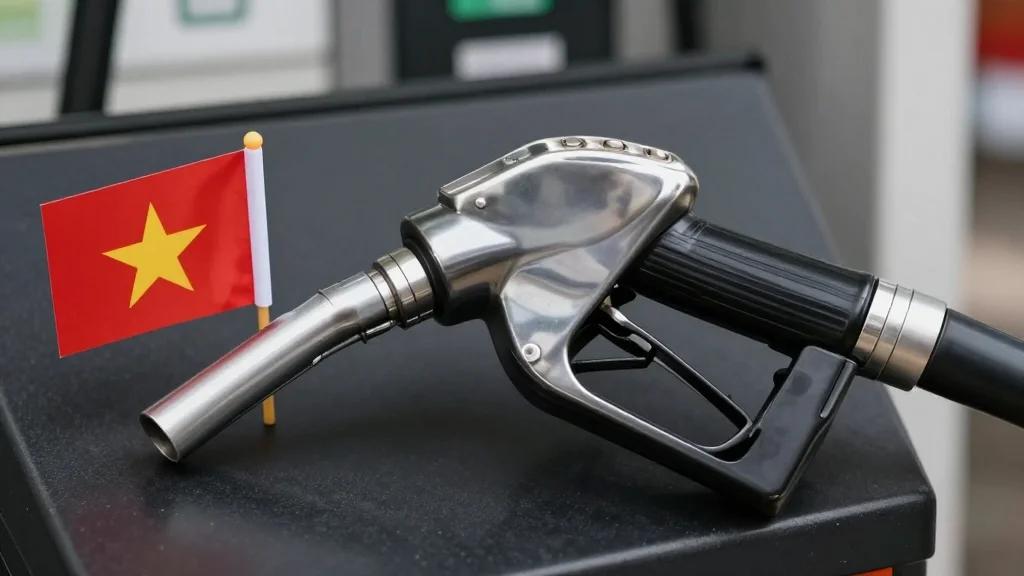
Vietnam Proposes Environmental Fuel Tax Cuts Amid Middle East-Driven Oil Volatility
Why It Matters
The tax reduction aims to ease inflationary pressure on households and businesses while risking a slowdown in the country's transition to cleaner energy sources.
Key Takeaways
- •Vietnam halves fuel environmental tax to VND 1,000 per litre
- •Tax cut reduces state revenue by $68 million monthly
- •Measure aims to curb inflation amid global oil volatility
- •Similar temporary fuel tax reductions seen in Europe, Asia
- •Short‑term relief may delay Vietnam’s clean energy transition
Pulse Analysis
Vietnam’s proposal to slash its environmental protection tax on fuel reflects a pragmatic response to soaring global oil prices and domestic inflation concerns. By halving the levy on gasoline and reducing diesel taxes by 50%, the government hopes to lower transport costs for consumers and businesses, thereby cushioning the economy from volatile energy markets. However, the move also trims roughly VND 1.79 trillion in monthly revenue, highlighting the fiscal trade‑off between short‑term price stability and long‑term fiscal health.
The policy aligns with a broader pattern observed during the 2022‑2023 energy crisis, where many OECD and Asian nations temporarily eased fuel taxes or introduced subsidies to shield households from price spikes. Germany, Italy, Spain, South Korea and India all implemented similar relief packages, underscoring the political sensitivity of energy pricing during periods of market stress. While such measures provide immediate consumer relief, they also dilute price signals that encourage energy efficiency and lower emissions, a concern echoed by the International Energy Agency.
For Vietnam, the challenge lies in balancing macro‑economic stability with its climate commitments. The temporary tax cut may help meet inflation targets and support socio‑economic development goals for 2026, but it could also delay the shift toward cleaner fuels and electric mobility. Policymakers will need to design complementary measures—such as targeted subsidies for low‑carbon technologies—to ensure that short‑term fiscal relief does not undermine the country’s longer‑term decarbonisation pathway.
Vietnam proposes environmental fuel tax cuts amid Middle East-driven oil volatility
Comments
Want to join the conversation?
Loading comments...