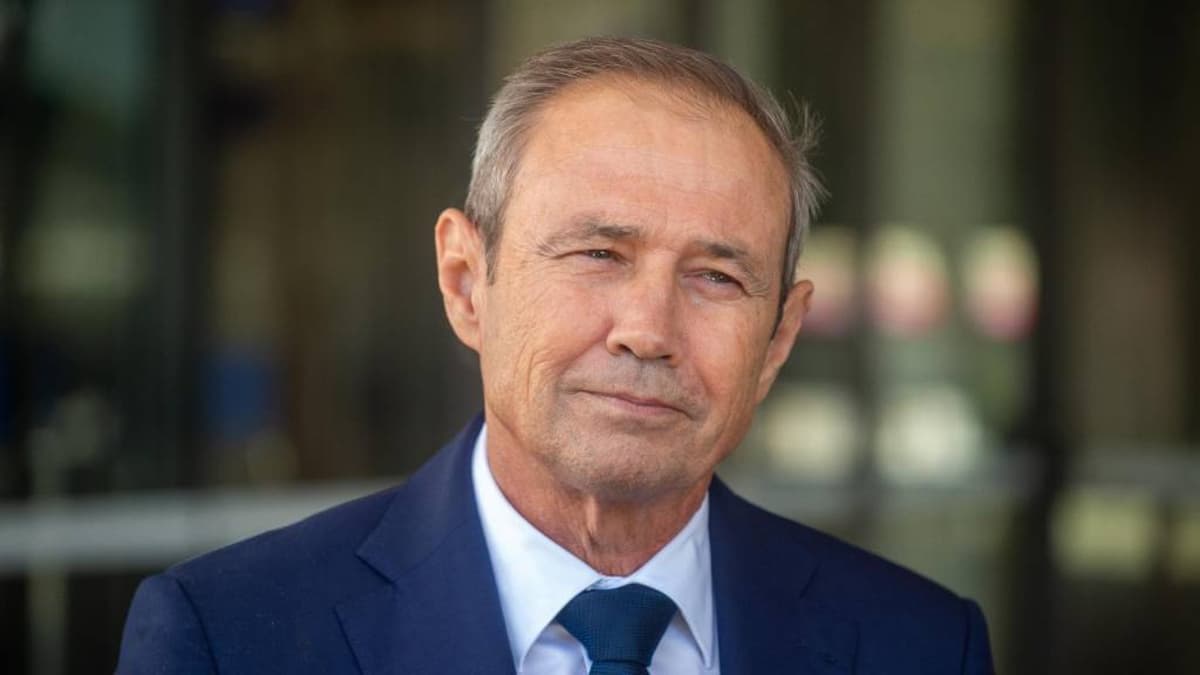
WA Decarbonisation Mission Backed by $1.4 Billion Fund
Why It Matters
State‑level financing of nearly $1 billion underscores Australia’s shift toward renewable infrastructure, promising lower power costs and stronger grid resilience. It also positions Western Australia as a key player in the national clean‑energy transition.
Key Takeaways
- •AUD 1.4 bn fund (~$920 m) earmarked for clean energy projects.
- •Clean Energy Link aims to serve 1 million households.
- •Project adds high‑capacity lines, terminals, substations to SWIS.
- •Investment expected to lower energy costs and boost grid reliability.
Pulse Analysis
Western Australia has long relied on coal‑fired generation and natural‑gas exports to power its economy. Rising electricity prices and mounting pressure to meet national emissions targets have forced policymakers to rethink the energy mix. By earmarking AUD 1.4 billion—approximately $920 million USD—in its 2026‑27 budget, the state signals a decisive pivot toward large‑scale renewable integration, echoing similar moves in New South Wales and Queensland.
The centerpiece of the fund, the Clean Energy Link (CEL), is designed to connect offshore wind and solar farms to the South West Interconnected System (SWIS). The project will install high‑capacity transmission corridors, new substations, and advanced transformers, extending clean power to roughly one million homes. Beyond environmental benefits, the infrastructure upgrade is expected to reduce transmission losses, improve grid stability, and create thousands of construction and engineering jobs. Early estimates suggest that households could see electricity bills dip by up to 5 percent once the link becomes operational.
Australia’s broader renewable agenda stands to gain from WA’s investment. The fund not only accelerates the state’s own decarbonisation timeline but also enhances its export potential for green hydrogen and renewable‑energy technology. Private investors are likely to follow the government’s lead, attracted by clear policy support and a sizable market. As other jurisdictions watch, Western Australia’s approach may become a template for financing the transition from fossil‑fuel dependence to a resilient, low‑carbon energy future.
WA decarbonisation mission backed by $1.4 billion fund
Comments
Want to join the conversation?
Loading comments...