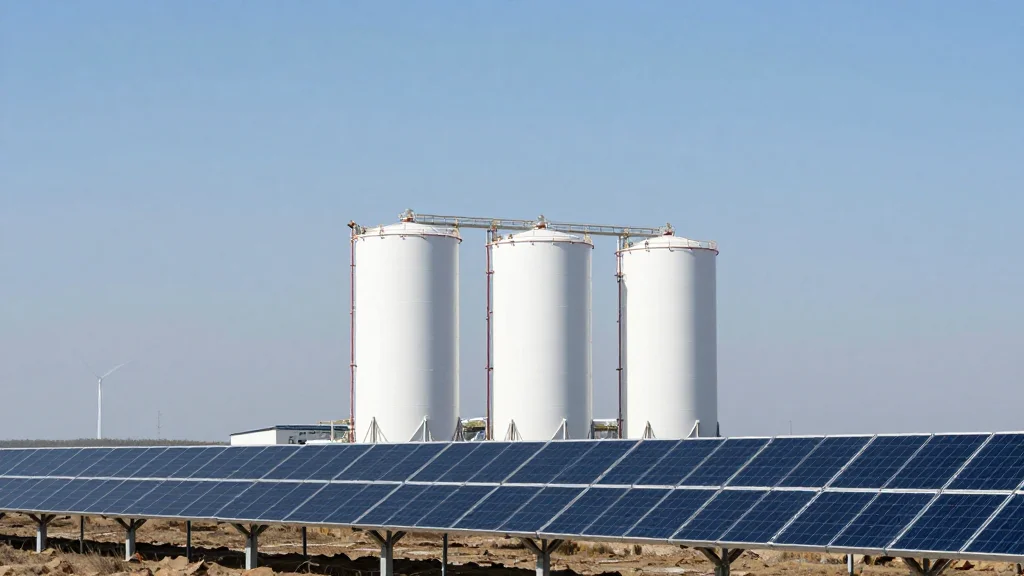
WA Government Admits Emissions May Rise as It Abandons Reduction Targets
Why It Matters
The policy change signals a potential increase in WA’s carbon output, challenging Australia’s collective net‑zero pathway and raising questions about the effectiveness of state‑driven climate strategies.
Key Takeaways
- •WA drops interim emissions targets, adopts Green Energy Powerhouse Bill
- •Premier says emissions may rise to support global decarbonisation
- •New bill focuses on renewable generation, CCS, and green exports
- •Critics warn reliance on carbon capture undermines genuine emission cuts
Pulse Analysis
Western Australia has long been a paradox in Australia’s climate landscape: rich in fossil‑fuel resources yet positioned as a future hub for renewable energy. The state’s Climate Change Bill, which initially promised interim emissions targets for 2023, stalled in parliament. In its place, the Green Energy Powerhouse Bill now sets a framework centered on renewable‑energy capacity, carbon capture and storage (CCS), and the export of low‑carbon commodities. By scrapping short‑term reduction metrics, the government argues that a broader decarbonisation agenda—supporting global supply chains through gas and critical minerals—justifies a divergent emissions trajectory.
The decision carries significant economic and political weight. Premier Roger Cook and Minister Amber‑Jade Sanderson contend that a temporary rise in state emissions is acceptable if it accelerates worldwide clean‑energy adoption. Industry lobbyists have welcomed the emphasis on CCS, viewing it as a pathway to unlock new gas projects and maintain export revenues. However, environmental advocates contend that the reliance on unproven CCS technology risks postponing genuine cuts, especially as WA’s emissions have risen steadily since 2005 due to mining expansion. The move also highlights the tension between state autonomy and the federal net‑zero by 2050 mandate, raising concerns about policy fragmentation across Australia’s jurisdictions.
Nationally, WA’s approach could reshape investment flows and regulatory expectations. Investors seeking clear, measurable climate targets may view the absence of interim benchmarks as a risk, potentially affecting financing for renewable projects. Conversely, the focus on green exports and CCS could attract capital tied to emerging low‑carbon markets. For policymakers, the episode underscores the need for a coordinated Australian emissions framework that balances regional industry realities with the urgency of global climate commitments. As other states maintain stricter interim goals, WA’s strategy will be closely watched for its real impact on Australia’s overall emissions trajectory.
WA government admits emissions may rise as it abandons reduction targets
Comments
Want to join the conversation?
Loading comments...