Waaree, ZFI Sign 2.5 MW Electrolyser-as-a-Service Agreement; Inks MoU for 50 MW Green Hydrogen Expansion
•February 23, 2026
0
Companies Mentioned

Why It Matters
The deal showcases a scalable, decentralized model that accelerates India’s green‑hydrogen production while providing long‑term, predictable revenue streams for electrolyser manufacturers.
Key Takeaways
- •2.5 MW electrolyser to produce 4.1 M Nm³ hydrogen annually
- •Waaree will operate system under 15‑year EAAS contract
- •MoU targets 50 MW electrolyser deployment across northern India
- •Capacity scaling to 10,000 m³/h within five years
- •Supports India's 5 Mt/yr green hydrogen national mission
Pulse Analysis
India’s green‑hydrogen ambition is being driven by a mix of national targets and state policies that reward low‑carbon fuel production. The National Green Hydrogen Mission aims for five million tonnes annually, while states like Uttar Pradesh offer subsidies and streamlined approvals under dedicated hydrogen policies. This regulatory backdrop creates a fertile environment for projects that can be deployed quickly and cost‑effectively, especially in regions with abundant renewable power. Decentralized electrolyser solutions, which sit close to renewable generation sites, reduce transmission losses and enable flexible scaling.
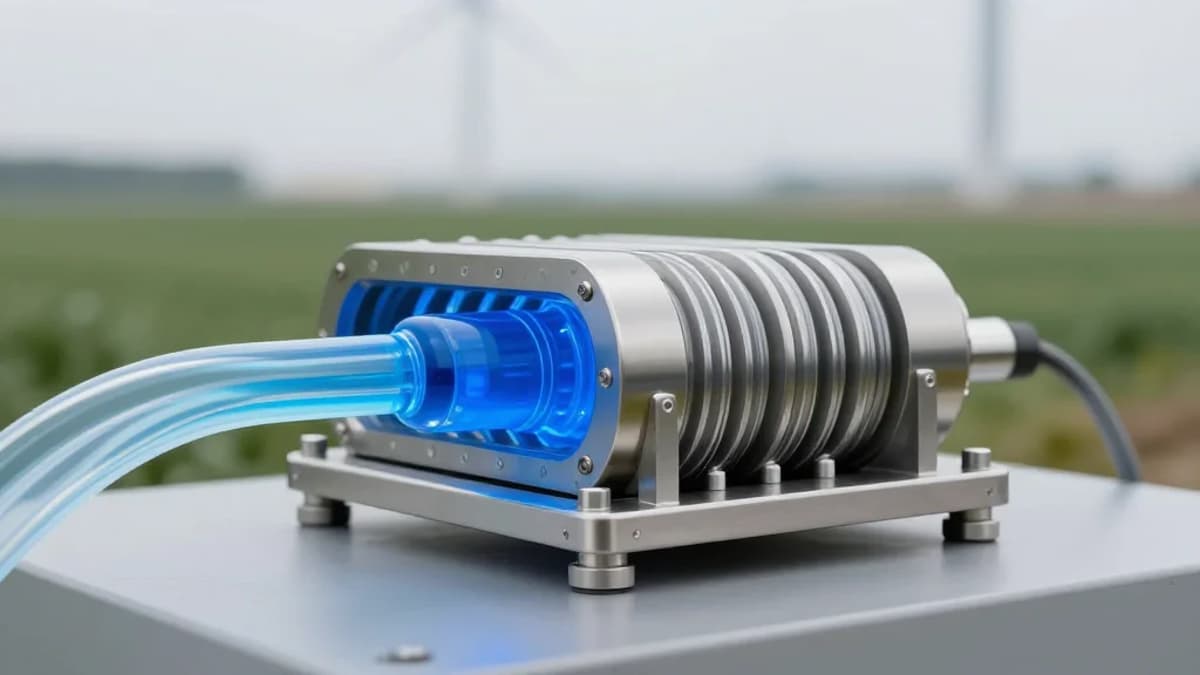
The Waaree‑ZFI collaboration leverages an electrolyser‑as‑a‑service (EAAS) model that shifts capital risk from developers to the equipment provider. Waaree will design, build, own, and operate the 2.5 MW alkaline electrolyser, delivering 4.1 million normal cubic metres of hydrogen per year and a complementary oxygen stream for industrial customers. By retaining ownership, Waaree can guarantee performance, manage maintenance, and offer predictable pricing over a 15‑year term. The MoU’s broader 50 MW roadmap envisions multiple modular plants, each capable of scaling from an initial 500 m³/h to 10,000 m³/h, illustrating how EAAS can accelerate capacity rollout without requiring each client to invest in full‑stack hardware.
Beyond the immediate project, the agreement signals a maturing market for green‑hydrogen infrastructure in India. Predictable, long‑term contracts provide electrolyser manufacturers with revenue visibility, encouraging further R&D investment and cost reductions. For end‑users in chemicals, steel, pharma and mentha‑oil sectors, the availability of on‑site green hydrogen and oxygen supports a transition away from grey fuels, enhancing sustainability credentials and compliance with emerging carbon‑pricing regimes. As more decentralized plants come online, supply chain resilience improves, positioning India as a potential export hub for green hydrogen and related by‑products in the coming decade.
Waaree, ZFI sign 2.5 MW electrolyser-as-a-service agreement; inks MoU for 50 MW green hydrogen expansion
0
Comments
Want to join the conversation?
Loading comments...