Why It Matters
Accelerating offshore wind reduces Ireland’s reliance on volatile imported gas, lowers electricity prices, and advances the country’s climate and energy‑security goals.
Key Takeaways
- •WEI unveiled 18 actions to speed offshore wind deployment
- •Ireland has Europe's highest electricity prices due to gas imports
- •Plan pushes faster planning, grid deals, and port investments
- •First east‑coast offshore wind decisions expected later this year
- •Goal: Irish energy independence through domestic offshore wind power
Pulse Analysis
Ireland’s offshore wind sector has become a focal point for policymakers as the nation grapples with the highest electricity prices in Europe, a direct result of heavy gas imports. The European Union’s 2030 renewable target and the country’s own climate roadmap place offshore wind at the heart of the transition, promising a domestic, low‑carbon power source that can offset volatile fossil‑fuel markets. By tapping the Atlantic’s strong wind corridors, Ireland can generate gigawatts of clean electricity, curbing price spikes and enhancing grid resilience.
The Offshore Wind Action Plan 2026, unveiled by Wind Energy Ireland, sets out 18 targeted measures to be executed within a year. Key initiatives include streamlining the An Coimisiún Pleanála planning process, securing grid connection contracts for east‑coast projects, and earmarking state funds for port upgrades essential for turbine assembly and transport. WEI’s call for a clear, government‑backed pipeline aims to give developers certainty, encouraging investment and accelerating construction schedules. The plan also stresses cross‑agency coordination among the Department of Energy, EirGrid, and the regulator to avoid bottlenecks that have slowed previous projects.
If the plan succeeds, the market could see a surge in offshore‑wind financing, job creation in engineering and maritime services, and a measurable dip in household energy bills. Investors will likely view Ireland as a low‑risk, high‑return renewable hub, especially as EU funding mechanisms reward rapid deployment. However, challenges remain: securing sufficient supply‑chain capacity, navigating environmental permitting, and aligning grid upgrades with generation timelines. Overcoming these hurdles will be critical for Ireland to achieve true energy independence and set a benchmark for other fossil‑fuel‑dependent economies.
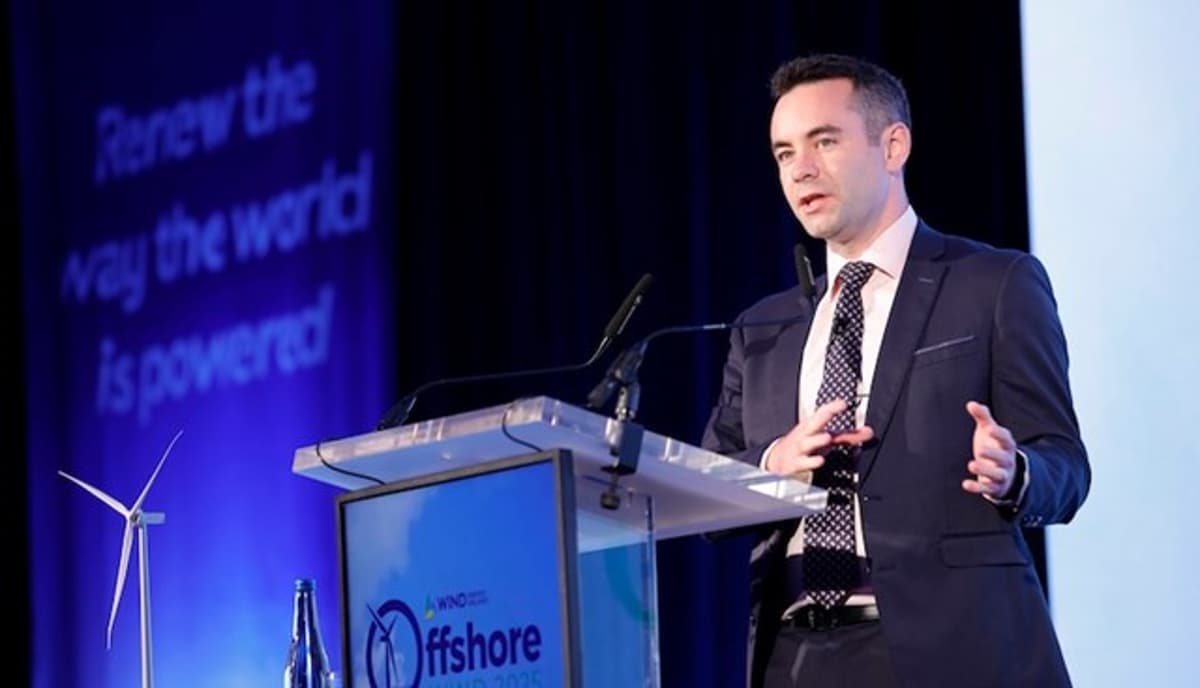
WEI calls for faster offshore wind rollout
Comments
Want to join the conversation?
Loading comments...