Welcome to the Most Important Oil Town in Canada — Population 623
Why It Matters
Hardisty’s infrastructure underpins North‑American fuel supplies and generates billions for government coffers, yet its demographic stagnation illustrates the broader challenge of translating resource wealth into sustainable community growth.
Key Takeaways
- •Hardisty stores 38 million barrels across 100 tanks and caverns
- •The hub moves about $501 million worth of oil daily (~$180 billion annually)
- •80% of working‑age residents are employed on the “Hill” oil complex
- •Population stuck around 620 despite billions in oil revenue
- •New pipelines, charter school, and promotion aim to attract residents
Pulse Analysis
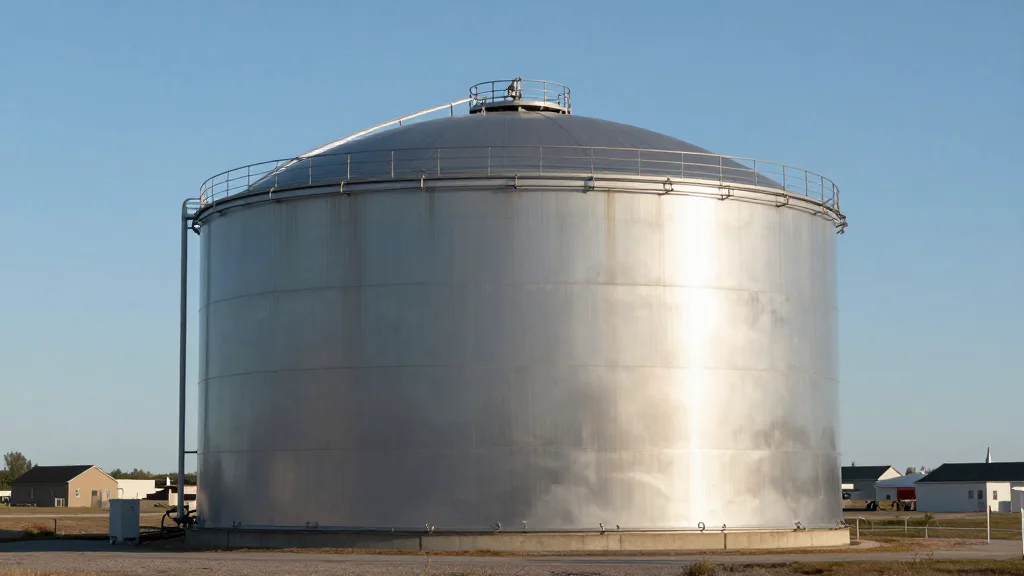
Hardisty’s oil terminal is a linchpin of Canada’s energy export strategy. The town’s 100‑plus dome‑capped tanks and subterranean caverns hold roughly 38 million barrels, enabling daily shipments valued at over $500 million. This capacity feeds refineries across the United States and eastern Canada, making Hardisty the nation’s largest pipeline hub and a price‑setting market for Western Canadian Select. The economic engine supports a high average household income of $117,000, funds municipal services, and contributes billions in tax revenue to Alberta and the federal government.
Yet the town’s demographic profile tells a different story. With a population hovering around 620 for decades, Hardisty exemplifies the disconnect between resource wealth and local growth. Comparisons to Cushing, Oklahoma—another oil crossroads with a larger population despite similar infrastructure—underscore the difficulty of attracting permanent residents. Recent initiatives, such as the revival of the Keystone XL‑linked Prairie Connector, a newly approved charter school, and a professionally produced promotional video, aim to reverse this trend. Community leaders are also courting ancillary businesses, hoping that pipeline expansions and added storage capacity will generate construction jobs and longer‑term employment.
Looking ahead, Hardisty’s fate hinges on broader energy policy and market dynamics. Federal and provincial commitments to expand pipeline capacity could boost throughput, while geopolitical shocks, like the Iran conflict, keep demand for North‑American crude high. If these macro forces sustain, the town may finally see the spillover effects of its strategic assets—more families, diversified services, and a resilient local economy—turning its oil‑rich legacy into a sustainable community model.
Welcome to the most important oil town in Canada — population 623
Comments
Want to join the conversation?
Loading comments...