“We’re Afraid to Make that Transition:” Former US Science Envoy Goes Toe-to-Toe with Big Australian Gas Players
Companies Mentioned
EnergyAustralia

Bloomberg
Why It Matters
Australia’s energy choices will determine whether it can meet its 2030 net‑zero target and avoid locking in high‑emission assets, influencing both domestic economics and global climate finance trends.
Key Takeaways
- •Australia has tools for net‑zero but leans heavily on gas
- •Global renewables attracted $2 trillion, fossil subsidies $5‑8 trillion last year
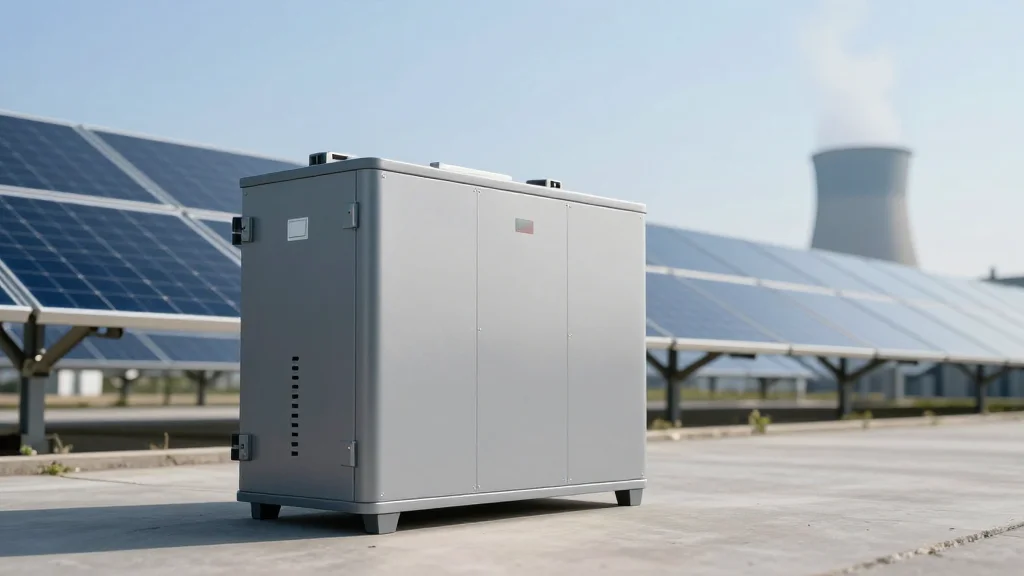
- •EnergyAustralia plans a massive new gas plant while expanding battery storage
- •Executives cite grid reliability and policy risk as barriers to renewable scaling
Pulse Analysis
Australia sits at a pivotal moment in its energy policy. With a legally binding 2030 net‑zero goal, the nation’s electricity mix still relies heavily on coal and an expanding gas sector. Recent announcements, such as EnergyAustralia’s plan for a new gas‑fired generator, signal a short‑term focus on firming capacity, even as battery projects like the 350 MW Wooreen storage facility gain momentum. This dual strategy reflects broader market pressures: utilities seek to protect margins while policymakers grapple with regulatory uncertainty and the high cost of new transmission infrastructure.
Daniel Kammen’s critique highlights a stark global contrast. While renewables worldwide secured roughly $2 trillion in new capital last year, fossil‑fuel subsidies dwarfed that figure, ranging from $5 trillion to $8 trillion. Australia, a net exporter of coal and liquefied natural gas, benefits from these subsidies, effectively subsidising its own transition challenges. Kammen points to technological advances—grid‑scale batteries, advanced forecasting, and flexible demand response—that can replace much of the gas‑based firming traditionally argued for by industry leaders. The AEMO’s own studies suggest that with sufficient storage and interconnection, gas could be reduced to a marginal role, accelerating decarbonisation without sacrificing reliability.
The implications for investors and regulators are profound. Continued investment in large gas plants risks stranded‑asset losses as renewable costs keep falling and policy frameworks tighten. Conversely, channeling capital into storage, pumped hydro, and distributed generation can deliver lower system costs and align with climate commitments. Policymakers must clarify long‑term signals—such as carbon pricing and renewable procurement targets—to reduce uncertainty and encourage the private sector to pivot away from gas. By addressing these market distortions, Australia can leverage its abundant renewable resources, meet its net‑zero ambition, and avoid the economic drag of an entrenched gas dependency.
“We’re afraid to make that transition:” Former US science envoy goes toe-to-toe with big Australian gas players
Comments
Want to join the conversation?
Loading comments...