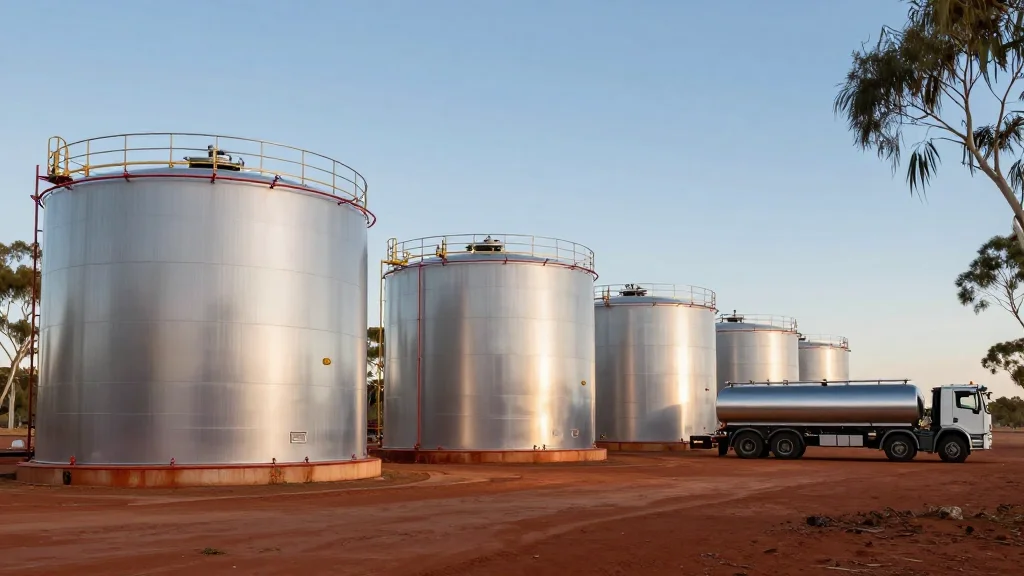
Western Australia Buys Gasoil for Strategic Reserve
Companies Mentioned
Why It Matters
The reserve enhances energy security for remote WA communities and reduces reliance on national stockpiles, potentially stabilizing diesel prices. It also signals government intervention in a market where supply logistics are constrained.
Key Takeaways
- •WA secures 4 mn litres gasoil for independent strategic reserve
- •Reserve stored in Wyndham, boosting fuel access for remote Kimberley
- •Declining mining demand prompted state to safeguard diesel supply
- •Minimum stockpile rules ineffective due to limited local storage
- •85% of WA gasoil sales serve non‑retail mining and agriculture
Pulse Analysis
Western Australia’s decision to purchase 4 million litres of gasoil marks a decisive step toward energy self‑sufficiency in a state where logistics are notoriously challenging. The Kimberley’s isolation, combined with limited pipeline infrastructure, forces many communities and industries to rely on diesel‑powered generators and long‑haul trucks. By establishing a state‑owned stockpile in Wyndham, the government not only creates a buffer against supply disruptions but also reduces dependence on the national strategic reserve, which has historically been managed by the federal government. This move reflects a broader trend among Australian jurisdictions to localise critical fuel supplies amid volatile global markets.
The strategic reserve is poised to address two pressing needs: reliable power for off‑grid settlements and fuel for remote transport corridors. With the closure of major mines such as Kimberley Metals’ Ridges Iron Ore project and Rio Tinto’s Argyle diamond mine, regional diesel consumption has fallen, yet the remaining agricultural and mining operations still require a steady fuel flow. A locally stored cache mitigates the risk of price spikes during shipping delays or geopolitical shocks, offering price stability for end‑users. Moreover, the reserve could serve as a fallback during extreme weather events that threaten road access.
From a market perspective, the WA reserve may influence regional pricing dynamics and encourage private investors to expand storage capacity. The government’s acknowledgment that existing minimum stockpile obligations are ineffective highlights a regulatory gap that could spur policy revisions nationwide. If other states adopt similar models, the cumulative effect could reshape Australia’s fuel logistics network, fostering competition among suppliers and potentially lowering transport costs. Analysts will watch how the reserve performs during the upcoming summer demand surge, which will test its ability to deliver on the promise of enhanced energy security.
Western Australia buys gasoil for strategic reserve
Comments
Want to join the conversation?
Loading comments...