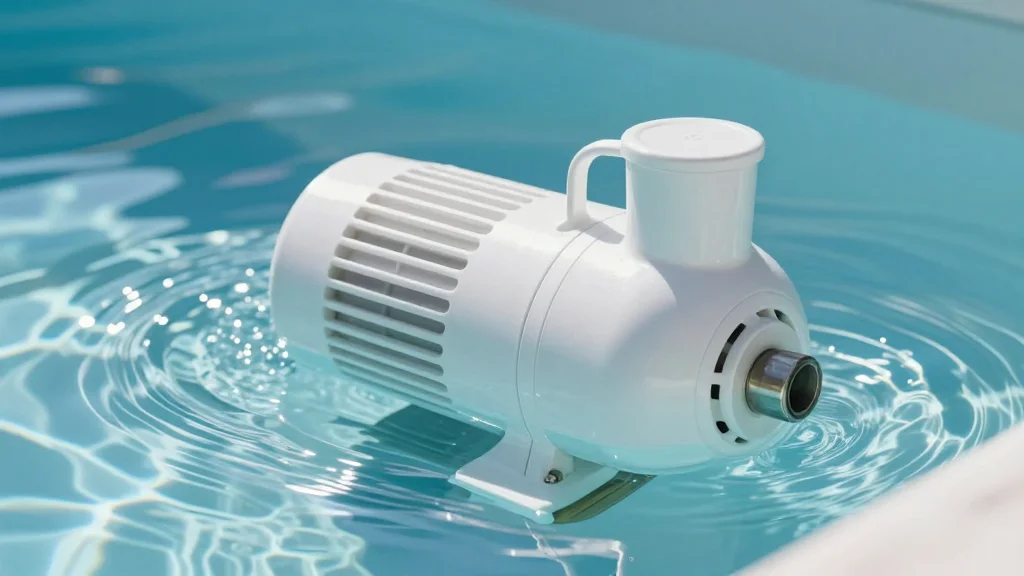
What Could Save Arizona Tens of Millions in Annual Customer and Infrastructure Costs? Residential Pool Pumps.
Why It Matters
Unlocking pool‑pump flexibility offers a low‑cost, near‑term solution to Arizona’s looming capacity gap, reducing the need for expensive peaker plants and transmission upgrades.
Key Takeaways
- •505,000 Arizona pools could shift up to 820 MW of load.
- •Midday operation saves ratepayers about $83 million each year.
- •Avoided capacity costs may total $66‑$164 million annually.
- •Pool pumps act as a gigawatt‑scale virtual power plant.
- •Policy incentives and automation are required to enable savings.
Pulse Analysis
Arizona’s power system is straining under accelerating load growth from data centers, electric vehicles, and new residential demand. Traditional solutions—building new generation, storage, and transmission—are hampered by supply‑chain bottlenecks and lengthy permitting processes. Demand‑response, long proven for industrial customers, is now being examined at the residential level, with pool pumps emerging as a surprisingly large, controllable load. With roughly 505,000 pools statewide, coordinated shifting of pump operation from night‑time to solar‑rich midday periods can move up to 820 MW, effectively creating a virtual power plant without new capital expenditures.
The economics are compelling. Utilities such as Salt River Project and Arizona Public Service have introduced “super off‑peak” tariffs that cut daytime electricity rates by more than 50 percent. When pool owners run pumps during these cheap‑price windows, the average homeowner saves over $100 annually, aggregating to $83 million in annual bill reductions across the state. Moreover, avoided capacity costs—estimated between $66 million and $164 million per year—represent a direct pass‑through benefit to ratepayers, sidestepping the need for costly fast‑start gas turbines, battery installations, or transmission upgrades.
Realizing this potential requires coordinated policy and technology action. Automated, opt‑in programs can default pumps to the optimal schedule, turning a simple household device into a grid‑scale asset. Federal guidance such as FERC Order 2222 already clears the path for aggregators to participate in wholesale markets, and the U.S. now hosts over 500 virtual power plants. By embedding pool‑pump demand response into utility tariffs and offering modest incentives, Arizona can secure near‑term resource adequacy, defer multi‑billion‑dollar infrastructure projects, and set a replicable model for other sun‑rich regions facing similar capacity challenges.
What could save Arizona tens of millions in annual customer and infrastructure costs? Residential pool pumps.
Comments
Want to join the conversation?
Loading comments...