What Drove China’s Historic Drop in Power-Sector Emissions?
Companies Mentioned

NASA
NOAA
Why It Matters
The shift demonstrates China’s ability to decarbonise its grid, but highlights grid‑integration bottlenecks that must be solved to sustain emissions cuts and reduce reliance on imported fuels.
Key Takeaways
- •China’s coal‑fired generation fell 42 TWh, led by Inner Mongolia and Shandong
- •Wind and solar output could have been 13 % higher without curtailment
- •Lost renewable generation valued at roughly $17 billion in 2025
- •Over 730 TWh of clean power now serves coastal import‑dependent provinces
- •66.4 GW of new storage added in 2025, a 52 % YoY rise
Pulse Analysis
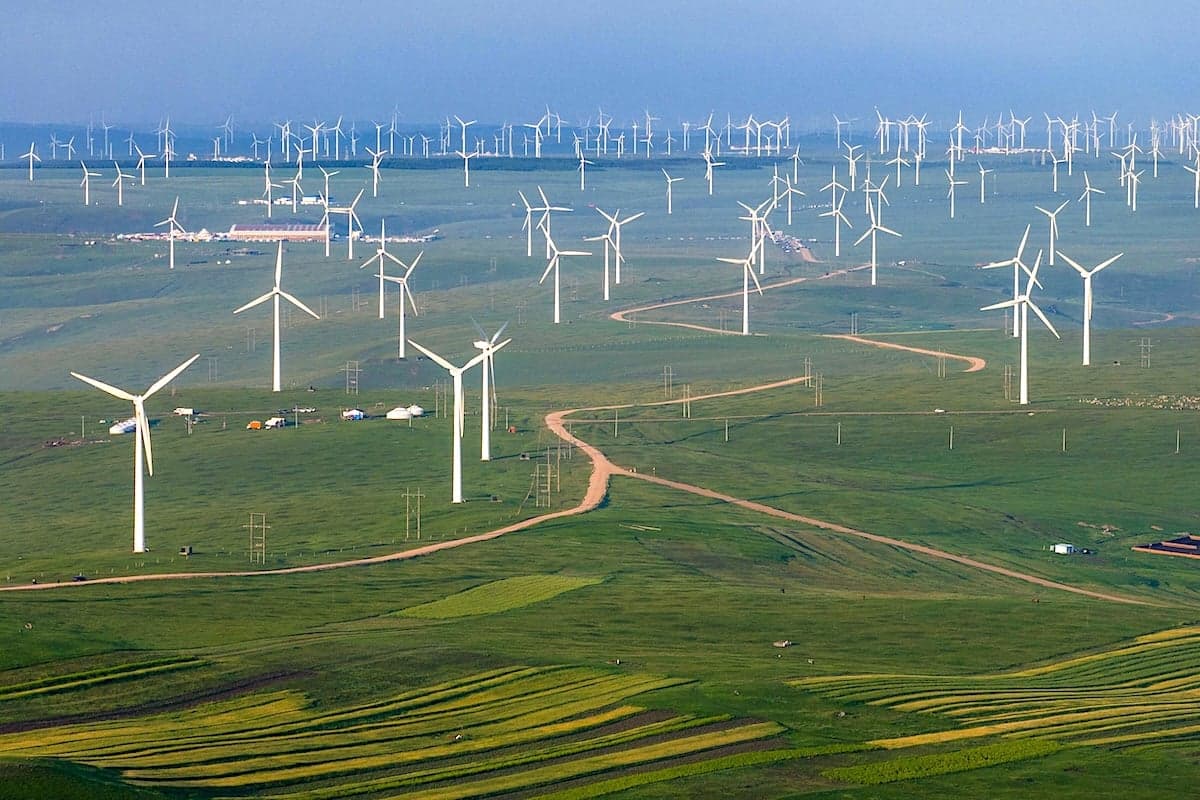
China’s historic emissions dip reflects the rapid scaling of wind and solar capacity, which now supplies a larger share of the nation’s electricity than ever before. While national coal generation dropped by about 42 TWh, the picture varies sharply across provinces. Resource‑rich western bases such as Inner Mongolia added massive renewable output, whereas eastern demand hubs like Guangdong and Jiangsu expanded clean supply to meet local growth. Yet 13 provinces still increased fossil generation, underscoring that renewable build‑out alone does not guarantee emissions reductions without a flexible grid.
Grid integration emerged as the primary bottleneck. Reported curtailment rose sharply in 2024‑25, and hidden utilisation losses likely suppressed wind‑solar generation by an additional 13 %. Analysts estimate the forgone power represents roughly $17 billion of economic value, prompting a surge in energy‑storage deployments—66.4 GW of new storage in 2025, a 52 % year‑on‑year jump. Policy shifts, including a relaxed utilisation target from 95 % to 90 %, aim to ease these constraints, while the government pushes for more flexible coal plants, long‑distance transmission, and demand‑side solutions such as green‑power supply to industrial parks.
Beyond climate goals, the clean‑power expansion strengthens China’s energy security. About a third of the 730 TWh increase in renewable generation between 2020 and 2025 directly serves coastal provinces that traditionally rely on seaborne coal and gas imports. This shift reduces exposure to volatile international fuel markets and aligns with President Xi’s narrative of a self‑reliant energy system. As China continues to fine‑tune its grid and storage infrastructure, the next phase will likely see renewable output translate more fully into emissions cuts and a more resilient, import‑independent power sector.
What drove China’s historic drop in power-sector emissions?
Comments
Want to join the conversation?
Loading comments...