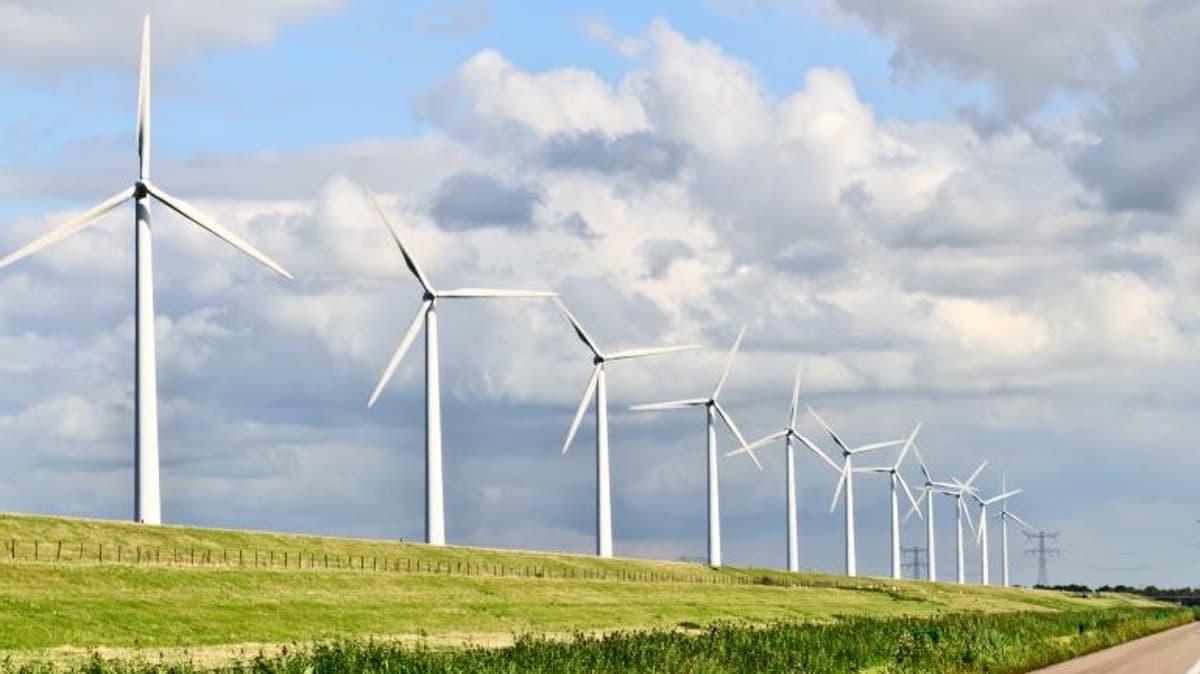
What Hormuz Is Teaching Traders About Utilities
Why It Matters
It reveals a systemic risk that could erode the financial benefits of renewable investments and forces regulators to rethink market rules before consumer bills surge further.
Key Takeaways
- •Hormuz crisis spikes fossil‑fuel costs, raising wholesale electricity prices.
- •Marginal pricing forces all power to reflect cost of the costliest generator.
- •Renewables’ low operating costs are masked by volatile fuel‑price spikes.
- •Contracts for Difference can lock in stable revenues for clean energy.
- •Battery storage and demand‑response cut reliance on costly peaking plants.
Pulse Analysis
The recent escalation in the Strait of Hormuz has sent ripples through global energy markets, but its most consequential impact may be on electricity pricing. While oil and natural‑gas futures have surged, the effect is amplified in wholesale power markets that rely on marginal pricing. In this system, the last, often fossil‑fuel‑powered unit needed to meet demand determines the market price for every megawatt‑hour, meaning that even abundant wind or solar output is sold at inflated rates when fuel costs spike.
Policy makers and industry leaders are now scrutinizing structural reforms that could decouple clean‑energy generation from volatile fuel markets. Contracts for Difference (CfDs) promise a fixed strike price for renewable output, insulating producers and consumers from price swings. Simultaneously, utilities are accelerating investments in long‑duration battery storage and sophisticated demand‑response platforms, which shift consumption away from peak periods and reduce the need for expensive peaker plants. These tools not only lower price volatility but also align with broader decarbonization goals by minimizing reliance on carbon‑intensive generators.
For investors and utility executives, the Hormuz episode underscores the urgency of modernizing market design before consumer backlash grows. A reformed pricing architecture could safeguard the economic case for renewables, improve grid reliability, and protect ratepayers from geopolitical shocks. As the electrified economy expands—driven by data centers, EVs, and industrial electrification—adapting to these lessons will be pivotal for maintaining competitive, resilient power systems in the United States.
What Hormuz Is Teaching Traders About Utilities
Comments
Want to join the conversation?
Loading comments...