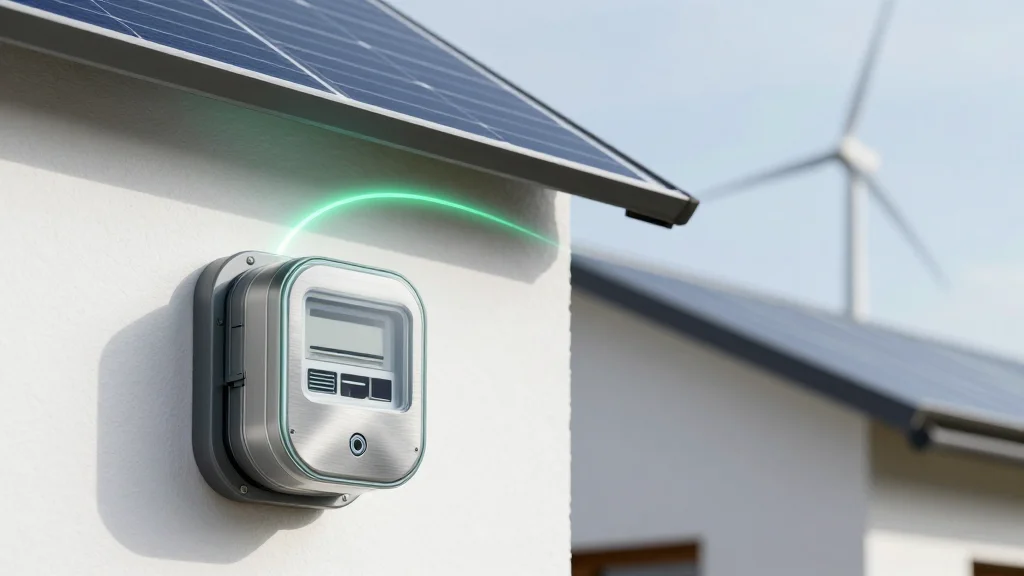
What PLAN-B NET ZERO Does and What Neobanking Has to Do with It
Companies Mentioned
Why It Matters
By treating electricity like a digital service, PLAN‑B NET ZERO pushes incumbents toward transparent pricing and app‑first engagement, accelerating renewable adoption and reshaping Germany’s competitive energy market.
Key Takeaways
- •100 k+ customers, 4 k partners since 2023 launch
- •Fixed weekly tariffs, no contracts, fully digital sign‑up
- •Neo‑App provides real‑time usage, CO₂ tracking, push savings
- •Offers battery storage pipeline and data‑driven partner services
- •Among Germany’s three cheapest green electricity providers
Pulse Analysis
The European energy sector is undergoing a digital overhaul, mirroring the disruption that neobanks caused in finance. Traditional utilities have long relied on static tariffs, paper contracts and limited customer interaction, leaving a gap for tech‑savvy consumers who expect instant access and transparency. As mobile banking and streaming services set new standards for user experience, energy providers are compelled to rethink how they deliver power, especially in markets like Germany where renewable penetration reached 59 % in 2024 and is slated for 80 % by 2030.
PLAN‑B NET ZERO capitalizes on this shift by packaging renewable electricity as a subscription‑style product managed entirely through its Neo‑App. Weekly fixed‑price tariffs eliminate surprise bills, while the app’s real‑time dashboards, carbon‑footprint metrics and push‑notification alerts turn consumption into an actionable habit. Beyond the core supply, the firm leverages household‑level data to launch ancillary services such as battery storage solutions and personalized partner offers, creating a data moat that traditional utilities lack. This integrated approach not only lowers acquisition friction but also opens new revenue streams tied to the growing market for electric‑vehicle charging and heat‑pump adoption.
The broader implications are significant for both consumers and incumbents. For German households, the promise of a no‑lock‑in, app‑first green provider lowers the barrier to switching and encourages higher renewable uptake. For legacy utilities, PLAN‑B NET ZERO’s rapid growth—over 100,000 customers in less than two years—signals a competitive threat that may accelerate digital investments and price competition across the sector. As the market consolidates around data‑driven, customer‑centric models, the line between energy provision and digital services will continue to blur, reshaping the future of European power markets.
What PLAN-B NET ZERO does and what neobanking has to do with it
Comments
Want to join the conversation?
Loading comments...