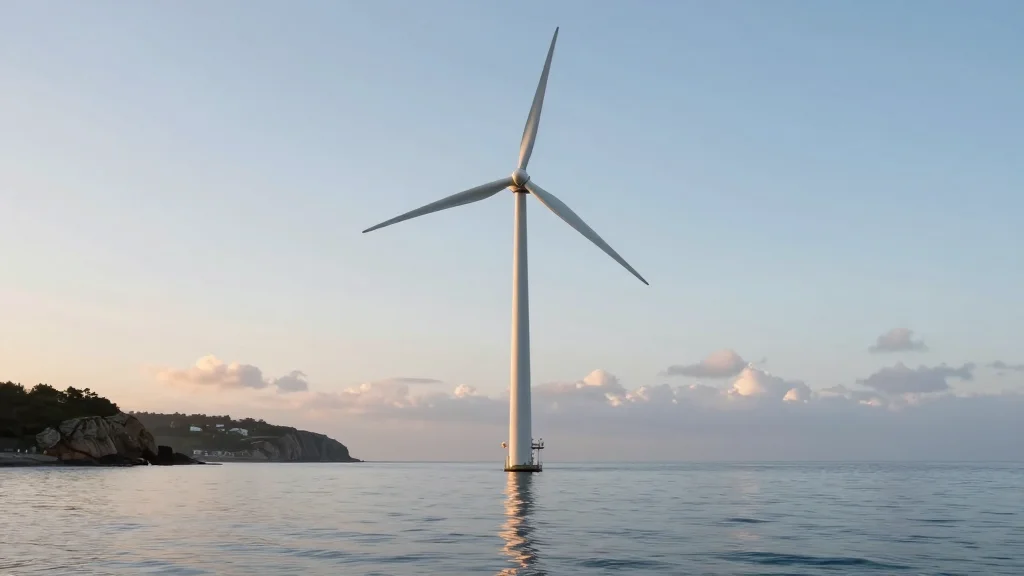
“When Can I Get a Job?” Community Leaders Say Coal Country Ready – and Waiting – for Offshore Wind
Why It Matters
The initiative bridges the region’s coal legacy with a renewable future, delivering high‑pay jobs and economic diversification while advancing Australia’s offshore wind ambitions.
Key Takeaways
- •Gippsland launches offshore wind sector plan to attract investment
- •70% of coal‑region skills match offshore wind jobs
- •Star of the South project totals 2.2 GW capacity
- •Victoria targets 9 GW offshore wind by 2040
- •$700 million AUD (~$460 million USD) Delburn wind farm investment
Pulse Analysis
Australia’s offshore wind industry is moving from concept to construction, and Gippsland sits at the forefront of that shift. The newly released Gippsland Offshore Wind Sector Plan, crafted by the Gippsland Offshore Wind Alliance, maps out infrastructure upgrades, supply‑chain linkages, and training pathways to attract global developers. By positioning the region as a renewable hub, the plan leverages existing transmission corridors and the legacy of the Latrobe Valley’s power‑generation expertise, aligning with the Albanese government’s commitment to hit 2 GW of offshore capacity by 2032 and scale to 9 GW by 2040.
Workforce transition is a cornerstone of the plan, with research from Star of the South indicating that roughly 70% of the coal, oil and gas skill set overlaps with offshore wind roles—from marine engineers to welders and electricians. This high degree of skill transferability means that the region can quickly staff construction crews and long‑term operations teams, creating generational employment opportunities that extend beyond the typical project‑life cycle. Local training institutions and apprenticeship programs are being mobilised to up‑skill workers, ensuring that the talent pipeline matches the anticipated demand for both on‑site installation and ongoing maintenance of turbines.
The economic stakes are significant. The Delburn on‑shore wind farm alone represents an investment of about $700 million AUD (approximately $460 million USD), underscoring the scale of capital flowing into the region. While opposition parties occasionally raise policy concerns, the broad community buy‑in and the tangible job prospects make it politically costly to derail the offshore agenda. As Australia seeks to decarbonise its grid, Gippsland’s transition from coal to wind offers a replicable model for other legacy energy hubs, marrying climate goals with regional prosperity.
“When can I get a job?” Community leaders say coal country ready – and waiting – for offshore wind
Comments
Want to join the conversation?
Loading comments...