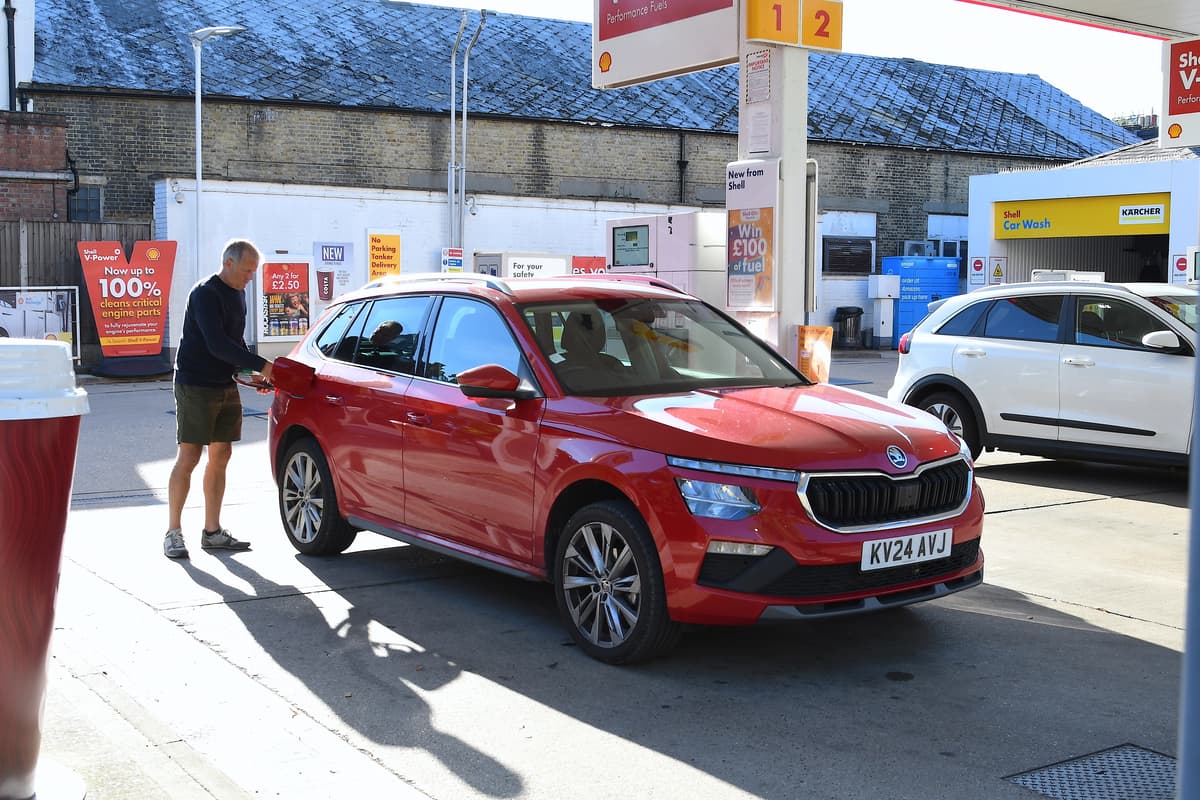
When Will Fuel Prices Drop? How Hormuz Deal Affects UK Drivers
Companies Mentioned
Why It Matters
Lower oil prices can ease inflation pressures and boost disposable income for UK motorists, while the timing of pump‑price adjustments will affect consumer spending and transport costs.
Key Takeaways
- •Hormuz reopening cuts Brent crude below $80 per barrel
- •UK petrol could dip under 150p (£1.50) per litre within weeks
- •Forward contracts may delay pump price reductions for some retailers
- •Drivers already saving £3‑£9 per tank, about $4‑$11
- •Price drop hinges on cease‑fire durability and tanker traffic
Pulse Analysis
The reopening of the Strait of Hormuz marks a pivotal shift in global oil logistics. The waterway channels roughly 20% of the world’s petroleum, and its closure during the recent US‑Iran tensions forced traders to reroute shipments at higher cost, inflating Brent crude to $120 a barrel. With the corridor back in operation, Brent has slipped below $80, a level that typically eases downstream pricing pressure. This development not only stabilizes global supply chains but also signals a potential cooling of energy‑related inflation that has been a drag on economies worldwide.
In the United Kingdom, the ripple effect of lower crude prices is already visible in wholesale fuel markets. Retailers purchase fuel on varying schedules—some daily, others on weekly or fortnightly contracts—so the transmission of cost savings to the pump is uneven. Forward contracts signed during the price spike lock in higher rates for many operators, meaning those with longer‑term agreements may not pass on the lower wholesale price for weeks. Conversely, retailers who buy more frequently can adjust prices faster, explaining the early 4.6 p drop in petrol and nearly 9 p in diesel observed by the AA.
For motorists, the immediate benefit is modest but tangible. The RAC estimates an average saving of about $4 per petrol tank and $11 per diesel tank, equivalent to £3‑£9. If the cease‑fire endures and tanker traffic normalises, analysts predict petrol could dip below 150 p per litre within a week, with diesel following under 170 p. While these figures still sit above pre‑conflict levels, the trajectory points toward gradual relief, underscoring the importance of monitoring both geopolitical stability and contract structures in forecasting fuel‑price trends.
When will fuel prices drop? How Hormuz deal affects UK drivers
Comments
Want to join the conversation?
Loading comments...