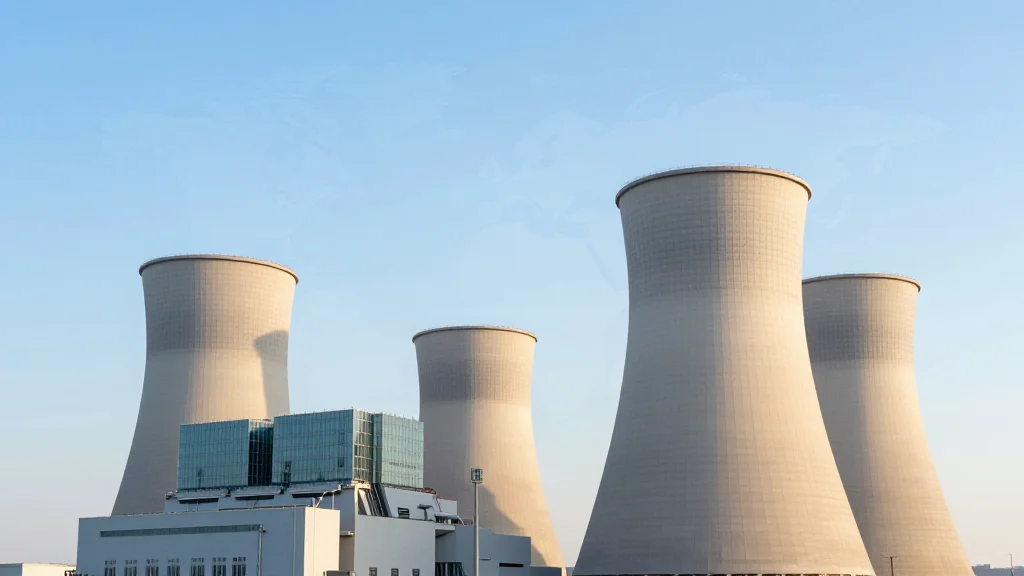
Which Countries Lead the Way on Nuclear Energy?
Companies Mentioned
Why It Matters
The shift reshapes the competitive landscape for low‑carbon energy, influencing investment, policy, and supply chains worldwide. Faster growth in China and renewed U.S. bipartisan support could accelerate the transition away from fossil fuels.
Key Takeaways
- •China operates 60 reactors, building ~36 more.
- •U.S. leads nuclear output but has no new large plants.
- •France supplies the highest share of electricity from nuclear.
- •Taiwan aims to restart a plant after 2025 energy crisis.
- •World nuclear generation set a 2025 record, expected to grow.
Pulse Analysis
Public sentiment toward nuclear energy is warming across the United States and Europe, driven by energy security concerns and climate goals. In the U.S., bipartisan backing—from Trump’s push for Westinghouse AP‑1000 reactors to Biden’s loan for the Palisades restart and the Inflation Reduction Act’s tax credit—signals a policy environment conducive to reviving a stagnant industry. Europe, especially France, continues to rely heavily on nuclear, maintaining the highest domestic share of electricity from the source, while Taiwan’s reconsideration of a shuttered plant underscores the geopolitical ripple effects of regional conflicts.
China’s nuclear expansion is unprecedented. With 60 reactors already online and an additional three dozen under construction, the nation accounts for nearly half of all new nuclear projects worldwide. Its 2025 output jumped to 488 TWh, a 37 TWh increase from the previous year, and analysts project that China could surpass U.S. capacity by 2030. This rapid buildout not only bolsters China’s carbon‑free baseload but also creates a massive domestic market for reactor technology, fuel supply, and engineering services, pressuring global manufacturers to adapt to Chinese standards and pricing.
The United States, while still the largest net producer of nuclear electricity, faces a paradox: strong political support but no new large‑scale reactors under construction. The industry’s revival hinges on translating policy incentives into tangible projects, such as small modular reactors and potential AP‑1000 builds. As the world recorded a historic level of nuclear generation in 2025, the trajectory suggests that nuclear will play an increasingly pivotal role in meeting net‑zero targets, provided that supply‑chain constraints and public acceptance are managed effectively.
Which countries lead the way on nuclear energy?
Comments
Want to join the conversation?
Loading comments...