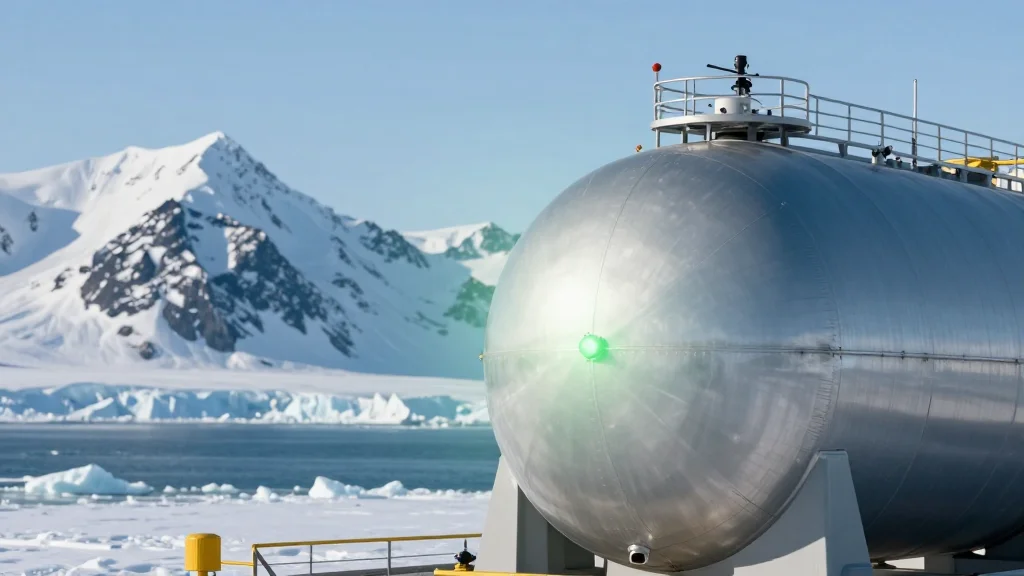
White House Backs Alaska LNG Tax Reform as Legislative Deadline Nears
Why It Matters
Reforming Alaska’s LNG tax structure could unlock significant U.S. export capacity, boosting domestic revenue and energy security while influencing global gas markets.
Key Takeaways
- •White House urges Alaska lawmakers to adopt LNG tax incentives
- •Tax reforms aim to lower project costs and attract investors
- •Deadline for legislation aligns with upcoming federal budget cycle
- •Successful reform could unlock $20 billion in export revenue
Pulse Analysis
The Alaska LNG project, envisioned as a massive export hub on the North Slope, has been stalled for years by high capital costs, logistical challenges, and an uncertain fiscal environment. Originally projected to cost upwards of $30 billion, the venture requires a stable tax regime to secure private financing and justify the massive infrastructure investment. State‑level tax policies have historically added a premium to project economics, prompting developers to seek more favorable terms that align with the scale of the undertaking.
Washington’s endorsement marks a rare instance of direct federal involvement in a state‑specific tax matter. By lobbying for a reduction in the state’s production tax and offering potential credits for export‑related activities, the White House aims to harmonize Alaska’s fiscal policy with broader national energy goals. The timing is strategic: aligning the reforms with the federal budget cycle could unlock additional federal incentives and signal to investors that the administration views Arctic LNG as a cornerstone of U.S. energy independence. Governor Dunleavy’s public support further underscores the political will to move the project forward before the legislative session ends.
If the tax reforms pass, the Alaska LNG facility could begin delivering gas to Asian markets within the next decade, diversifying U.S. export destinations and reducing reliance on European pipelines. The influx of export revenue—potentially exceeding $20 billion annually—would bolster Alaska’s economy and provide a new source of federal tax receipts. However, the project also raises environmental concerns, as increased methane production could clash with climate objectives. Stakeholders will need to balance economic gains with sustainability commitments as the initiative progresses.
White House Backs Alaska LNG Tax Reform as Legislative Deadline Nears
Comments
Want to join the conversation?
Loading comments...