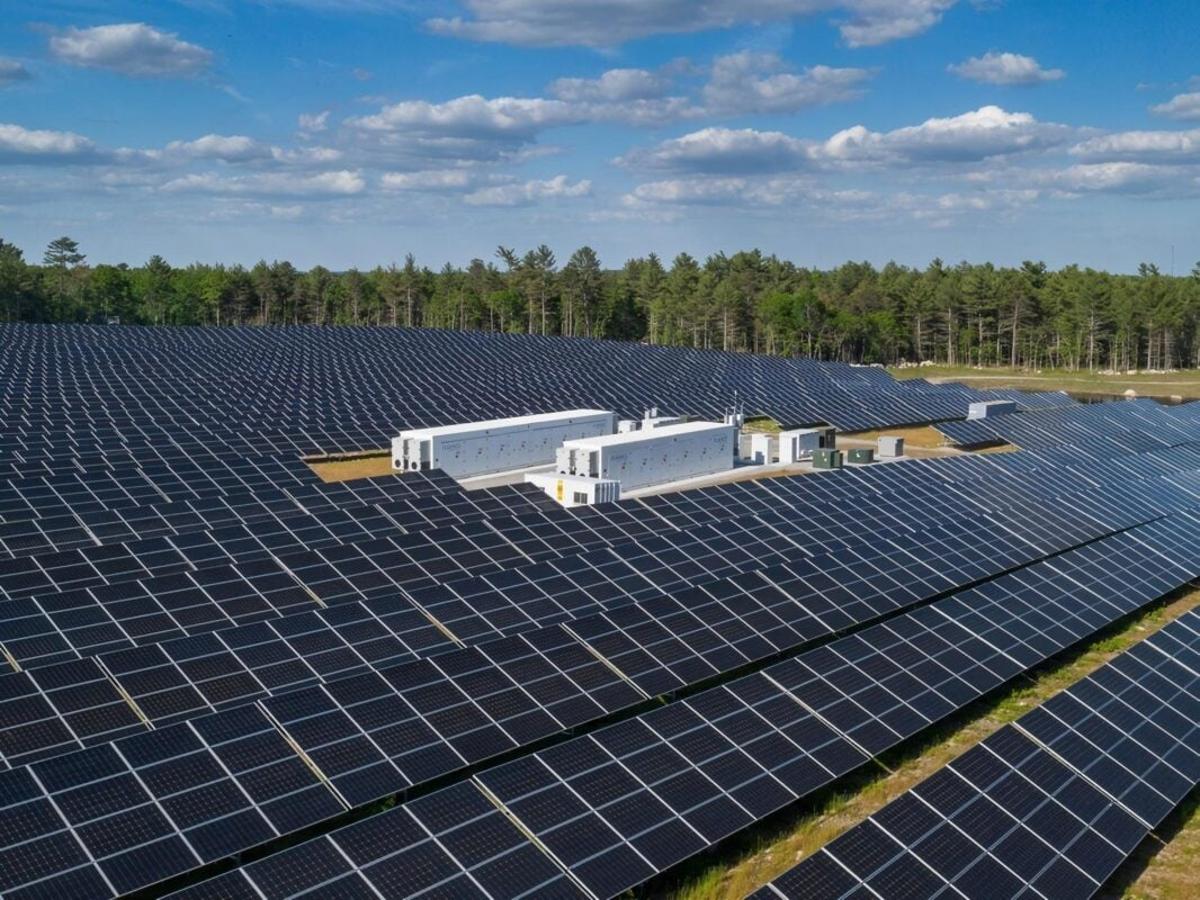
Why Co-Located PV-Plus-Storage Is the Best Dispatchable Renewable Energy Source
Why It Matters
Co‑located solar and storage turn surplus renewable output into firm, revenue‑generating power, strengthening grid reliability and profitability for owners. This model is becoming a cornerstone of Europe’s transition to a resilient, low‑carbon energy system.
Key Takeaways
- •Solar-plus-storage can shift midday generation to evening peak prices
- •UK solar capacity reached 22.1 GW; 5‑5.5 GW new in 2026
- •DC‑coupled designs cut conversion losses, boosting dispatch efficiency
- •Automation platforms like Nimbus are essential for real‑time dispatch decisions
- •Co‑located projects lower infrastructure costs by sharing a single grid connection
Pulse Analysis
The narrative around renewables is evolving. Industry analysts now differentiate between true intermittency and predictable variability, emphasizing that modern forecasting can anticipate solar output with sufficient accuracy for market planning. By integrating battery energy storage systems (BESS) on the same site, solar farms gain the ability to store excess generation when wholesale prices dip and release it during peak demand, effectively turning a variable resource into a dispatchable one. This capability not only smooths revenue streams but also reduces exposure to price cannibalisation that has historically plagued standalone solar.
In the United Kingdom, the solar‑plus‑storage wave is gaining momentum. Installed capacity hit 22.1 GW as of March, and projections show an additional 5‑5.5 GW will come online in 2026. The co‑location model leverages a single grid connection, cutting capital expenditures on transmission infrastructure while maximizing asset utilisation. Operators are increasingly favoring DC‑coupled architectures, which minimise conversion losses between photovoltaic panels and batteries, thereby delivering more usable energy during high‑price intervals. Yet the added complexity of charge‑discharge optimisation necessitates sophisticated software; platforms such as Nimbus provide the digital backbone to process market signals, prioritize dispatch, and safeguard profitability.
Beyond commercial gains, large‑scale solar‑plus‑storage deployments bolster European energy security. By providing firm, low‑cost power that can respond to real‑time price spikes and geopolitical shocks, these hybrid assets enhance grid resilience, especially during winter when solar output wanes but batteries can still arbitrage price differentials. As policy frameworks evolve to support integrated renewables, the sector is poised for rapid expansion, making co‑located solar and storage a pivotal pillar of the continent’s clean‑energy future.
Why co-located PV-plus-storage is the best dispatchable renewable energy source
Comments
Want to join the conversation?
Loading comments...