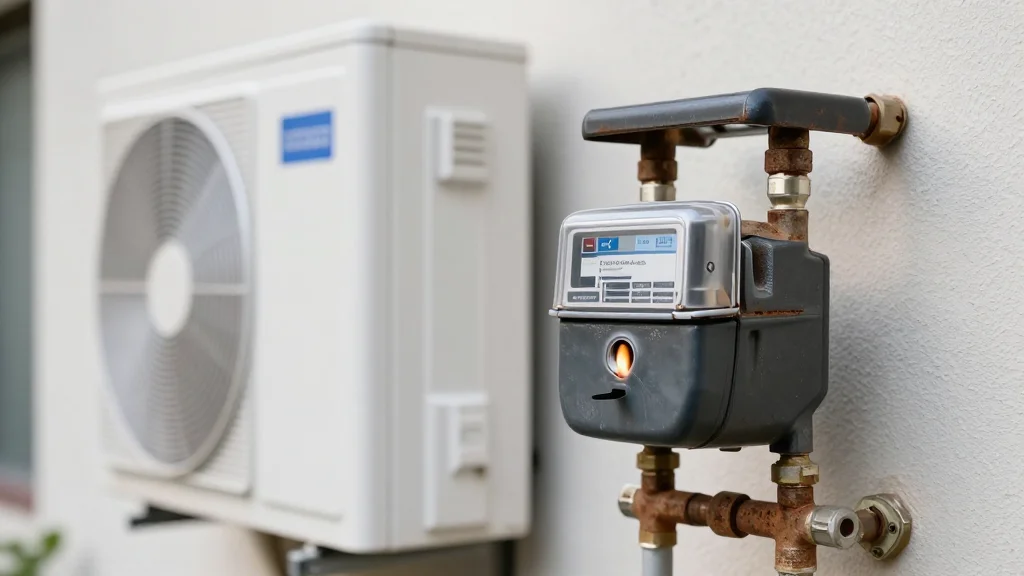
Why Do Cities Continue To Accept Rising Utility Prices?
Companies Mentioned
Why It Matters
Rising gas‑infrastructure costs inflate household energy expenses and undermine climate‑goal progress, prompting regulators and municipalities to prioritize electrification and cleaner alternatives.
Key Takeaways
- •Gas distribution spending tripled since 2010, adding $40 B yearly to ratepayers
- •Infrastructure now makes up ~70% of gas bills, gas itself only 30%
- •Heat pumps outsold gas furnaces for fourth consecutive year
- •One‑quarter of households cut food or medicine to pay energy bills
- •Regulators increasingly scrutinize new gas projects, favoring electrification and thermal networks
Pulse Analysis
S. utility bills is less about volatile natural‑gas prices and more about the massive capital outlays required to maintain an aging gas‑distribution network. Since 2010, utilities have more than tripled spending on pipelines and delivery assets, inflating per‑customer infrastructure costs from roughly $20,000 to nearly $29,000 as electrification trims the gas customer base.
\n\nMeanwhile, market dynamics are tilting toward electric heating solutions. Heat pumps have outsold gas furnaces for four straight years and even surpassed air‑conditioners, signaling strong consumer demand for cleaner, more efficient technology. State policymakers are responding by tightening approvals for new gas projects and promoting alternatives such as geothermal loops, demand‑response programs, and sewer‑heat recovery. \n\nUtilities, however, remain caught between legacy infrastructure obligations and the economics of renewable energy.
While solar and battery storage can be deployed in under two years, new gas‑fired power plants still require five to seven years due to supply‑chain bottlenecks. Some utilities are planning to add nearly 500 additional gas‑fired plants, a strategy that risks locking in higher emissions and costs just as electricity prices already outpace inflation. Investors and municipalities that prioritize flexible, low‑cost renewables will likely see better long‑term returns, while continued reliance on costly gas infrastructure could exacerbate affordability challenges for the nation’s most vulnerable households.
Why Do Cities Continue To Accept Rising Utility Prices?
Comments
Want to join the conversation?
Loading comments...