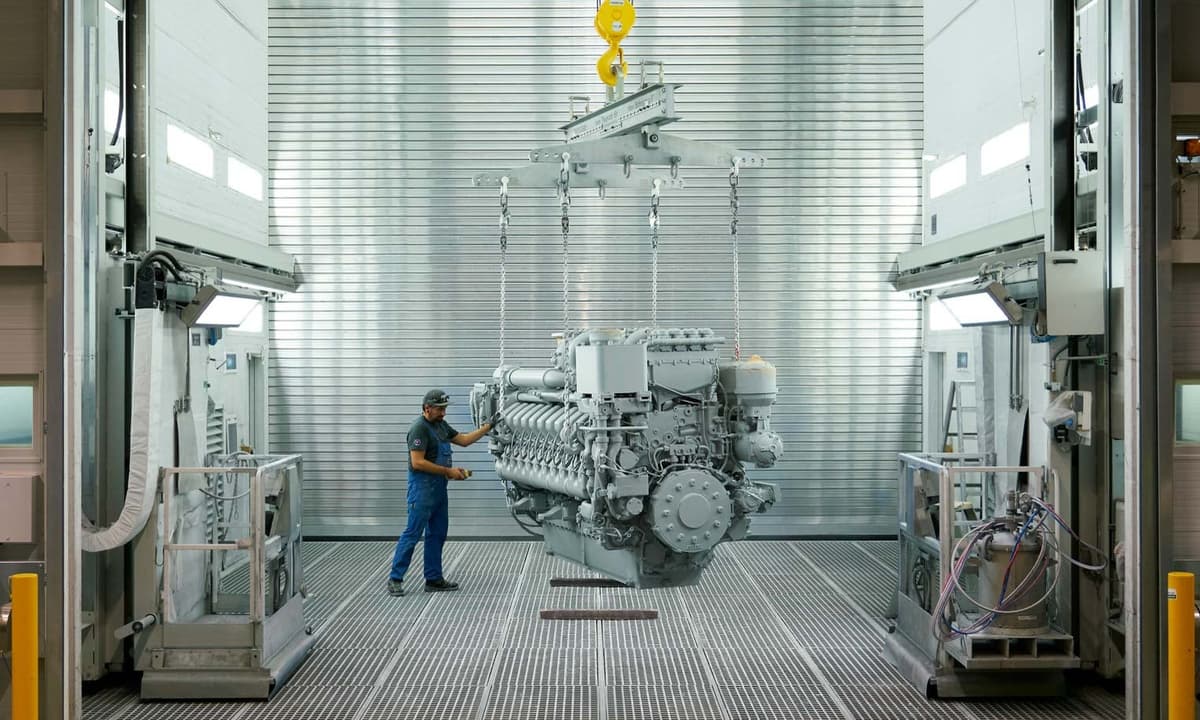
Why Gas Engine Power Plants Are Crucial in the Energy Transition
Companies Mentioned

Rolls‑Royce
Why It Matters
These plants deliver fast, dispatchable power that safeguards grid reliability while renewable penetration grows, reducing both carbon emissions and exposure to volatile gas prices. For investors and utilities, they represent a cost‑effective, future‑proof asset in a tightening emissions regime.
Key Takeaways
- •Modular gas engines can be relocated as grid needs change
- •Engines operate efficiently at partial load by shutting off modules
- •Fast start‑up supports rapid balancing of wind and solar fluctuations
- •Lower CO₂ than coal; can transition to hydrogen or bio‑fuels
- •Reduces fuel‑price risk by complementing renewables and storage
Pulse Analysis
The energy transition is no longer a simple substitution of coal with wind or solar; it is a complex rebalancing of supply, demand, and infrastructure. Intermittent renewables create new peaks and valleys that traditional baseload plants cannot address efficiently. Gas‑engine power stations, built from multiple small generators, provide the granular, on‑demand capacity needed to smooth those fluctuations, ensuring that consumers experience uninterrupted service even as the generation mix evolves.
From an engineering perspective, the modularity of modern gas engines offers several competitive edges. Operators can run only the units required for current load, keeping each engine near its optimal efficiency point and avoiding the waste associated with oversized turbines throttled at low output. The quick start‑up time—often under a minute—means they can respond to sudden drops in wind or solar output faster than most storage solutions. Moreover, the engines’ ability to switch fuels, from natural gas to green hydrogen or sustainable bio‑fuels, positions them as a low‑carbon bridge that can adapt as fuel markets decarbonize.
Financially, the flexibility translates into lower total cost of ownership when plants face highly variable dispatch schedules. Investors see reduced exposure to fuel‑price spikes because gas‑engine assets complement renewables and battery storage, spreading risk across multiple resources. Policymakers are also taking note, incorporating flexible gas‑engine capacity into reliability standards and capacity markets. As grid operators grapple with transmission bottlenecks and rising electrification demand, these modular plants provide a scalable, relocatable solution that can be deployed quickly, de‑commissioned, or repurposed, making them a strategic component of a resilient, low‑carbon energy future.
Why gas engine power plants are crucial in the energy transition
Comments
Want to join the conversation?
Loading comments...