Why Gas Prices Go Up Fast and Take So Long to Fall
Companies Mentioned
Why It Matters
The lag between wholesale and retail price adjustments amplifies consumer fuel costs and squeezes thin‑margin station operators, influencing overall inflation dynamics and regional price competitiveness.
Key Takeaways
- •Rack price rose 39.6% to $3.35 per gallon
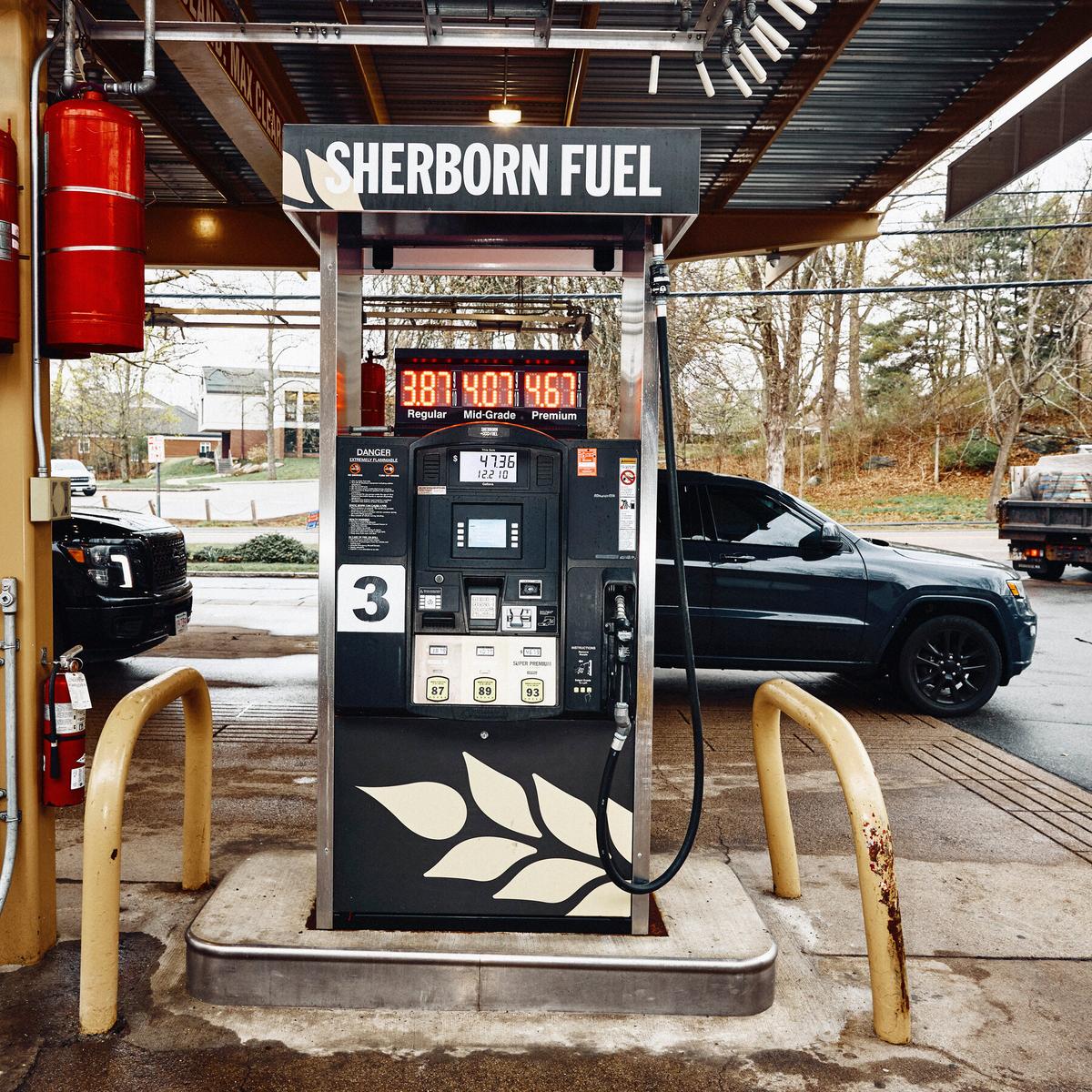
- •Retail pump price increased 33.8% to $3.88 per gallon
- •Station owner’s truckload cost $39,488, straining cash flow
- •Owners fear losing customers if they raise prices alone
- •Credit‑card fees erode margins during high‑price periods
Pulse Analysis
The recent spike in crude‑oil prices, driven by renewed geopolitical tension in the Persian Gulf, has cascaded through the fuel supply chain, inflating the wholesale "rack" price that stations pay for gasoline. Independent retailers, who typically replenish their tanks every few days, saw the rack price jump from $2.40 to $3.35 per gallon—a 39.6% increase—forcing many to adjust pump prices sharply. This rapid pass‑through reflects the thin margins in the industry and the limited ability of station owners to absorb cost shocks without jeopardizing profitability.
For owners like Alex Weatherall, the financial strain is immediate. A single truckload now costs $39,488, a figure that must be financed often on short‑term credit lines, tightening cash flow. To protect revenue, retailers raise pump prices, but they also risk losing market share if competitors hold prices steady. Added to this dilemma are higher credit‑card processing fees that rise with each cent added to the pump, further eroding already slim margins. Consequently, station owners adopt a cautious pricing strategy, hesitating to lower prices even after wholesale costs retreat, to avoid a race to the bottom.
The delayed price decline has broader implications for consumers and inflation metrics. While oil benchmarks may fall quickly, end‑user gasoline prices tend to lag, keeping transportation costs elevated and feeding into overall price stability concerns. Policymakers and analysts must therefore consider the structural frictions within the retail fuel market when assessing inflation pressures. As the market stabilizes, the degree to which independent stations can competitively price fuel without sacrificing profitability will shape the pace at which pump prices finally align with lower wholesale rates.
Why Gas Prices Go Up Fast and Take So Long to Fall
Comments
Want to join the conversation?
Loading comments...