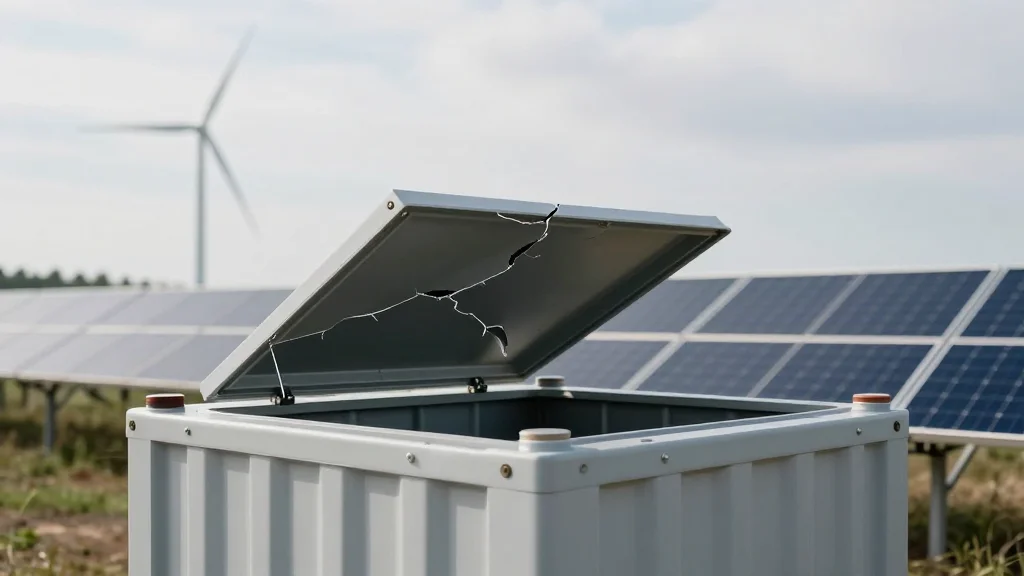
Why Has NESO Stripped Batteries From Many UK Solar and Wind Projects in the Grid Queue?
Why It Matters
Eliminating battery storage reduces the flexibility needed to balance intermittent renewables, slowing progress toward the UK’s 50 GW storage ambition and raising future electricity price risks.
Key Takeaways
- •NESO removed battery components from dozens of solar‑wind hybrid projects.
- •Over 221 GW of renewable projects cleared from the grid queue this year.
- •Removal risks undermining UK’s goal for 50 GW of storage by 2030.
- •Roy Bedlow warns loss of batteries could increase future price volatility.
- •Policy shift aims to prioritize firm generation amid grid congestion concerns.
Pulse Analysis
The National Electricity System Operator’s recent decision to strip battery storage from numerous solar‑wind hybrid schemes reflects a broader shift in the UK’s grid‑connection strategy. By clearing more than 221 GW of renewable projects, regulators aim to unclog a notoriously long queue, but the new priority on firm generation means that flexible, grid‑scale batteries are being sidelined. This policy tweak is intended to address immediate congestion on the transmission network, yet it raises questions about how the system will accommodate the variability of wind and solar without adequate storage.
Industry voices, notably Low Carbon’s CEO Roy Bedlow, warn that the removal of batteries undermines the country’s ambition to install 50 GW of storage capacity by 2030. Batteries not only smooth out supply‑demand mismatches but also act as a hedge against future energy price spikes—a critical function after the recent global price shock. Without integrated storage, renewable projects may face curtailment during peak generation, eroding expected revenue streams and potentially slowing investment in new capacity.
For investors and developers, the NESO move signals a need to reassess project economics and timing. While the cleared queue offers a clearer path to connection, the loss of storage incentives could shift capital toward traditional generation assets. Policymakers may need to introduce complementary measures—such as targeted subsidies or revised capacity allocation rules—to ensure that the UK’s clean‑energy transition retains its momentum and that grid flexibility remains a cornerstone of future energy security.
Why has NESO stripped batteries from many UK solar and wind projects in the grid queue?
Comments
Want to join the conversation?
Loading comments...