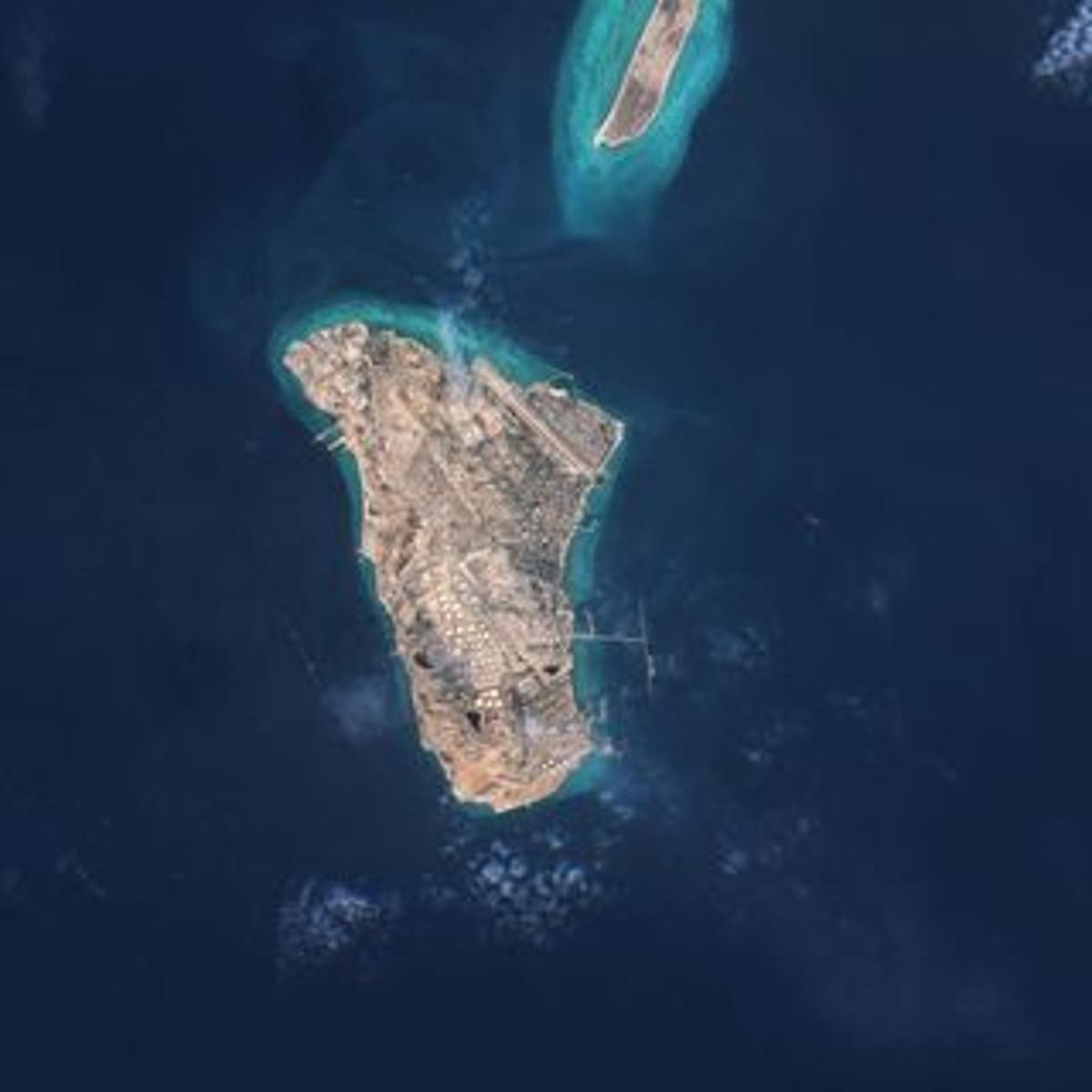
Why Kharg Island Is Central to Trump's Escalating Iran Threats
Why It Matters
Capturing Kharg would cripple Iran’s oil income, potentially forcing concessions on its nuclear and regional policies, while also exposing global oil supplies to volatility. The move would test U.S. military resolve and could trigger broader retaliation across the Gulf.
Key Takeaways
- •Kharg processes ~7 million barrels daily, handling 90% of Iran’s exports
- •Seizing the island could cut Iran’s oil revenue by billions annually
- •U.S. troops on Kharg would face heightened missile and drone threats
- •Global oil markets may spike, especially affecting China’s energy imports
Pulse Analysis
Kharg Island’s strategic value extends beyond its sheer volume of oil. Situated 15 miles off Iran’s coast, its deep‑water terminals accommodate supertankers that load roughly seven million barrels each day, accounting for the lion’s share of Tehran’s export earnings. By targeting this “Forbidden Island,” the Trump administration hopes to leverage a critical revenue stream, a tactic reminiscent of past conflicts where control of export nodes forced diplomatic pivots. The island’s infrastructure, including the Falat Iran Oil Company, remains a linchpin in a market where Iran still contributes about four percent of global oil supply despite sanctions.
The economic ripple effects of a Kharg seizure would be immediate and far‑reaching. Cutting off Iran’s primary export conduit could shave billions of dollars from its annual oil income, tightening the fiscal pressures that have already driven domestic inflation and gas price spikes. International buyers, particularly China, which imports the bulk of Iranian crude, would scramble for alternative sources, likely driving up spot prices and tightening global supply. Energy traders would see heightened volatility, prompting risk premiums that could spill over into related commodities such as natural gas and coal.
From a security standpoint, occupying Kharg carries substantial risks for U.S. forces. The island’s proximity to the Iranian mainland makes it vulnerable to missile and drone attacks, and any ground presence could invite retaliatory strikes against allied Gulf infrastructure. Moreover, a direct confrontation could destabilize the already tense Strait of Hormuz, a chokepoint through which a third of the world’s oil transits. Policymakers must therefore balance the potential leverage of crippling Iran’s oil revenue against the prospect of escalating a regional conflict that could disrupt global energy markets and endanger U.S. personnel.
Why Kharg Island is central to Trump's escalating Iran threats
Comments
Want to join the conversation?
Loading comments...